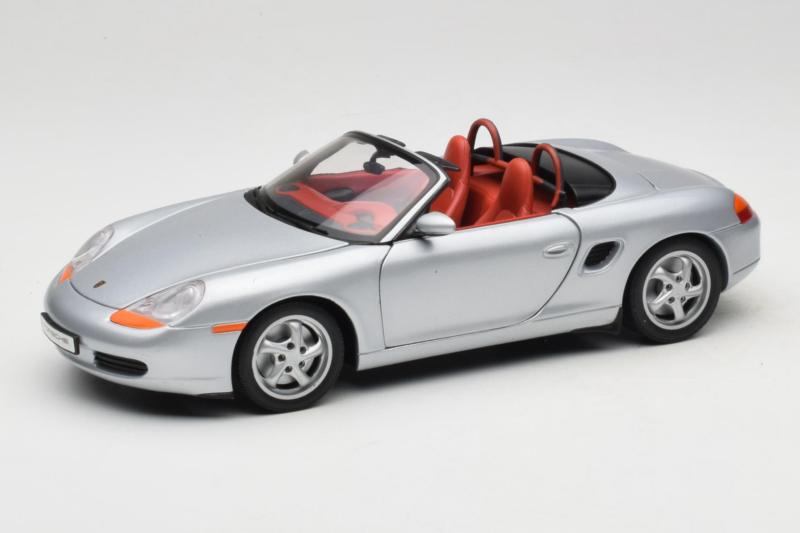
Porsche Boxster S 986 Silver UT Models 1:18
1
/
8
UT Models' 1:18 diecast Porsche Boxster S 986 in Silver reproduces the original mid-engine roadster in one of its most common factory colors. A clean, classic finish that flatters the 986's simple surfacing on any Porsche shelf.
1 / 8
[{"index":0,"id":"1211451","thumb":"https:\/\/models118.com\/wp-content\/uploads\/2026\/06\/porsche-boxster-s-silver-ut-models-1-18-300x200.png","medium":"https:\/\/models118.com\/wp-content\/uploads\/2026\/06\/porsche-boxster-s-silver-ut-models-1-18-800x533.png","full":"https:\/\/models118.com\/wp-content\/uploads\/2026\/06\/porsche-boxster-s-silver-ut-models-1-18.png","srcset":"https:\/\/models118.com\/wp-content\/uploads\/2026\/06\/porsche-boxster-s-silver-ut-models-1-18-800x533.png 800w, https:\/\/models118.com\/wp-content\/uploads\/2026\/06\/porsche-boxster-s-silver-ut-models-1-18-64x43.png 64w, https:\/\/models118.com\/wp-content\/uploads\/2026\/06\/porsche-boxster-s-silver-ut-models-1-18-300x200.png 300w, https:\/\/models118.com\/wp-content\/uploads\/2026\/06\/porsche-boxster-s-silver-ut-models-1-18-480x320.png 480w, https:\/\/models118.com\/wp-content\/uploads\/2026\/06\/porsche-boxster-s-silver-ut-models-1-18.png 1800w","sizes":"(max-width: 1023px) 400px, 640px","srcsetAvif":"https:\/\/models118.com\/wp-content\/uploads\/2026\/06\/porsche-boxster-s-silver-ut-models-1-18-800x533.png.avif 800w, https:\/\/models118.com\/wp-content\/uploads\/2026\/06\/porsche-boxster-s-silver-ut-models-1-18-64x43.png.avif 64w, https:\/\/models118.com\/wp-content\/uploads\/2026\/06\/porsche-boxster-s-silver-ut-models-1-18-300x200.png.avif 300w, https:\/\/models118.com\/wp-content\/uploads\/2026\/06\/porsche-boxster-s-silver-ut-models-1-18-480x320.png.avif 480w, https:\/\/models118.com\/wp-content\/uploads\/2026\/06\/porsche-boxster-s-silver-ut-models-1-18.png.avif 1800w","srcsetWebp":"https:\/\/models118.com\/wp-content\/uploads\/2026\/06\/porsche-boxster-s-silver-ut-models-1-18-800x533.png.webp 800w, https:\/\/models118.com\/wp-content\/uploads\/2026\/06\/porsche-boxster-s-silver-ut-models-1-18-64x43.png.webp 64w, https:\/\/models118.com\/wp-content\/uploads\/2026\/06\/porsche-boxster-s-silver-ut-models-1-18-300x200.png.webp 300w, https:\/\/models118.com\/wp-content\/uploads\/2026\/06\/porsche-boxster-s-silver-ut-models-1-18-480x320.png.webp 480w, https:\/\/models118.com\/wp-content\/uploads\/2026\/06\/porsche-boxster-s-silver-ut-models-1-18.png.webp 1800w","alt":"Porsche Boxster S 986 Silver UT Models 1:18 WAP021007 Diecast"},{"index":1,"id":1211566,"thumb":"https:\/\/models118.com\/wp-content\/uploads\/2026\/06\/porsche-boxster-s-silver-ut-models-1-18-1-300x200.png","medium":"https:\/\/models118.com\/wp-content\/uploads\/2026\/06\/porsche-boxster-s-silver-ut-models-1-18-1-800x533.png","full":"https:\/\/models118.com\/wp-content\/uploads\/2026\/06\/porsche-boxster-s-silver-ut-models-1-18-1.png","srcset":"https:\/\/models118.com\/wp-content\/uploads\/2026\/06\/porsche-boxster-s-silver-ut-models-1-18-1-800x533.png 800w, https:\/\/models118.com\/wp-content\/uploads\/2026\/06\/porsche-boxster-s-silver-ut-models-1-18-1-64x43.png 64w, https:\/\/models118.com\/wp-content\/uploads\/2026\/06\/porsche-boxster-s-silver-ut-models-1-18-1-300x200.png 300w, https:\/\/models118.com\/wp-content\/uploads\/2026\/06\/porsche-boxster-s-silver-ut-models-1-18-1.png 1800w","sizes":"(max-width: 1023px) 400px, 640px","srcsetAvif":"https:\/\/models118.com\/wp-content\/uploads\/2026\/06\/porsche-boxster-s-silver-ut-models-1-18-1-800x533.png.avif 800w, https:\/\/models118.com\/wp-content\/uploads\/2026\/06\/porsche-boxster-s-silver-ut-models-1-18-1-64x43.png.avif 64w, https:\/\/models118.com\/wp-content\/uploads\/2026\/06\/porsche-boxster-s-silver-ut-models-1-18-1-300x200.png.avif 300w, https:\/\/models118.com\/wp-content\/uploads\/2026\/06\/porsche-boxster-s-silver-ut-models-1-18-1.png.avif 1800w","srcsetWebp":"https:\/\/models118.com\/wp-content\/uploads\/2026\/06\/porsche-boxster-s-silver-ut-models-1-18-1-800x533.png.webp 800w, https:\/\/models118.com\/wp-content\/uploads\/2026\/06\/porsche-boxster-s-silver-ut-models-1-18-1-64x43.png.webp 64w, https:\/\/models118.com\/wp-content\/uploads\/2026\/06\/porsche-boxster-s-silver-ut-models-1-18-1-300x200.png.webp 300w, https:\/\/models118.com\/wp-content\/uploads\/2026\/06\/porsche-boxster-s-silver-ut-models-1-18-1.png.webp 1800w","alt":"Porsche Boxster S 986 Silver UT Models 1:18 WAP021007 Diecast - image 2 of 8"},{"index":2,"id":1211753,"thumb":"https:\/\/models118.com\/wp-content\/uploads\/2026\/06\/porsche-boxster-s-silver-ut-models-1-18-2-300x200.png","medium":"https:\/\/models118.com\/wp-content\/uploads\/2026\/06\/porsche-boxster-s-silver-ut-models-1-18-2-800x533.png","full":"https:\/\/models118.com\/wp-content\/uploads\/2026\/06\/porsche-boxster-s-silver-ut-models-1-18-2.png","srcset":"https:\/\/models118.com\/wp-content\/uploads\/2026\/06\/porsche-boxster-s-silver-ut-models-1-18-2-800x533.png 800w, https:\/\/models118.com\/wp-content\/uploads\/2026\/06\/porsche-boxster-s-silver-ut-models-1-18-2-64x43.png 64w, https:\/\/models118.com\/wp-content\/uploads\/2026\/06\/porsche-boxster-s-silver-ut-models-1-18-2-300x200.png 300w, https:\/\/models118.com\/wp-content\/uploads\/2026\/06\/porsche-boxster-s-silver-ut-models-1-18-2.png 1800w","sizes":"(max-width: 1023px) 400px, 640px","srcsetAvif":"https:\/\/models118.com\/wp-content\/uploads\/2026\/06\/porsche-boxster-s-silver-ut-models-1-18-2-800x533.png.avif 800w, https:\/\/models118.com\/wp-content\/uploads\/2026\/06\/porsche-boxster-s-silver-ut-models-1-18-2-64x43.png.avif 64w, https:\/\/models118.com\/wp-content\/uploads\/2026\/06\/porsche-boxster-s-silver-ut-models-1-18-2-300x200.png.avif 300w, https:\/\/models118.com\/wp-content\/uploads\/2026\/06\/porsche-boxster-s-silver-ut-models-1-18-2.png.avif 1800w","srcsetWebp":"https:\/\/models118.com\/wp-content\/uploads\/2026\/06\/porsche-boxster-s-silver-ut-models-1-18-2-800x533.png.webp 800w, https:\/\/models118.com\/wp-content\/uploads\/2026\/06\/porsche-boxster-s-silver-ut-models-1-18-2-64x43.png.webp 64w, https:\/\/models118.com\/wp-content\/uploads\/2026\/06\/porsche-boxster-s-silver-ut-models-1-18-2-300x200.png.webp 300w, https:\/\/models118.com\/wp-content\/uploads\/2026\/06\/porsche-boxster-s-silver-ut-models-1-18-2.png.webp 1800w","alt":"Porsche Boxster S 986 Silver UT Models 1:18 WAP021007 Diecast - image 3 of 8"},{"index":3,"id":1211923,"thumb":"https:\/\/models118.com\/wp-content\/uploads\/2026\/06\/porsche-boxster-s-silver-ut-models-1-18-3-300x200.png","medium":"https:\/\/models118.com\/wp-content\/uploads\/2026\/06\/porsche-boxster-s-silver-ut-models-1-18-3-800x533.png","full":"https:\/\/models118.com\/wp-content\/uploads\/2026\/06\/porsche-boxster-s-silver-ut-models-1-18-3.png","srcset":"https:\/\/models118.com\/wp-content\/uploads\/2026\/06\/porsche-boxster-s-silver-ut-models-1-18-3-800x533.png 800w, https:\/\/models118.com\/wp-content\/uploads\/2026\/06\/porsche-boxster-s-silver-ut-models-1-18-3-64x43.png 64w, https:\/\/models118.com\/wp-content\/uploads\/2026\/06\/porsche-boxster-s-silver-ut-models-1-18-3-300x200.png 300w, https:\/\/models118.com\/wp-content\/uploads\/2026\/06\/porsche-boxster-s-silver-ut-models-1-18-3.png 1800w","sizes":"(max-width: 1023px) 400px, 640px","srcsetAvif":"https:\/\/models118.com\/wp-content\/uploads\/2026\/06\/porsche-boxster-s-silver-ut-models-1-18-3-800x533.png.avif 800w, https:\/\/models118.com\/wp-content\/uploads\/2026\/06\/porsche-boxster-s-silver-ut-models-1-18-3-64x43.png.avif 64w, https:\/\/models118.com\/wp-content\/uploads\/2026\/06\/porsche-boxster-s-silver-ut-models-1-18-3-300x200.png.avif 300w, https:\/\/models118.com\/wp-content\/uploads\/2026\/06\/porsche-boxster-s-silver-ut-models-1-18-3.png.avif 1800w","srcsetWebp":"https:\/\/models118.com\/wp-content\/uploads\/2026\/06\/porsche-boxster-s-silver-ut-models-1-18-3-800x533.png.webp 800w, https:\/\/models118.com\/wp-content\/uploads\/2026\/06\/porsche-boxster-s-silver-ut-models-1-18-3-64x43.png.webp 64w, https:\/\/models118.com\/wp-content\/uploads\/2026\/06\/porsche-boxster-s-silver-ut-models-1-18-3-300x200.png.webp 300w, https:\/\/models118.com\/wp-content\/uploads\/2026\/06\/porsche-boxster-s-silver-ut-models-1-18-3.png.webp 1800w","alt":"Porsche Boxster S 986 Silver UT Models 1:18 WAP021007 Diecast - image 4 of 8"},{"index":4,"id":1212042,"thumb":"https:\/\/models118.com\/wp-content\/uploads\/2026\/06\/porsche-boxster-s-silver-ut-models-1-18-4-300x200.png","medium":"https:\/\/models118.com\/wp-content\/uploads\/2026\/06\/porsche-boxster-s-silver-ut-models-1-18-4-800x533.png","full":"https:\/\/models118.com\/wp-content\/uploads\/2026\/06\/porsche-boxster-s-silver-ut-models-1-18-4.png","srcset":"https:\/\/models118.com\/wp-content\/uploads\/2026\/06\/porsche-boxster-s-silver-ut-models-1-18-4-800x533.png 800w, https:\/\/models118.com\/wp-content\/uploads\/2026\/06\/porsche-boxster-s-silver-ut-models-1-18-4-64x43.png 64w, https:\/\/models118.com\/wp-content\/uploads\/2026\/06\/porsche-boxster-s-silver-ut-models-1-18-4-300x200.png 300w, https:\/\/models118.com\/wp-content\/uploads\/2026\/06\/porsche-boxster-s-silver-ut-models-1-18-4.png 1800w","sizes":"(max-width: 1023px) 400px, 640px","srcsetAvif":"https:\/\/models118.com\/wp-content\/uploads\/2026\/06\/porsche-boxster-s-silver-ut-models-1-18-4-800x533.png.avif 800w, https:\/\/models118.com\/wp-content\/uploads\/2026\/06\/porsche-boxster-s-silver-ut-models-1-18-4-64x43.png.avif 64w, https:\/\/models118.com\/wp-content\/uploads\/2026\/06\/porsche-boxster-s-silver-ut-models-1-18-4-300x200.png.avif 300w, https:\/\/models118.com\/wp-content\/uploads\/2026\/06\/porsche-boxster-s-silver-ut-models-1-18-4.png.avif 1800w","srcsetWebp":"https:\/\/models118.com\/wp-content\/uploads\/2026\/06\/porsche-boxster-s-silver-ut-models-1-18-4-800x533.png.webp 800w, https:\/\/models118.com\/wp-content\/uploads\/2026\/06\/porsche-boxster-s-silver-ut-models-1-18-4-64x43.png.webp 64w, https:\/\/models118.com\/wp-content\/uploads\/2026\/06\/porsche-boxster-s-silver-ut-models-1-18-4-300x200.png.webp 300w, https:\/\/models118.com\/wp-content\/uploads\/2026\/06\/porsche-boxster-s-silver-ut-models-1-18-4.png.webp 1800w","alt":"Porsche Boxster S 986 Silver UT Models 1:18 WAP021007 Diecast - image 5 of 8"},{"index":5,"id":1212196,"thumb":"https:\/\/models118.com\/wp-content\/uploads\/2026\/06\/porsche-boxster-s-silver-ut-models-1-18-5-300x200.png","medium":"https:\/\/models118.com\/wp-content\/uploads\/2026\/06\/porsche-boxster-s-silver-ut-models-1-18-5-800x533.png","full":"https:\/\/models118.com\/wp-content\/uploads\/2026\/06\/porsche-boxster-s-silver-ut-models-1-18-5.png","srcset":"https:\/\/models118.com\/wp-content\/uploads\/2026\/06\/porsche-boxster-s-silver-ut-models-1-18-5-800x533.png 800w, https:\/\/models118.com\/wp-content\/uploads\/2026\/06\/porsche-boxster-s-silver-ut-models-1-18-5-64x43.png 64w, https:\/\/models118.com\/wp-content\/uploads\/2026\/06\/porsche-boxster-s-silver-ut-models-1-18-5-300x200.png 300w, https:\/\/models118.com\/wp-content\/uploads\/2026\/06\/porsche-boxster-s-silver-ut-models-1-18-5.png 1800w","sizes":"(max-width: 1023px) 400px, 640px","srcsetAvif":"https:\/\/models118.com\/wp-content\/uploads\/2026\/06\/porsche-boxster-s-silver-ut-models-1-18-5-800x533.png.avif 800w, https:\/\/models118.com\/wp-content\/uploads\/2026\/06\/porsche-boxster-s-silver-ut-models-1-18-5-64x43.png.avif 64w, https:\/\/models118.com\/wp-content\/uploads\/2026\/06\/porsche-boxster-s-silver-ut-models-1-18-5-300x200.png.avif 300w, https:\/\/models118.com\/wp-content\/uploads\/2026\/06\/porsche-boxster-s-silver-ut-models-1-18-5.png.avif 1800w","srcsetWebp":"https:\/\/models118.com\/wp-content\/uploads\/2026\/06\/porsche-boxster-s-silver-ut-models-1-18-5-800x533.png.webp 800w, https:\/\/models118.com\/wp-content\/uploads\/2026\/06\/porsche-boxster-s-silver-ut-models-1-18-5-64x43.png.webp 64w, https:\/\/models118.com\/wp-content\/uploads\/2026\/06\/porsche-boxster-s-silver-ut-models-1-18-5-300x200.png.webp 300w, https:\/\/models118.com\/wp-content\/uploads\/2026\/06\/porsche-boxster-s-silver-ut-models-1-18-5.png.webp 1800w","alt":"Porsche Boxster S 986 Silver UT Models 1:18 WAP021007 Diecast - image 6 of 8"},{"index":6,"id":1212365,"thumb":"https:\/\/models118.com\/wp-content\/uploads\/2026\/06\/porsche-boxster-s-silver-ut-models-1-18-6-300x200.png","medium":"https:\/\/models118.com\/wp-content\/uploads\/2026\/06\/porsche-boxster-s-silver-ut-models-1-18-6-800x533.png","full":"https:\/\/models118.com\/wp-content\/uploads\/2026\/06\/porsche-boxster-s-silver-ut-models-1-18-6.png","srcset":"https:\/\/models118.com\/wp-content\/uploads\/2026\/06\/porsche-boxster-s-silver-ut-models-1-18-6-800x533.png 800w, https:\/\/models118.com\/wp-content\/uploads\/2026\/06\/porsche-boxster-s-silver-ut-models-1-18-6-64x43.png 64w, https:\/\/models118.com\/wp-content\/uploads\/2026\/06\/porsche-boxster-s-silver-ut-models-1-18-6-300x200.png 300w, https:\/\/models118.com\/wp-content\/uploads\/2026\/06\/porsche-boxster-s-silver-ut-models-1-18-6.png 1800w","sizes":"(max-width: 1023px) 400px, 640px","srcsetAvif":"https:\/\/models118.com\/wp-content\/uploads\/2026\/06\/porsche-boxster-s-silver-ut-models-1-18-6-800x533.png.avif 800w, https:\/\/models118.com\/wp-content\/uploads\/2026\/06\/porsche-boxster-s-silver-ut-models-1-18-6-64x43.png.avif 64w, https:\/\/models118.com\/wp-content\/uploads\/2026\/06\/porsche-boxster-s-silver-ut-models-1-18-6-300x200.png.avif 300w, https:\/\/models118.com\/wp-content\/uploads\/2026\/06\/porsche-boxster-s-silver-ut-models-1-18-6.png.avif 1800w","srcsetWebp":"https:\/\/models118.com\/wp-content\/uploads\/2026\/06\/porsche-boxster-s-silver-ut-models-1-18-6-800x533.png.webp 800w, https:\/\/models118.com\/wp-content\/uploads\/2026\/06\/porsche-boxster-s-silver-ut-models-1-18-6-64x43.png.webp 64w, https:\/\/models118.com\/wp-content\/uploads\/2026\/06\/porsche-boxster-s-silver-ut-models-1-18-6-300x200.png.webp 300w, https:\/\/models118.com\/wp-content\/uploads\/2026\/06\/porsche-boxster-s-silver-ut-models-1-18-6.png.webp 1800w","alt":"Porsche Boxster S 986 Silver UT Models 1:18 WAP021007 Diecast - image 7 of 8"},{"index":7,"id":1212552,"thumb":"https:\/\/models118.com\/wp-content\/uploads\/2026\/06\/porsche-boxster-s-silver-ut-models-1-18-7-300x200.png","medium":"https:\/\/models118.com\/wp-content\/uploads\/2026\/06\/porsche-boxster-s-silver-ut-models-1-18-7-800x533.png","full":"https:\/\/models118.com\/wp-content\/uploads\/2026\/06\/porsche-boxster-s-silver-ut-models-1-18-7.png","srcset":"https:\/\/models118.com\/wp-content\/uploads\/2026\/06\/porsche-boxster-s-silver-ut-models-1-18-7-800x533.png 800w, https:\/\/models118.com\/wp-content\/uploads\/2026\/06\/porsche-boxster-s-silver-ut-models-1-18-7-64x43.png 64w, https:\/\/models118.com\/wp-content\/uploads\/2026\/06\/porsche-boxster-s-silver-ut-models-1-18-7-300x200.png 300w, https:\/\/models118.com\/wp-content\/uploads\/2026\/06\/porsche-boxster-s-silver-ut-models-1-18-7.png 1800w","sizes":"(max-width: 1023px) 400px, 640px","srcsetAvif":"https:\/\/models118.com\/wp-content\/uploads\/2026\/06\/porsche-boxster-s-silver-ut-models-1-18-7-800x533.png.avif 800w, https:\/\/models118.com\/wp-content\/uploads\/2026\/06\/porsche-boxster-s-silver-ut-models-1-18-7-64x43.png.avif 64w, https:\/\/models118.com\/wp-content\/uploads\/2026\/06\/porsche-boxster-s-silver-ut-models-1-18-7-300x200.png.avif 300w, https:\/\/models118.com\/wp-content\/uploads\/2026\/06\/porsche-boxster-s-silver-ut-models-1-18-7.png.avif 1800w","srcsetWebp":"https:\/\/models118.com\/wp-content\/uploads\/2026\/06\/porsche-boxster-s-silver-ut-models-1-18-7-800x533.png.webp 800w, https:\/\/models118.com\/wp-content\/uploads\/2026\/06\/porsche-boxster-s-silver-ut-models-1-18-7-64x43.png.webp 64w, https:\/\/models118.com\/wp-content\/uploads\/2026\/06\/porsche-boxster-s-silver-ut-models-1-18-7-300x200.png.webp 300w, https:\/\/models118.com\/wp-content\/uploads\/2026\/06\/porsche-boxster-s-silver-ut-models-1-18-7.png.webp 1800w","alt":"Porsche Boxster S 986 Silver UT Models 1:18 WAP021007 Diecast - image 8 of 8"}]
Porsche Boxster S 986 Silver UT Models 1:18
Current price:
142.00 €
Only 3 units left
Estimated delivery: 27-30.10.2026
Shipping rates by country
5% discount on your first order — create a free account
Shipping to 79 countries
Worldwide delivery
Prices incl. 23% VAT
No hidden costs
Shipping rates by country
Tracked & insured
Pay in EUR €
Local currency
Specifications
- Brand
- Porsche
- Manufacturer
- UT Models
- Scale
- 1:18
- Material
- Diecast
- Model Condition
- Used Model
- SKU
- WAP021007
- Year
- 1999
- Era
- 1990s
- Body Type
- Open-Top
- Vehicle Class
- Premium Sports
- Openable Parts
- Yes
- Packaging Condition
- Traces of Storage
- Model Type
- Street Models
- EAN / GTIN
- —
100% authentic
5-layer carton
Foam-filled interior
Easy returns
14 days, no questions asked
Secure payment
256-bit SSL encryption
About the Porsche Boxster S 986 Silver UT Models 1:18
TL;DR: UT Models' 1:18 diecast Porsche Boxster S 986 wears Silver, one of the era's most common factory shades for the original roadster. This early UT Models build captures the 986's clean surfacing without the added contrast a darker paint would introduce.
Silver was the default choice for a lot of original owners back in 1999, and there is a good reason this understated color still suits the 986 Boxster better than most alternatives.
Silver and the 986's Clean-Surface Design
The original Boxster's designers worked with simple, flowing surfaces rather than sharp creases, a design language that reads differently depending on paint choice. Silver was one of the most frequently ordered colors on the real car through the late 1990s, favored by buyers who wanted the Boxster's shape to speak for itself rather than compete with a bold color. On this model, that same restraint lets the roadster's curves catch and release light smoothly across the hood, doors, and rear deck, showing off surfacing quality that a busier finish would partially obscure. It is a color choice that rewards patience over drama, which fits the original Boxster's own understated engineering ethos rather well.
Comparing Early UT Models Builds Across Colors
Set beside a darker colorway like Night Blue, this silver example makes panel lines and character creases easier to spot at a glance, since lighter paint generally reveals surface detail more readily than dark paint under typical indoor lighting. Both come from the same early period of UT Models' production, before that lineage evolved into AUTOart, so the underlying tooling and proportions match closely between colorways; the difference is purely how each finish presents the same shape. Collectors who already own a darker 986 might find real value in adding this silver example specifically to study that contrast side by side rather than duplicating the same visual impression twice.
Paired with another colorway, this Boxster becomes less a single purchase and more a small study in how paint choice changes the way a shape reads on a shelf.
From the same collection
Last one
Used
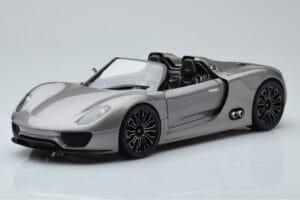
Last one
Back in stock
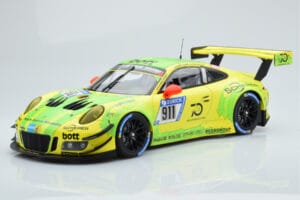
Porsche 911 GT3 R Manthey Racing #911 F. Scherer / K. Estre / R. Dumas / L. Vanthoor / E. Bamber 24 Hours of Nurburgring 2018 Minichamps 1:18
Only 1 left
Price:
137.00 €
Last one
Back in stock
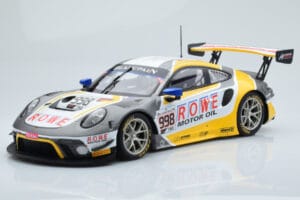
Porsche 911 GT3 R Rowe Racing #998 F. Makowiecki / A. Pilet / N. Tandy 2nd Place 24 Hours of Spa-Francorchamps 2019 Minichamps 1:18
Only 1 left
Price:
108.00 €
Last one
Used
Back in stock
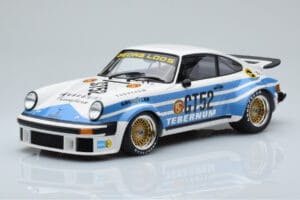
Porsche 911 934 Tebernum Racing Team #52 T. Schenken Nurburgring 300km 1976 Minichamps 1:18
Only 1 left
Price:
147.00 €
Last one
Used
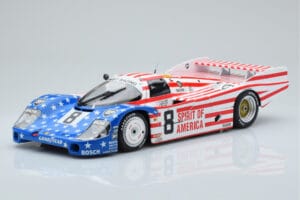
Porsche 956L Spirit of America #8 G. Follmer / J. Morton / K. Miller 24 Hours of Le Mans 1986 Minichamps 1:18
Only 1 left
Price:
119.00 €
Collectors also bought
Browse all 1:18
Last one

Last one

Last one
Last one
Used


BMW Z3 E36/7 Cabriolet Red UT Models 1:18
Price:
114.00 €
Used
Used

Recently viewed

{"id":1212676,"name":"Porsche Boxster S 986 Silver UT Models 1:18","price":"142.00 €<\/span><\/bdi><\/span>","image":"https:\/\/models118.com\/wp-content\/uploads\/2026\/06\/porsche-boxster-s-silver-ut-models-1-18-400x400.png","permalink":"https:\/\/models118.com\/porsche-boxster-s-986-silver-ut-models-1-18-wap021007\/","brand":"Porsche"}