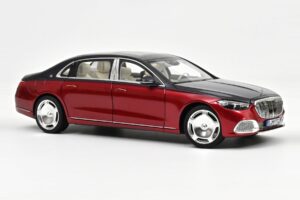
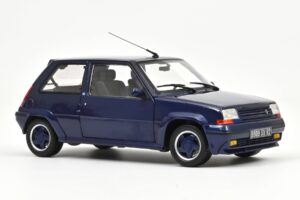
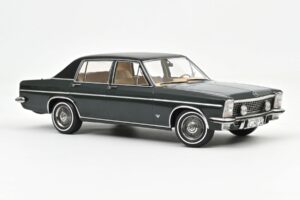
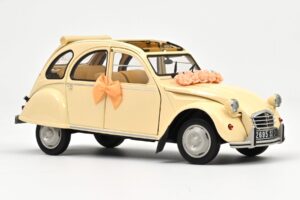
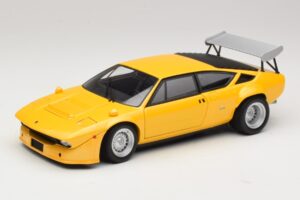
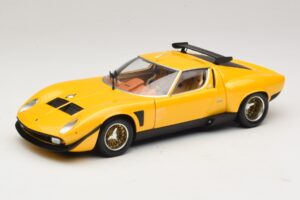
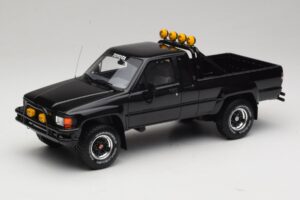
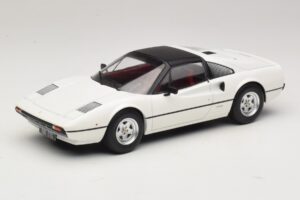
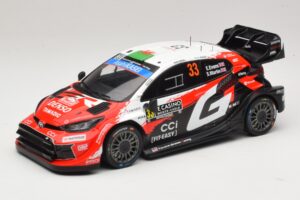
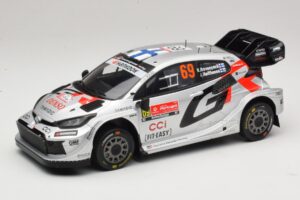
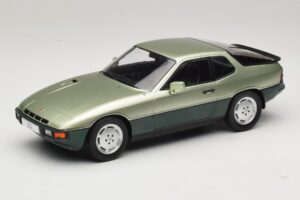
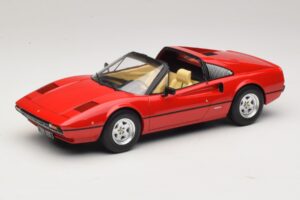
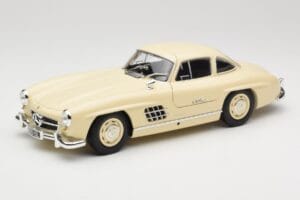
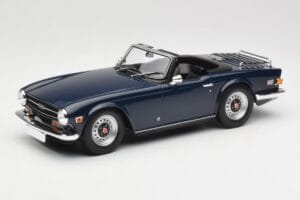
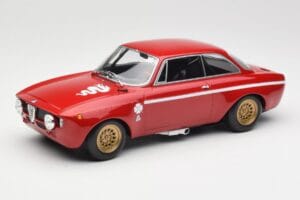
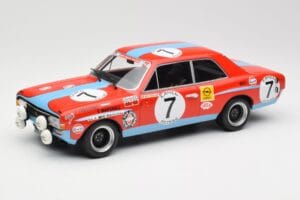
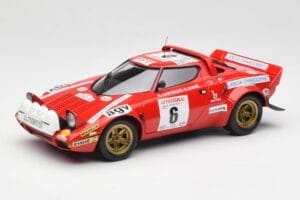
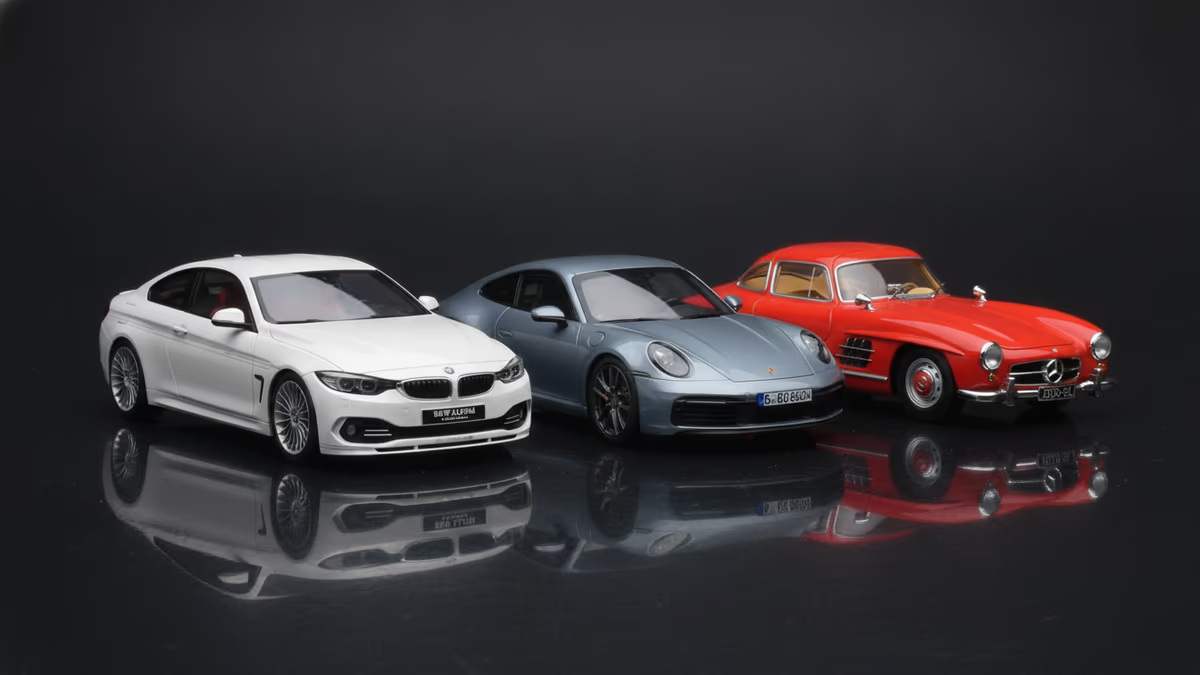
TL;DR: Body type browsing groups scale models by shape rather than brand or era, covering coupes, estates, off-road 4x4s, formula racers, hatchbacks, and GT cars. Each body type carries its own display footprint, construction tendencies, and collecting logic worth understanding before building a themed shelf.
Body type is an underused browsing angle in scale model collecting, yet it often reveals a collection more clearly than brand alone. A shelf of coupes reads differently than one built around a marque, and this hub exists to make that comparison easy.
Why Body Type Matters for Building a Display
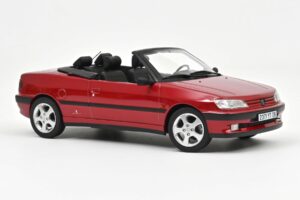
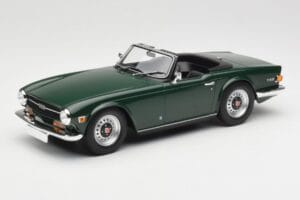
Silhouette shapes how a model sits and reads on a shelf independent of badge or era. A coupe's low, sleek roofline photographs and displays differently than a boxy off-road 4x4, and grouping by shape lets a collector build visual rhythm across a display in a way that mixing badges randomly rarely achieves. This is also where cross-brand comparison happens naturally: a collector interested purely in convertible proportions, for instance, can compare how different marques solve the same basic design problem.
The Body Type Categories and What They Offer
Each body type carries its own collecting logic within this catalogue:
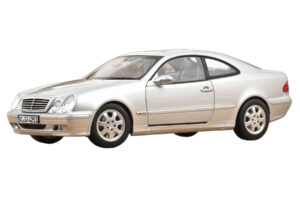
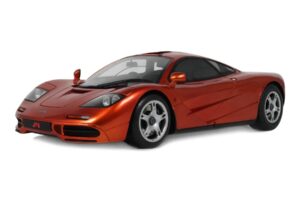
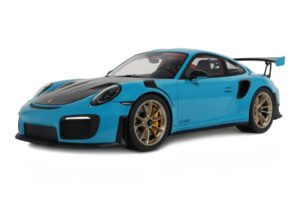
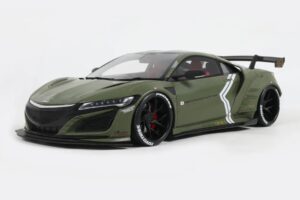
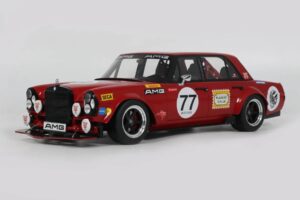
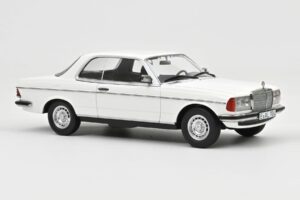
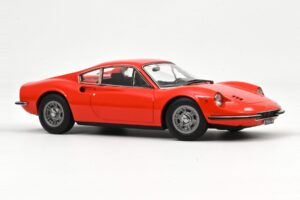
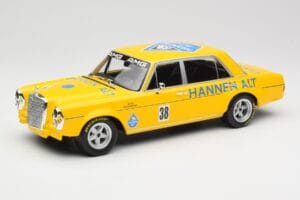
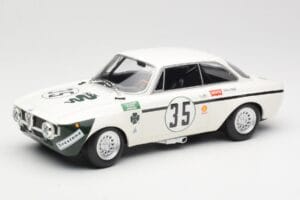
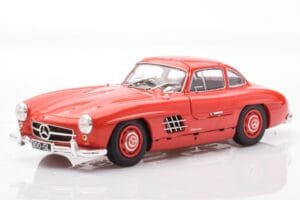
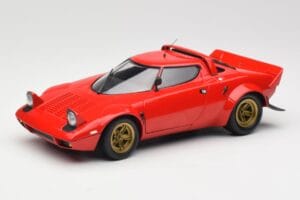
- Coupes emphasize sleek rooflines and sporting proportions across marques and eras.
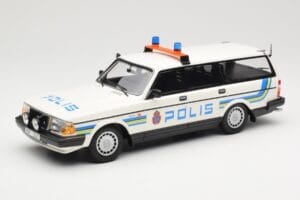
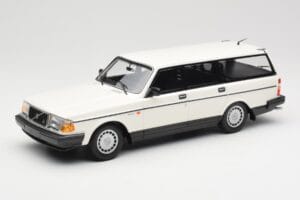
- Estates and wagons balance performance and practicality, often overlooked but genuinely distinct.
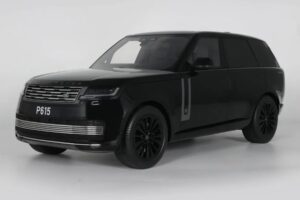
- 4x4 and off-road vehicles bring raised stances and exposed mechanical detail to a display.
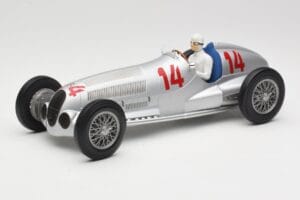
- Formula and open-wheel models document single-seater racing across categories and eras.
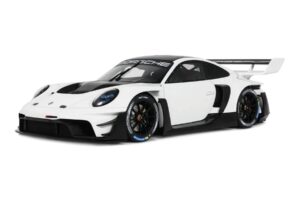
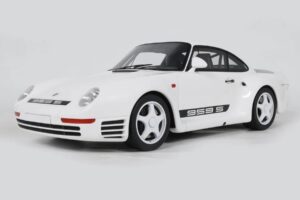
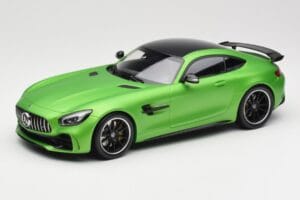
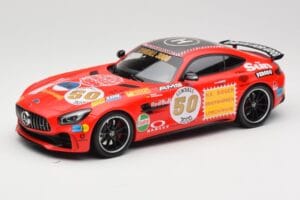
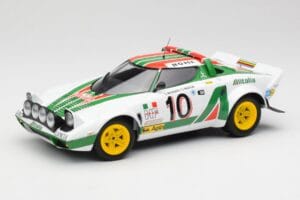
- GT models capture endurance and touring-focused sports car silhouettes.
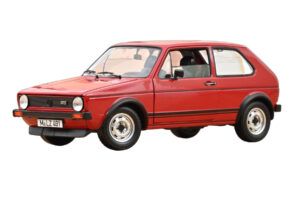
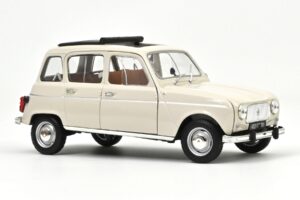
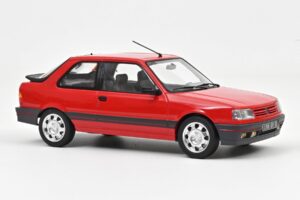
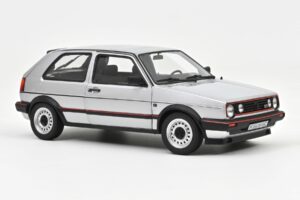
- Hatchbacks cover everything from hot hatch performance to everyday urban runabouts.
Construction and scale vary within each body type rather than following a fixed pattern, so material and price tier still need evaluating model by model.
Combining Body Type With Other Browsing Approaches
Body type rarely works alone as a sole organizing principle; most collectors pair it with a brand, era, or motorsport theme. A collector building a coupe-focused shelf might still narrow further by marque or decade, using body type as the first filter and a second theme as the finishing touch. This layered approach tends to produce more coherent, intentional displays than any single filter applied alone.
Frequently Asked Questions
Why browse scale models by body type instead of brand?
Body type reveals how silhouette and proportion vary across marques, letting collectors compare design solutions to the same basic shape. It also helps build visually coherent displays, since consistent body shapes tend to read better together on a shelf than mixed silhouettes.
Which body type suits a motorsport-focused collector?
Formula and open-wheel models suit single-seater racing enthusiasts, while GT models suit those drawn to endurance and touring-focused sports car racing. Both offer deep motorsport history within a specific silhouette.
Are off-road models displayed differently than coupes?
Yes. Off-road vehicles have raised stances and exposed mechanical detail that benefit from more display depth, while coupes' lower, sleeker profiles suit tighter shelf spacing and read well in denser arrangements.
Should body type be the only organizing theme for a collection?
Most collectors pair body type with a second filter, such as brand or era, to add focus. Using body type as a first-pass filter and a theme as the finishing touch tends to produce a more coherent, intentional display.