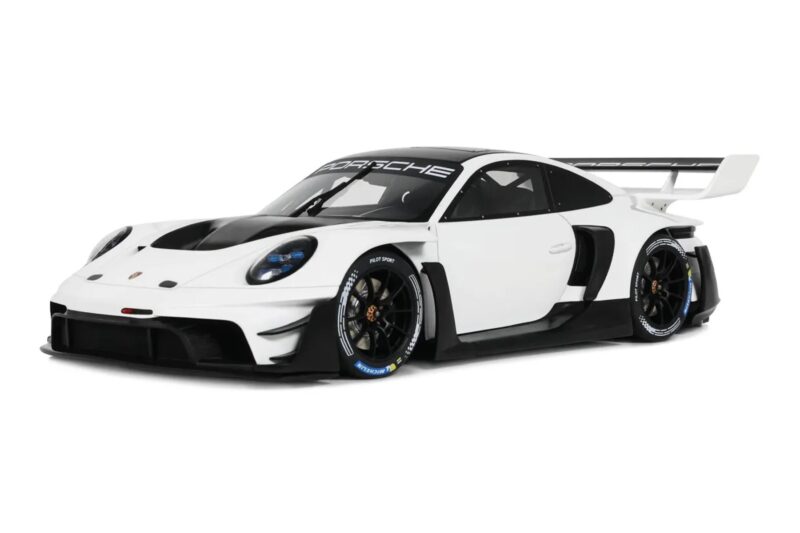
Porsche 911 992.1 GT3 R Rennsport White GT Spirit 1:18
New arrival
1
/
5
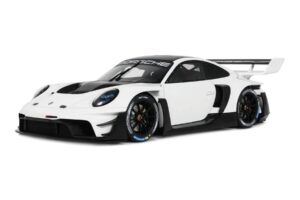
GT Spirit's 1:18 resin Porsche 911 992.1 GT3 R in Rennsport White brings the current customer GT3 racer to the shelf as a sealed, one-piece casting. No panels open, so the wide fenders, front splitter and rear wing carry the detail and the white paint shows every contour. At roughly 25 centimeters long, it suits a modern Porsche motorsport display.
1 / 5
[{"index":0,"id":"1696580","thumb":"https:\/\/models118.com\/wp-content\/uploads\/2026\/10\/porsche-911-992-1-gt3-r-rennsport-white-gt-spirit-1-18-gt1010-1-1-300x200.jpg","medium":"https:\/\/models118.com\/wp-content\/uploads\/2026\/10\/porsche-911-992-1-gt3-r-rennsport-white-gt-spirit-1-18-gt1010-1-1-800x533.jpg","full":"https:\/\/models118.com\/wp-content\/uploads\/2026\/10\/porsche-911-992-1-gt3-r-rennsport-white-gt-spirit-1-18-gt1010-1-1.jpg","srcset":"https:\/\/models118.com\/wp-content\/uploads\/2026\/10\/porsche-911-992-1-gt3-r-rennsport-white-gt-spirit-1-18-gt1010-1-1-800x533.jpg 800w, https:\/\/models118.com\/wp-content\/uploads\/2026\/10\/porsche-911-992-1-gt3-r-rennsport-white-gt-spirit-1-18-gt1010-1-1-300x200.jpg 300w, https:\/\/models118.com\/wp-content\/uploads\/2026\/10\/porsche-911-992-1-gt3-r-rennsport-white-gt-spirit-1-18-gt1010-1-1-480x320.jpg 480w, https:\/\/models118.com\/wp-content\/uploads\/2026\/10\/porsche-911-992-1-gt3-r-rennsport-white-gt-spirit-1-18-gt1010-1-1-64x43.jpg 64w, https:\/\/models118.com\/wp-content\/uploads\/2026\/10\/porsche-911-992-1-gt3-r-rennsport-white-gt-spirit-1-18-gt1010-1-1.jpg 1800w","sizes":"(max-width: 1023px) 400px, 640px","srcsetAvif":"https:\/\/models118.com\/wp-content\/uploads\/2026\/10\/porsche-911-992-1-gt3-r-rennsport-white-gt-spirit-1-18-gt1010-1-1-800x533.jpg.avif 800w, https:\/\/models118.com\/wp-content\/uploads\/2026\/10\/porsche-911-992-1-gt3-r-rennsport-white-gt-spirit-1-18-gt1010-1-1-300x200.jpg.avif 300w, https:\/\/models118.com\/wp-content\/uploads\/2026\/10\/porsche-911-992-1-gt3-r-rennsport-white-gt-spirit-1-18-gt1010-1-1-480x320.jpg.avif 480w, https:\/\/models118.com\/wp-content\/uploads\/2026\/10\/porsche-911-992-1-gt3-r-rennsport-white-gt-spirit-1-18-gt1010-1-1-64x43.jpg.avif 64w, https:\/\/models118.com\/wp-content\/uploads\/2026\/10\/porsche-911-992-1-gt3-r-rennsport-white-gt-spirit-1-18-gt1010-1-1.jpg.avif 1800w","srcsetWebp":"https:\/\/models118.com\/wp-content\/uploads\/2026\/10\/porsche-911-992-1-gt3-r-rennsport-white-gt-spirit-1-18-gt1010-1-1-800x533.jpg.webp 800w, https:\/\/models118.com\/wp-content\/uploads\/2026\/10\/porsche-911-992-1-gt3-r-rennsport-white-gt-spirit-1-18-gt1010-1-1-300x200.jpg.webp 300w, https:\/\/models118.com\/wp-content\/uploads\/2026\/10\/porsche-911-992-1-gt3-r-rennsport-white-gt-spirit-1-18-gt1010-1-1-480x320.jpg.webp 480w, https:\/\/models118.com\/wp-content\/uploads\/2026\/10\/porsche-911-992-1-gt3-r-rennsport-white-gt-spirit-1-18-gt1010-1-1-64x43.jpg.webp 64w, https:\/\/models118.com\/wp-content\/uploads\/2026\/10\/porsche-911-992-1-gt3-r-rennsport-white-gt-spirit-1-18-gt1010-1-1.jpg.webp 1800w","alt":"Porsche 911 992.1 GT3 R Rennsport White GT Spirit 1:18 GT1010 Resin"},{"index":1,"id":1696581,"thumb":"https:\/\/models118.com\/wp-content\/uploads\/2026\/10\/porsche-911-992-1-gt3-r-rennsport-white-gt-spirit-1-18-gt1010-1-300x200.jpg","medium":"https:\/\/models118.com\/wp-content\/uploads\/2026\/10\/porsche-911-992-1-gt3-r-rennsport-white-gt-spirit-1-18-gt1010-1-800x533.jpg","full":"https:\/\/models118.com\/wp-content\/uploads\/2026\/10\/porsche-911-992-1-gt3-r-rennsport-white-gt-spirit-1-18-gt1010-1.jpg","srcset":"https:\/\/models118.com\/wp-content\/uploads\/2026\/10\/porsche-911-992-1-gt3-r-rennsport-white-gt-spirit-1-18-gt1010-1-800x533.jpg 800w, https:\/\/models118.com\/wp-content\/uploads\/2026\/10\/porsche-911-992-1-gt3-r-rennsport-white-gt-spirit-1-18-gt1010-1-300x200.jpg 300w, https:\/\/models118.com\/wp-content\/uploads\/2026\/10\/porsche-911-992-1-gt3-r-rennsport-white-gt-spirit-1-18-gt1010-1-480x320.jpg 480w, https:\/\/models118.com\/wp-content\/uploads\/2026\/10\/porsche-911-992-1-gt3-r-rennsport-white-gt-spirit-1-18-gt1010-1-64x43.jpg 64w, https:\/\/models118.com\/wp-content\/uploads\/2026\/10\/porsche-911-992-1-gt3-r-rennsport-white-gt-spirit-1-18-gt1010-1.jpg 1800w","sizes":"(max-width: 1023px) 400px, 640px","srcsetAvif":"https:\/\/models118.com\/wp-content\/uploads\/2026\/10\/porsche-911-992-1-gt3-r-rennsport-white-gt-spirit-1-18-gt1010-1-800x533.jpg.avif 800w, https:\/\/models118.com\/wp-content\/uploads\/2026\/10\/porsche-911-992-1-gt3-r-rennsport-white-gt-spirit-1-18-gt1010-1-300x200.jpg.avif 300w, https:\/\/models118.com\/wp-content\/uploads\/2026\/10\/porsche-911-992-1-gt3-r-rennsport-white-gt-spirit-1-18-gt1010-1-480x320.jpg.avif 480w, https:\/\/models118.com\/wp-content\/uploads\/2026\/10\/porsche-911-992-1-gt3-r-rennsport-white-gt-spirit-1-18-gt1010-1-64x43.jpg.avif 64w, https:\/\/models118.com\/wp-content\/uploads\/2026\/10\/porsche-911-992-1-gt3-r-rennsport-white-gt-spirit-1-18-gt1010-1.jpg.avif 1800w","srcsetWebp":"https:\/\/models118.com\/wp-content\/uploads\/2026\/10\/porsche-911-992-1-gt3-r-rennsport-white-gt-spirit-1-18-gt1010-1-800x533.jpg.webp 800w, https:\/\/models118.com\/wp-content\/uploads\/2026\/10\/porsche-911-992-1-gt3-r-rennsport-white-gt-spirit-1-18-gt1010-1-300x200.jpg.webp 300w, https:\/\/models118.com\/wp-content\/uploads\/2026\/10\/porsche-911-992-1-gt3-r-rennsport-white-gt-spirit-1-18-gt1010-1-480x320.jpg.webp 480w, https:\/\/models118.com\/wp-content\/uploads\/2026\/10\/porsche-911-992-1-gt3-r-rennsport-white-gt-spirit-1-18-gt1010-1-64x43.jpg.webp 64w, https:\/\/models118.com\/wp-content\/uploads\/2026\/10\/porsche-911-992-1-gt3-r-rennsport-white-gt-spirit-1-18-gt1010-1.jpg.webp 1800w","alt":"Porsche 911 992.1 GT3 R Rennsport White GT Spirit 1:18 GT1010 Resin - image 2 of 5"},{"index":2,"id":1696582,"thumb":"https:\/\/models118.com\/wp-content\/uploads\/2026\/10\/porsche-911-992-1-gt3-r-rennsport-white-gt-spirit-1-18-gt1010-2-300x200.jpg","medium":"https:\/\/models118.com\/wp-content\/uploads\/2026\/10\/porsche-911-992-1-gt3-r-rennsport-white-gt-spirit-1-18-gt1010-2-800x533.jpg","full":"https:\/\/models118.com\/wp-content\/uploads\/2026\/10\/porsche-911-992-1-gt3-r-rennsport-white-gt-spirit-1-18-gt1010-2.jpg","srcset":"https:\/\/models118.com\/wp-content\/uploads\/2026\/10\/porsche-911-992-1-gt3-r-rennsport-white-gt-spirit-1-18-gt1010-2-800x533.jpg 800w, https:\/\/models118.com\/wp-content\/uploads\/2026\/10\/porsche-911-992-1-gt3-r-rennsport-white-gt-spirit-1-18-gt1010-2-300x200.jpg 300w, https:\/\/models118.com\/wp-content\/uploads\/2026\/10\/porsche-911-992-1-gt3-r-rennsport-white-gt-spirit-1-18-gt1010-2-480x320.jpg 480w, https:\/\/models118.com\/wp-content\/uploads\/2026\/10\/porsche-911-992-1-gt3-r-rennsport-white-gt-spirit-1-18-gt1010-2-64x43.jpg 64w, https:\/\/models118.com\/wp-content\/uploads\/2026\/10\/porsche-911-992-1-gt3-r-rennsport-white-gt-spirit-1-18-gt1010-2.jpg 1800w","sizes":"(max-width: 1023px) 400px, 640px","srcsetAvif":"https:\/\/models118.com\/wp-content\/uploads\/2026\/10\/porsche-911-992-1-gt3-r-rennsport-white-gt-spirit-1-18-gt1010-2-800x533.jpg.avif 800w, https:\/\/models118.com\/wp-content\/uploads\/2026\/10\/porsche-911-992-1-gt3-r-rennsport-white-gt-spirit-1-18-gt1010-2-300x200.jpg.avif 300w, https:\/\/models118.com\/wp-content\/uploads\/2026\/10\/porsche-911-992-1-gt3-r-rennsport-white-gt-spirit-1-18-gt1010-2-480x320.jpg.avif 480w, https:\/\/models118.com\/wp-content\/uploads\/2026\/10\/porsche-911-992-1-gt3-r-rennsport-white-gt-spirit-1-18-gt1010-2-64x43.jpg.avif 64w, https:\/\/models118.com\/wp-content\/uploads\/2026\/10\/porsche-911-992-1-gt3-r-rennsport-white-gt-spirit-1-18-gt1010-2.jpg.avif 1800w","srcsetWebp":"https:\/\/models118.com\/wp-content\/uploads\/2026\/10\/porsche-911-992-1-gt3-r-rennsport-white-gt-spirit-1-18-gt1010-2-800x533.jpg.webp 800w, https:\/\/models118.com\/wp-content\/uploads\/2026\/10\/porsche-911-992-1-gt3-r-rennsport-white-gt-spirit-1-18-gt1010-2-300x200.jpg.webp 300w, https:\/\/models118.com\/wp-content\/uploads\/2026\/10\/porsche-911-992-1-gt3-r-rennsport-white-gt-spirit-1-18-gt1010-2-480x320.jpg.webp 480w, https:\/\/models118.com\/wp-content\/uploads\/2026\/10\/porsche-911-992-1-gt3-r-rennsport-white-gt-spirit-1-18-gt1010-2-64x43.jpg.webp 64w, https:\/\/models118.com\/wp-content\/uploads\/2026\/10\/porsche-911-992-1-gt3-r-rennsport-white-gt-spirit-1-18-gt1010-2.jpg.webp 1800w","alt":"Porsche 911 992.1 GT3 R Rennsport White GT Spirit 1:18 GT1010 Resin - image 3 of 5"},{"index":3,"id":1696583,"thumb":"https:\/\/models118.com\/wp-content\/uploads\/2026\/10\/porsche-911-992-1-gt3-r-rennsport-white-gt-spirit-1-18-gt1010-3-300x200.jpg","medium":"https:\/\/models118.com\/wp-content\/uploads\/2026\/10\/porsche-911-992-1-gt3-r-rennsport-white-gt-spirit-1-18-gt1010-3-800x533.jpg","full":"https:\/\/models118.com\/wp-content\/uploads\/2026\/10\/porsche-911-992-1-gt3-r-rennsport-white-gt-spirit-1-18-gt1010-3.jpg","srcset":"https:\/\/models118.com\/wp-content\/uploads\/2026\/10\/porsche-911-992-1-gt3-r-rennsport-white-gt-spirit-1-18-gt1010-3-800x533.jpg 800w, https:\/\/models118.com\/wp-content\/uploads\/2026\/10\/porsche-911-992-1-gt3-r-rennsport-white-gt-spirit-1-18-gt1010-3-300x200.jpg 300w, https:\/\/models118.com\/wp-content\/uploads\/2026\/10\/porsche-911-992-1-gt3-r-rennsport-white-gt-spirit-1-18-gt1010-3-480x320.jpg 480w, https:\/\/models118.com\/wp-content\/uploads\/2026\/10\/porsche-911-992-1-gt3-r-rennsport-white-gt-spirit-1-18-gt1010-3-64x43.jpg 64w, https:\/\/models118.com\/wp-content\/uploads\/2026\/10\/porsche-911-992-1-gt3-r-rennsport-white-gt-spirit-1-18-gt1010-3.jpg 1800w","sizes":"(max-width: 1023px) 400px, 640px","srcsetAvif":"https:\/\/models118.com\/wp-content\/uploads\/2026\/10\/porsche-911-992-1-gt3-r-rennsport-white-gt-spirit-1-18-gt1010-3-800x533.jpg.avif 800w, https:\/\/models118.com\/wp-content\/uploads\/2026\/10\/porsche-911-992-1-gt3-r-rennsport-white-gt-spirit-1-18-gt1010-3-300x200.jpg.avif 300w, https:\/\/models118.com\/wp-content\/uploads\/2026\/10\/porsche-911-992-1-gt3-r-rennsport-white-gt-spirit-1-18-gt1010-3-480x320.jpg.avif 480w, https:\/\/models118.com\/wp-content\/uploads\/2026\/10\/porsche-911-992-1-gt3-r-rennsport-white-gt-spirit-1-18-gt1010-3-64x43.jpg.avif 64w, https:\/\/models118.com\/wp-content\/uploads\/2026\/10\/porsche-911-992-1-gt3-r-rennsport-white-gt-spirit-1-18-gt1010-3.jpg.avif 1800w","srcsetWebp":"https:\/\/models118.com\/wp-content\/uploads\/2026\/10\/porsche-911-992-1-gt3-r-rennsport-white-gt-spirit-1-18-gt1010-3-800x533.jpg.webp 800w, https:\/\/models118.com\/wp-content\/uploads\/2026\/10\/porsche-911-992-1-gt3-r-rennsport-white-gt-spirit-1-18-gt1010-3-300x200.jpg.webp 300w, https:\/\/models118.com\/wp-content\/uploads\/2026\/10\/porsche-911-992-1-gt3-r-rennsport-white-gt-spirit-1-18-gt1010-3-480x320.jpg.webp 480w, https:\/\/models118.com\/wp-content\/uploads\/2026\/10\/porsche-911-992-1-gt3-r-rennsport-white-gt-spirit-1-18-gt1010-3-64x43.jpg.webp 64w, https:\/\/models118.com\/wp-content\/uploads\/2026\/10\/porsche-911-992-1-gt3-r-rennsport-white-gt-spirit-1-18-gt1010-3.jpg.webp 1800w","alt":"Porsche 911 992.1 GT3 R Rennsport White GT Spirit 1:18 GT1010 Resin - image 4 of 5"},{"index":4,"id":1696584,"thumb":"https:\/\/models118.com\/wp-content\/uploads\/2026\/10\/porsche-911-992-1-gt3-r-rennsport-white-gt-spirit-1-18-gt1010-4-300x200.jpg","medium":"https:\/\/models118.com\/wp-content\/uploads\/2026\/10\/porsche-911-992-1-gt3-r-rennsport-white-gt-spirit-1-18-gt1010-4-800x533.jpg","full":"https:\/\/models118.com\/wp-content\/uploads\/2026\/10\/porsche-911-992-1-gt3-r-rennsport-white-gt-spirit-1-18-gt1010-4.jpg","srcset":"https:\/\/models118.com\/wp-content\/uploads\/2026\/10\/porsche-911-992-1-gt3-r-rennsport-white-gt-spirit-1-18-gt1010-4-800x533.jpg 800w, https:\/\/models118.com\/wp-content\/uploads\/2026\/10\/porsche-911-992-1-gt3-r-rennsport-white-gt-spirit-1-18-gt1010-4-300x200.jpg 300w, https:\/\/models118.com\/wp-content\/uploads\/2026\/10\/porsche-911-992-1-gt3-r-rennsport-white-gt-spirit-1-18-gt1010-4-480x320.jpg 480w, https:\/\/models118.com\/wp-content\/uploads\/2026\/10\/porsche-911-992-1-gt3-r-rennsport-white-gt-spirit-1-18-gt1010-4-64x43.jpg 64w, https:\/\/models118.com\/wp-content\/uploads\/2026\/10\/porsche-911-992-1-gt3-r-rennsport-white-gt-spirit-1-18-gt1010-4.jpg 1800w","sizes":"(max-width: 1023px) 400px, 640px","srcsetAvif":"https:\/\/models118.com\/wp-content\/uploads\/2026\/10\/porsche-911-992-1-gt3-r-rennsport-white-gt-spirit-1-18-gt1010-4-800x533.jpg.avif 800w, https:\/\/models118.com\/wp-content\/uploads\/2026\/10\/porsche-911-992-1-gt3-r-rennsport-white-gt-spirit-1-18-gt1010-4-300x200.jpg.avif 300w, https:\/\/models118.com\/wp-content\/uploads\/2026\/10\/porsche-911-992-1-gt3-r-rennsport-white-gt-spirit-1-18-gt1010-4-480x320.jpg.avif 480w, https:\/\/models118.com\/wp-content\/uploads\/2026\/10\/porsche-911-992-1-gt3-r-rennsport-white-gt-spirit-1-18-gt1010-4-64x43.jpg.avif 64w, https:\/\/models118.com\/wp-content\/uploads\/2026\/10\/porsche-911-992-1-gt3-r-rennsport-white-gt-spirit-1-18-gt1010-4.jpg.avif 1800w","srcsetWebp":"https:\/\/models118.com\/wp-content\/uploads\/2026\/10\/porsche-911-992-1-gt3-r-rennsport-white-gt-spirit-1-18-gt1010-4-800x533.jpg.webp 800w, https:\/\/models118.com\/wp-content\/uploads\/2026\/10\/porsche-911-992-1-gt3-r-rennsport-white-gt-spirit-1-18-gt1010-4-300x200.jpg.webp 300w, https:\/\/models118.com\/wp-content\/uploads\/2026\/10\/porsche-911-992-1-gt3-r-rennsport-white-gt-spirit-1-18-gt1010-4-480x320.jpg.webp 480w, https:\/\/models118.com\/wp-content\/uploads\/2026\/10\/porsche-911-992-1-gt3-r-rennsport-white-gt-spirit-1-18-gt1010-4-64x43.jpg.webp 64w, https:\/\/models118.com\/wp-content\/uploads\/2026\/10\/porsche-911-992-1-gt3-r-rennsport-white-gt-spirit-1-18-gt1010-4.jpg.webp 1800w","alt":"Porsche 911 992.1 GT3 R Rennsport White GT Spirit 1:18 GT1010 Resin - image 5 of 5"}]
Porsche 911 992.1 GT3 R Rennsport White GT Spirit 1:18
Current price:
105.00 €
Only 3 units left
Ships by Nov 14, 2026
Shipping rates by country
5% discount on your first order — create a free account
Shipping to 79 countries
Worldwide delivery
Prices incl. 23% VAT
No hidden costs
Shipping rates by country
Tracked & insured
Pay in EUR €
Local currency
100% authentic
Direct from manufacturers
5-layer carton
Foam-filled interior
Easy returns
14 days from delivery
Secure payment
256-bit SSL encryption
About the Porsche 911 992.1 GT3 R Rennsport White GT Spirit 1:18
TL;DR: The GT Spirit Porsche 911 GT3 R 1:18 reproduces the 992.1 customer racer in Rennsport White as a one-piece resin casting. No panels open, so the wide fenders, splitter and rear wing carry the detail. At roughly 25 centimeters long, it suits a modern Porsche motorsport shelf.
Race cars make honest models, because nothing on them is decoration. Every vent, wing and widened fender exists to move air or keep rubber on the road. The GT Spirit Porsche 911 GT3 R 1:18 turns the 992.1-generation customer racer into a sealed resin piece, finished in Rennsport White, that you can study from every angle without fear of breaking a hinge.
A Customer GT3 Car Built at Weissach
Porsche Motorsport develops the 911 GT3 R in Weissach for customer teams, building it to the FIA's GT3 rules so it can race against rival manufacturers' cars under a shared performance framework. The 992-based car uses a naturally aspirated 4.2-liter flat-six mounted behind the rear axle, a layout Porsche has refined since the 1960s. That placement shapes everything a modeler has to reproduce: a short front overhang, heavy rear haunches and a stance that sits visibly nose-down against the wing. GT3 racing has a large following in the US sports-car scene, which helps explain why these cars sell well in model form.
Rear-Engine Proportions in Race Trim
Look at the model from the side and the 911 shape does most of the talking. The roofline arcs down to a tail that sits far behind the rear wheels, the wheelbase looks short against the body's width, and the fenders flare wide enough to cover race-width tires. A good casting keeps the rear overhang and the arch curvature in the right relationship, because small errors there make a race car look like a road car with a wing bolted on. Hold the model at eye level and compare front and rear arch height; they should read as a matched, planted pair.
The GT Spirit Porsche 911 GT3 R at 1:18 in Resin
Resin suits race cars well. Casting rather than pressing lets a manufacturer reproduce sharp splitter edges, thin wing endplates and the sculpted intakes that define a GT3 body. A one-piece resin body also holds its shut lines tighter than an articulated one, since no hinge tolerance has to be absorbed. The weight is lower than a zinc-alloy 1:18, so the model feels less dense in the hand, though that lightness suits delicate aero parts. The trade-off is fragility: thin edges can chip if the model is dropped or handled by the wing.
Judging a Race-Car Casting
Start with the front splitter and the rear wing, the two parts that stand furthest from the body and show casting quality fastest. Edges should be thin and straight, not rounded or lumpy. Next, check the wheels: GT3 cars run wide wheels, and they should sit flush under the arches with believable offset. Look at the window openings and mirrors for clean outlines, and at any printed markings for sharp registration at the edge of each letter or number. No panel opens on this model, so the surface carries the whole judgment.
White Paint and Shelf Footprint
Rennsport White is a solid pale finish, which on resin exposes surface flaws more readily than a dark metallic would. A clean, even coat suggests the casting was prepared properly before painting. The color also makes a race car's functional shapes easy to read, because shadows fall cleanly into the intakes and under the splitter. At 1:18 the car comes out near 25 centimeters long and noticeably wide, so it needs more shelf depth than its length suggests. Plan roughly a hand's width of clearance on each side so the fenders and wing never feel crowded.
Setting It Beside Road-Going GT3 Models
A race car and its road-going cousin share a silhouette but differ in the details a trained eye catches: aero size, wheel type, stance and the absence of road-car trim. Placing this model beside a street-legal 911 teaches those differences at a glance and makes both look more convincing. If you build a shelf by series or season, this casting also fits a modern GT3 lineup of other manufacturers' cars at the same scale, where consistent 1:18 proportions keep the group coherent. Keep a little space between pieces so the wing profile stays visible.
Building a Porsche Motorsport Shelf
Porsche racing models make a natural thematic group, from early endurance cars to today's customer GT3 entries, and this one anchors the current end of that timeline. As a resin casting it sits above entry-level diecast on finish, so it pairs best with other resin or high-grade pieces rather than toy-grade neighbors. Buy it if a modern GT3 racer is the missing link between the 911s you already own and the track cars you want next.
A Sealed Body, Stated Plainly
No door, hood or rear cover opens on this model. That is a construction choice, and it trades interior access for cleaner exterior lines and an unbroken paint surface. Anyone who wants to inspect a roll cage or engine bay should look at models built to open. Those who care most about stance, aero and finish get exactly what they need here.
From the same collection

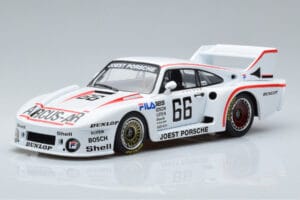
Porsche 935J #2 Liqui Moly R. Stommelen / R. Joest / V. Merl 24 Hours of Daytona Winner 1980 MCG 1:18
Only 5 left
Price:
68.00 €
Last one
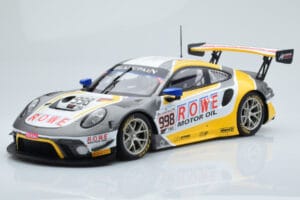
Porsche 911 GT3 R Rowe Racing #998 F. Makowiecki / A. Pilet / N. Tandy 2nd Place 24 Hours of Spa-Francorchamps 2019 Minichamps 1:18
Only 1 left
Price:
108.00 €
Last one
Used
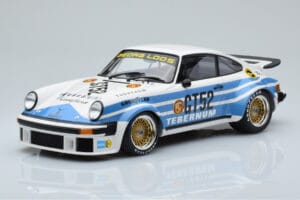
Porsche 911 934 Tebernum Racing Team #52 T. Schenken Nurburgring 300km 1976 Minichamps 1:18
Only 1 left
Price:
147.00 €
Last one
Used
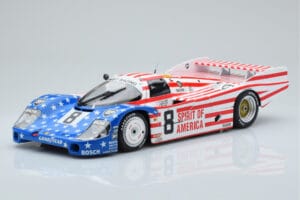
Porsche 956L Spirit of America #8 G. Follmer / J. Morton / K. Miller 24 Hours of Le Mans 1986 Minichamps 1:18
Only 1 left
Price:
130.00 €
Last one
Used
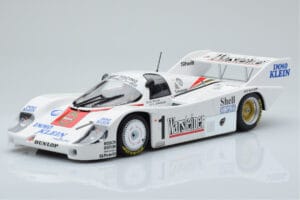
Porsche 956K Warsteiner #1 B. Wollek / S. Johansson DRM Zolder Winner 1983 Minichamps 1:18
Only 1 left
Price:
90.00 €
Last one
Used
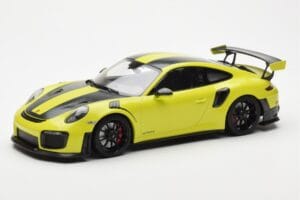
Porsche 911 991.2 GT2 RS Light Green With Black Magnesium Wheels Minichamps 1:18
Only 1 left
Price:
161.00 €
Collectors also bought
Browse all 1:18
Rimac Nevera Orange GT Spirit 1:18
Price:
109.00 €
Last one


Last one
Used

Lamborghini Murcielago R-GT #53 Reiter Engineering 24 Hours of Le Mans 2007 GT Spirit 1:18
Only 1 left
Price:
189.00 €
Aston Martin Valkyrie Racing Blue GT Spirit 1:18
Price:
105.00 €

Recently viewed
{"id":1695918,"name":"Porsche 911 992.1 GT3 R Rennsport White GT Spirit 1:18","price":"105.00 €<\/span><\/bdi><\/span>","image":"https:\/\/models118.com\/wp-content\/uploads\/2026\/10\/porsche-911-992-1-gt3-r-rennsport-white-gt-spirit-1-18-gt1010-1-1-400x400.jpg","permalink":"https:\/\/models118.com\/porsche-911-992-1-gt3-r-rennsport-white-gt-spirit-1-18-gt1010\/","brand":"Porsche"}