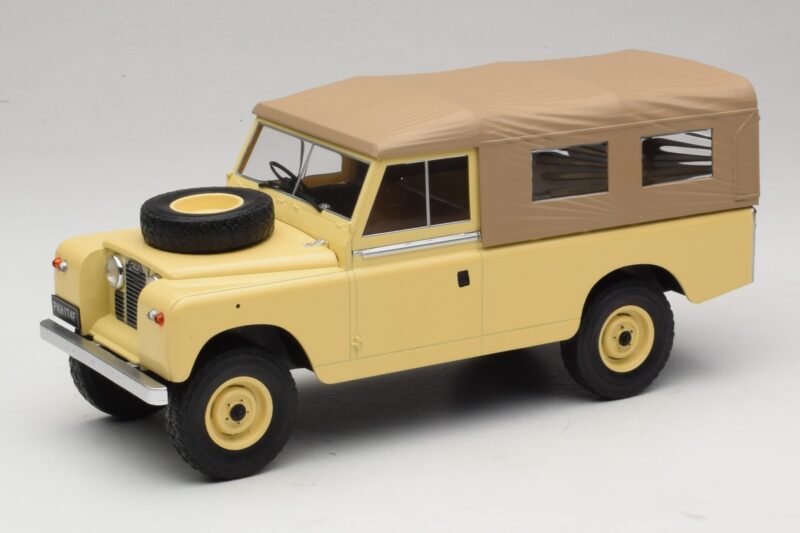
Land Rover Series II 109 Beige MCG 1:18
New arrival
1
/
6
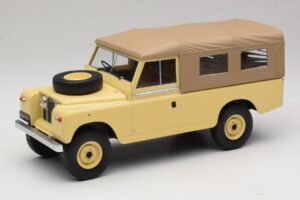
MCG's 1:18 diecast Land Rover Series II 109 in Beige reproduces the 1959 long-wheelbase utility 4x4 as a sealed one-piece casting. Metal weight, upright slab-sided lines, and clean exterior detail make it a practical, accessible pick for collectors of classic off-roaders, farm-truck nostalgia, or a British marque shelf. At 1:18 it sits comfortably beside cars and trucks from the same decade.
1 / 6
[{"index":0,"id":"1714467","thumb":"https:\/\/models118.com\/wp-content\/uploads\/2026\/11\/land-rover-series-ii-109-beige-mcg-1-18-mcg18652-1-1-300x200.jpg","medium":"https:\/\/models118.com\/wp-content\/uploads\/2026\/11\/land-rover-series-ii-109-beige-mcg-1-18-mcg18652-1-1-800x533.jpg","full":"https:\/\/models118.com\/wp-content\/uploads\/2026\/11\/land-rover-series-ii-109-beige-mcg-1-18-mcg18652-1-1.jpg","srcset":"https:\/\/models118.com\/wp-content\/uploads\/2026\/11\/land-rover-series-ii-109-beige-mcg-1-18-mcg18652-1-1-800x533.jpg 800w, https:\/\/models118.com\/wp-content\/uploads\/2026\/11\/land-rover-series-ii-109-beige-mcg-1-18-mcg18652-1-1-300x200.jpg 300w, https:\/\/models118.com\/wp-content\/uploads\/2026\/11\/land-rover-series-ii-109-beige-mcg-1-18-mcg18652-1-1-480x320.jpg 480w, https:\/\/models118.com\/wp-content\/uploads\/2026\/11\/land-rover-series-ii-109-beige-mcg-1-18-mcg18652-1-1-64x43.jpg 64w, https:\/\/models118.com\/wp-content\/uploads\/2026\/11\/land-rover-series-ii-109-beige-mcg-1-18-mcg18652-1-1.jpg 1800w","sizes":"(max-width: 1023px) 400px, 640px","srcsetAvif":"https:\/\/models118.com\/wp-content\/uploads\/2026\/11\/land-rover-series-ii-109-beige-mcg-1-18-mcg18652-1-1-800x533.jpg.avif 800w, https:\/\/models118.com\/wp-content\/uploads\/2026\/11\/land-rover-series-ii-109-beige-mcg-1-18-mcg18652-1-1-300x200.jpg.avif 300w, https:\/\/models118.com\/wp-content\/uploads\/2026\/11\/land-rover-series-ii-109-beige-mcg-1-18-mcg18652-1-1-480x320.jpg.avif 480w, https:\/\/models118.com\/wp-content\/uploads\/2026\/11\/land-rover-series-ii-109-beige-mcg-1-18-mcg18652-1-1-64x43.jpg.avif 64w, https:\/\/models118.com\/wp-content\/uploads\/2026\/11\/land-rover-series-ii-109-beige-mcg-1-18-mcg18652-1-1.jpg.avif 1800w","srcsetWebp":"https:\/\/models118.com\/wp-content\/uploads\/2026\/11\/land-rover-series-ii-109-beige-mcg-1-18-mcg18652-1-1-800x533.jpg.webp 800w, https:\/\/models118.com\/wp-content\/uploads\/2026\/11\/land-rover-series-ii-109-beige-mcg-1-18-mcg18652-1-1-300x200.jpg.webp 300w, https:\/\/models118.com\/wp-content\/uploads\/2026\/11\/land-rover-series-ii-109-beige-mcg-1-18-mcg18652-1-1-480x320.jpg.webp 480w, https:\/\/models118.com\/wp-content\/uploads\/2026\/11\/land-rover-series-ii-109-beige-mcg-1-18-mcg18652-1-1-64x43.jpg.webp 64w, https:\/\/models118.com\/wp-content\/uploads\/2026\/11\/land-rover-series-ii-109-beige-mcg-1-18-mcg18652-1-1.jpg.webp 1800w","alt":"Land Rover Series II 109 Beige MCG 1:18 MCG18652 Diecast"},{"index":1,"id":1714469,"thumb":"https:\/\/models118.com\/wp-content\/uploads\/2026\/11\/land-rover-series-ii-109-beige-mcg-1-18-mcg18652-1-300x200.jpg","medium":"https:\/\/models118.com\/wp-content\/uploads\/2026\/11\/land-rover-series-ii-109-beige-mcg-1-18-mcg18652-1-800x533.jpg","full":"https:\/\/models118.com\/wp-content\/uploads\/2026\/11\/land-rover-series-ii-109-beige-mcg-1-18-mcg18652-1.jpg","srcset":"https:\/\/models118.com\/wp-content\/uploads\/2026\/11\/land-rover-series-ii-109-beige-mcg-1-18-mcg18652-1-800x533.jpg 800w, https:\/\/models118.com\/wp-content\/uploads\/2026\/11\/land-rover-series-ii-109-beige-mcg-1-18-mcg18652-1-300x200.jpg 300w, https:\/\/models118.com\/wp-content\/uploads\/2026\/11\/land-rover-series-ii-109-beige-mcg-1-18-mcg18652-1-480x320.jpg 480w, https:\/\/models118.com\/wp-content\/uploads\/2026\/11\/land-rover-series-ii-109-beige-mcg-1-18-mcg18652-1-64x43.jpg 64w, https:\/\/models118.com\/wp-content\/uploads\/2026\/11\/land-rover-series-ii-109-beige-mcg-1-18-mcg18652-1.jpg 1800w","sizes":"(max-width: 1023px) 400px, 640px","srcsetAvif":"https:\/\/models118.com\/wp-content\/uploads\/2026\/11\/land-rover-series-ii-109-beige-mcg-1-18-mcg18652-1-800x533.jpg.avif 800w, https:\/\/models118.com\/wp-content\/uploads\/2026\/11\/land-rover-series-ii-109-beige-mcg-1-18-mcg18652-1-300x200.jpg.avif 300w, https:\/\/models118.com\/wp-content\/uploads\/2026\/11\/land-rover-series-ii-109-beige-mcg-1-18-mcg18652-1-480x320.jpg.avif 480w, https:\/\/models118.com\/wp-content\/uploads\/2026\/11\/land-rover-series-ii-109-beige-mcg-1-18-mcg18652-1-64x43.jpg.avif 64w, https:\/\/models118.com\/wp-content\/uploads\/2026\/11\/land-rover-series-ii-109-beige-mcg-1-18-mcg18652-1.jpg.avif 1800w","srcsetWebp":"https:\/\/models118.com\/wp-content\/uploads\/2026\/11\/land-rover-series-ii-109-beige-mcg-1-18-mcg18652-1-800x533.jpg.webp 800w, https:\/\/models118.com\/wp-content\/uploads\/2026\/11\/land-rover-series-ii-109-beige-mcg-1-18-mcg18652-1-300x200.jpg.webp 300w, https:\/\/models118.com\/wp-content\/uploads\/2026\/11\/land-rover-series-ii-109-beige-mcg-1-18-mcg18652-1-480x320.jpg.webp 480w, https:\/\/models118.com\/wp-content\/uploads\/2026\/11\/land-rover-series-ii-109-beige-mcg-1-18-mcg18652-1-64x43.jpg.webp 64w, https:\/\/models118.com\/wp-content\/uploads\/2026\/11\/land-rover-series-ii-109-beige-mcg-1-18-mcg18652-1.jpg.webp 1800w","alt":"Land Rover Series II 109 Beige MCG 1:18 MCG18652 Diecast - image 2 of 6"},{"index":2,"id":1714471,"thumb":"https:\/\/models118.com\/wp-content\/uploads\/2026\/11\/land-rover-series-ii-109-beige-mcg-1-18-mcg18652-2-300x200.jpg","medium":"https:\/\/models118.com\/wp-content\/uploads\/2026\/11\/land-rover-series-ii-109-beige-mcg-1-18-mcg18652-2-800x533.jpg","full":"https:\/\/models118.com\/wp-content\/uploads\/2026\/11\/land-rover-series-ii-109-beige-mcg-1-18-mcg18652-2.jpg","srcset":"https:\/\/models118.com\/wp-content\/uploads\/2026\/11\/land-rover-series-ii-109-beige-mcg-1-18-mcg18652-2-800x533.jpg 800w, https:\/\/models118.com\/wp-content\/uploads\/2026\/11\/land-rover-series-ii-109-beige-mcg-1-18-mcg18652-2-300x200.jpg 300w, https:\/\/models118.com\/wp-content\/uploads\/2026\/11\/land-rover-series-ii-109-beige-mcg-1-18-mcg18652-2-480x320.jpg 480w, https:\/\/models118.com\/wp-content\/uploads\/2026\/11\/land-rover-series-ii-109-beige-mcg-1-18-mcg18652-2-64x43.jpg 64w, https:\/\/models118.com\/wp-content\/uploads\/2026\/11\/land-rover-series-ii-109-beige-mcg-1-18-mcg18652-2.jpg 1800w","sizes":"(max-width: 1023px) 400px, 640px","srcsetAvif":"https:\/\/models118.com\/wp-content\/uploads\/2026\/11\/land-rover-series-ii-109-beige-mcg-1-18-mcg18652-2-800x533.jpg.avif 800w, https:\/\/models118.com\/wp-content\/uploads\/2026\/11\/land-rover-series-ii-109-beige-mcg-1-18-mcg18652-2-300x200.jpg.avif 300w, https:\/\/models118.com\/wp-content\/uploads\/2026\/11\/land-rover-series-ii-109-beige-mcg-1-18-mcg18652-2-480x320.jpg.avif 480w, https:\/\/models118.com\/wp-content\/uploads\/2026\/11\/land-rover-series-ii-109-beige-mcg-1-18-mcg18652-2-64x43.jpg.avif 64w, https:\/\/models118.com\/wp-content\/uploads\/2026\/11\/land-rover-series-ii-109-beige-mcg-1-18-mcg18652-2.jpg.avif 1800w","srcsetWebp":"https:\/\/models118.com\/wp-content\/uploads\/2026\/11\/land-rover-series-ii-109-beige-mcg-1-18-mcg18652-2-800x533.jpg.webp 800w, https:\/\/models118.com\/wp-content\/uploads\/2026\/11\/land-rover-series-ii-109-beige-mcg-1-18-mcg18652-2-300x200.jpg.webp 300w, https:\/\/models118.com\/wp-content\/uploads\/2026\/11\/land-rover-series-ii-109-beige-mcg-1-18-mcg18652-2-480x320.jpg.webp 480w, https:\/\/models118.com\/wp-content\/uploads\/2026\/11\/land-rover-series-ii-109-beige-mcg-1-18-mcg18652-2-64x43.jpg.webp 64w, https:\/\/models118.com\/wp-content\/uploads\/2026\/11\/land-rover-series-ii-109-beige-mcg-1-18-mcg18652-2.jpg.webp 1800w","alt":"Land Rover Series II 109 Beige MCG 1:18 MCG18652 Diecast - image 3 of 6"},{"index":3,"id":1714473,"thumb":"https:\/\/models118.com\/wp-content\/uploads\/2026\/11\/land-rover-series-ii-109-beige-mcg-1-18-mcg18652-3-300x200.jpg","medium":"https:\/\/models118.com\/wp-content\/uploads\/2026\/11\/land-rover-series-ii-109-beige-mcg-1-18-mcg18652-3-800x533.jpg","full":"https:\/\/models118.com\/wp-content\/uploads\/2026\/11\/land-rover-series-ii-109-beige-mcg-1-18-mcg18652-3.jpg","srcset":"https:\/\/models118.com\/wp-content\/uploads\/2026\/11\/land-rover-series-ii-109-beige-mcg-1-18-mcg18652-3-800x533.jpg 800w, https:\/\/models118.com\/wp-content\/uploads\/2026\/11\/land-rover-series-ii-109-beige-mcg-1-18-mcg18652-3-300x200.jpg 300w, https:\/\/models118.com\/wp-content\/uploads\/2026\/11\/land-rover-series-ii-109-beige-mcg-1-18-mcg18652-3-480x320.jpg 480w, https:\/\/models118.com\/wp-content\/uploads\/2026\/11\/land-rover-series-ii-109-beige-mcg-1-18-mcg18652-3-64x43.jpg 64w, https:\/\/models118.com\/wp-content\/uploads\/2026\/11\/land-rover-series-ii-109-beige-mcg-1-18-mcg18652-3.jpg 1800w","sizes":"(max-width: 1023px) 400px, 640px","srcsetAvif":"https:\/\/models118.com\/wp-content\/uploads\/2026\/11\/land-rover-series-ii-109-beige-mcg-1-18-mcg18652-3-800x533.jpg.avif 800w, https:\/\/models118.com\/wp-content\/uploads\/2026\/11\/land-rover-series-ii-109-beige-mcg-1-18-mcg18652-3-300x200.jpg.avif 300w, https:\/\/models118.com\/wp-content\/uploads\/2026\/11\/land-rover-series-ii-109-beige-mcg-1-18-mcg18652-3-480x320.jpg.avif 480w, https:\/\/models118.com\/wp-content\/uploads\/2026\/11\/land-rover-series-ii-109-beige-mcg-1-18-mcg18652-3-64x43.jpg.avif 64w, https:\/\/models118.com\/wp-content\/uploads\/2026\/11\/land-rover-series-ii-109-beige-mcg-1-18-mcg18652-3.jpg.avif 1800w","srcsetWebp":"https:\/\/models118.com\/wp-content\/uploads\/2026\/11\/land-rover-series-ii-109-beige-mcg-1-18-mcg18652-3-800x533.jpg.webp 800w, https:\/\/models118.com\/wp-content\/uploads\/2026\/11\/land-rover-series-ii-109-beige-mcg-1-18-mcg18652-3-300x200.jpg.webp 300w, https:\/\/models118.com\/wp-content\/uploads\/2026\/11\/land-rover-series-ii-109-beige-mcg-1-18-mcg18652-3-480x320.jpg.webp 480w, https:\/\/models118.com\/wp-content\/uploads\/2026\/11\/land-rover-series-ii-109-beige-mcg-1-18-mcg18652-3-64x43.jpg.webp 64w, https:\/\/models118.com\/wp-content\/uploads\/2026\/11\/land-rover-series-ii-109-beige-mcg-1-18-mcg18652-3.jpg.webp 1800w","alt":"Land Rover Series II 109 Beige MCG 1:18 MCG18652 Diecast - image 4 of 6"},{"index":4,"id":1714475,"thumb":"https:\/\/models118.com\/wp-content\/uploads\/2026\/11\/land-rover-series-ii-109-beige-mcg-1-18-mcg18652-4-300x200.jpg","medium":"https:\/\/models118.com\/wp-content\/uploads\/2026\/11\/land-rover-series-ii-109-beige-mcg-1-18-mcg18652-4-800x533.jpg","full":"https:\/\/models118.com\/wp-content\/uploads\/2026\/11\/land-rover-series-ii-109-beige-mcg-1-18-mcg18652-4.jpg","srcset":"https:\/\/models118.com\/wp-content\/uploads\/2026\/11\/land-rover-series-ii-109-beige-mcg-1-18-mcg18652-4-800x533.jpg 800w, https:\/\/models118.com\/wp-content\/uploads\/2026\/11\/land-rover-series-ii-109-beige-mcg-1-18-mcg18652-4-300x200.jpg 300w, https:\/\/models118.com\/wp-content\/uploads\/2026\/11\/land-rover-series-ii-109-beige-mcg-1-18-mcg18652-4-480x320.jpg 480w, https:\/\/models118.com\/wp-content\/uploads\/2026\/11\/land-rover-series-ii-109-beige-mcg-1-18-mcg18652-4-64x43.jpg 64w, https:\/\/models118.com\/wp-content\/uploads\/2026\/11\/land-rover-series-ii-109-beige-mcg-1-18-mcg18652-4.jpg 1800w","sizes":"(max-width: 1023px) 400px, 640px","srcsetAvif":"https:\/\/models118.com\/wp-content\/uploads\/2026\/11\/land-rover-series-ii-109-beige-mcg-1-18-mcg18652-4-800x533.jpg.avif 800w, https:\/\/models118.com\/wp-content\/uploads\/2026\/11\/land-rover-series-ii-109-beige-mcg-1-18-mcg18652-4-300x200.jpg.avif 300w, https:\/\/models118.com\/wp-content\/uploads\/2026\/11\/land-rover-series-ii-109-beige-mcg-1-18-mcg18652-4-480x320.jpg.avif 480w, https:\/\/models118.com\/wp-content\/uploads\/2026\/11\/land-rover-series-ii-109-beige-mcg-1-18-mcg18652-4-64x43.jpg.avif 64w, https:\/\/models118.com\/wp-content\/uploads\/2026\/11\/land-rover-series-ii-109-beige-mcg-1-18-mcg18652-4.jpg.avif 1800w","srcsetWebp":"https:\/\/models118.com\/wp-content\/uploads\/2026\/11\/land-rover-series-ii-109-beige-mcg-1-18-mcg18652-4-800x533.jpg.webp 800w, https:\/\/models118.com\/wp-content\/uploads\/2026\/11\/land-rover-series-ii-109-beige-mcg-1-18-mcg18652-4-300x200.jpg.webp 300w, https:\/\/models118.com\/wp-content\/uploads\/2026\/11\/land-rover-series-ii-109-beige-mcg-1-18-mcg18652-4-480x320.jpg.webp 480w, https:\/\/models118.com\/wp-content\/uploads\/2026\/11\/land-rover-series-ii-109-beige-mcg-1-18-mcg18652-4-64x43.jpg.webp 64w, https:\/\/models118.com\/wp-content\/uploads\/2026\/11\/land-rover-series-ii-109-beige-mcg-1-18-mcg18652-4.jpg.webp 1800w","alt":"Land Rover Series II 109 Beige MCG 1:18 MCG18652 Diecast - image 5 of 6"},{"index":5,"id":1714477,"thumb":"https:\/\/models118.com\/wp-content\/uploads\/2026\/11\/land-rover-series-ii-109-beige-mcg-1-18-mcg18652-5-300x200.jpg","medium":"https:\/\/models118.com\/wp-content\/uploads\/2026\/11\/land-rover-series-ii-109-beige-mcg-1-18-mcg18652-5-800x533.jpg","full":"https:\/\/models118.com\/wp-content\/uploads\/2026\/11\/land-rover-series-ii-109-beige-mcg-1-18-mcg18652-5.jpg","srcset":"https:\/\/models118.com\/wp-content\/uploads\/2026\/11\/land-rover-series-ii-109-beige-mcg-1-18-mcg18652-5-800x533.jpg 800w, https:\/\/models118.com\/wp-content\/uploads\/2026\/11\/land-rover-series-ii-109-beige-mcg-1-18-mcg18652-5-300x200.jpg 300w, https:\/\/models118.com\/wp-content\/uploads\/2026\/11\/land-rover-series-ii-109-beige-mcg-1-18-mcg18652-5-480x320.jpg 480w, https:\/\/models118.com\/wp-content\/uploads\/2026\/11\/land-rover-series-ii-109-beige-mcg-1-18-mcg18652-5-64x43.jpg 64w, https:\/\/models118.com\/wp-content\/uploads\/2026\/11\/land-rover-series-ii-109-beige-mcg-1-18-mcg18652-5.jpg 1800w","sizes":"(max-width: 1023px) 400px, 640px","srcsetAvif":"https:\/\/models118.com\/wp-content\/uploads\/2026\/11\/land-rover-series-ii-109-beige-mcg-1-18-mcg18652-5-800x533.jpg.avif 800w, https:\/\/models118.com\/wp-content\/uploads\/2026\/11\/land-rover-series-ii-109-beige-mcg-1-18-mcg18652-5-300x200.jpg.avif 300w, https:\/\/models118.com\/wp-content\/uploads\/2026\/11\/land-rover-series-ii-109-beige-mcg-1-18-mcg18652-5-480x320.jpg.avif 480w, https:\/\/models118.com\/wp-content\/uploads\/2026\/11\/land-rover-series-ii-109-beige-mcg-1-18-mcg18652-5-64x43.jpg.avif 64w, https:\/\/models118.com\/wp-content\/uploads\/2026\/11\/land-rover-series-ii-109-beige-mcg-1-18-mcg18652-5.jpg.avif 1800w","srcsetWebp":"https:\/\/models118.com\/wp-content\/uploads\/2026\/11\/land-rover-series-ii-109-beige-mcg-1-18-mcg18652-5-800x533.jpg.webp 800w, https:\/\/models118.com\/wp-content\/uploads\/2026\/11\/land-rover-series-ii-109-beige-mcg-1-18-mcg18652-5-300x200.jpg.webp 300w, https:\/\/models118.com\/wp-content\/uploads\/2026\/11\/land-rover-series-ii-109-beige-mcg-1-18-mcg18652-5-480x320.jpg.webp 480w, https:\/\/models118.com\/wp-content\/uploads\/2026\/11\/land-rover-series-ii-109-beige-mcg-1-18-mcg18652-5-64x43.jpg.webp 64w, https:\/\/models118.com\/wp-content\/uploads\/2026\/11\/land-rover-series-ii-109-beige-mcg-1-18-mcg18652-5.jpg.webp 1800w","alt":"Land Rover Series II 109 Beige MCG 1:18 MCG18652 Diecast - image 6 of 6"}]
Land Rover Series II 109 Beige MCG 1:18
Current price:
68.00 €
In stock
Estimated delivery: Nov 12–17, 2026
Shipping rates by country
5% discount on your first order — create a free account
Shipping to 79 countries
Worldwide delivery
Prices incl. 23% VAT
No hidden costs
Shipping rates by country
Tracked & insured
Pay in EUR €
Local currency
Specifications
- Brand
- Land Rover
- Manufacturer
- MCG
- Scale
- 1:18
- Material
- Diecast
- Model Condition
- New Model
- SKU
- MCG18652
- Year
- 1959
- Era
- 1950s
- Body Type
- 4x4 & Off-Road
- Vehicle Class
- Off-Road Vehicles
- Openable Parts
- No
- Packaging Condition
- New
- Model Type
- Street Models
- EAN / GTIN
- 4052176865842
100% authentic
Direct from manufacturers
5-layer carton
Foam-filled interior
Easy returns
14 days, no questions asked
Secure payment
256-bit SSL encryption
About the Land Rover Series II 109 Beige MCG 1:18
TL;DR: The MCG Land Rover Series II 109 in 1:18 is a diecast model of the 1959 long-wheelbase utility 4x4, finished in Beige on a sealed one-piece body. Upright, slab-sided lines, the weight of a zinc alloy casting, and clean exterior detail suit collectors of classic British off-roaders and farm-truck nostalgia.
A Land Rover from the late 1950s is a tool first and a collectible second, which is what makes a faithful scale version so appealing. Built to be hosed down and driven hard, it carries almost no ornament, so a model has little to hide behind. This MCG Land Rover Series II 109 in Beige keeps that honesty.
MCG Land Rover Series II 109 in 1:18 Diecast
A Sealed Shell for Flat Aluminum Panels
The real Series II wore aluminum body panels over a separate chassis, with gently curved sides that softened the earlier boxy look, and a one-piece casting suits that shape well. With no opening panels, the model keeps its door lines, windscreen frame, and square wheel arches crisp and unbroken. Zinc alloy gives noticeable weight, which feels right for a vehicle built around toughness, and it holds its form on a shelf for decades. The trade-off is straightforward: no interior to explore, so the casting has to earn its place with surface accuracy. Run a fingernail along a body line and it should track as one clean groove, not a seam that wanders.
Stance, Tires, and Beige Paint
Beige is a fitting color for an agricultural and expedition workhorse, and on a diecast shell a solid color reads evenly without the flake that distracts on a metallic. Check ride height and wheel fit first: a utility vehicle sits tall, and a model that looks squat or flat-footed has lost its character. Tire sidewall height and tread pattern matter more here than on a road car because they define the vehicle's purpose. At 1:18 the 109 runs to roughly 24 cm, a substantial presence that fills a shelf slot much as a sports car would, despite looking nothing like one.
From Farm Track to Collector Shelf
The Series II Step Forward
Land Rover began in 1948, and the Series II arrived in 1958 as a significant update, bringing rounder body sides and a new petrol engine to the lineup. The 109 in the name refers to the wheelbase in inches, the long version of the two sizes on offer, and it was built in several body styles. The Series II sits between the original Series I and the later Series IIA, which makes it a natural middle chapter for anyone tracing the Land Rover story. Compare the listing photos with period references to confirm the exact body configuration of this casting, because real Series II bodies varied widely.
Pairing With Other Utility Classics
Utility vehicles give a cabinet a different rhythm from sports cars. A Series II 109 looks natural beside other workhorse classics and expedition-era vehicles, and it provides a useful counterpoint to sleeker British roadsters. For US collectors, the connection often comes through classic farm and ranch culture or safari imagery, both of which sit comfortably in a themed display. Diecast at this accessible tier suits the subject: a Land Rover was never meant to be precious, so a robust metal model that can be handled without anxiety fits the spirit better than an ultra-limited piece would.
Handling and Display for a Workhorse Replica
Display the Beige Land Rover where side light can rake across the flat panels; that is how paint evenness and body lines show best. Keep it away from direct sun and heat sources, which dull paint and age rubber tires over long periods. Dust it with a soft brush rather than a cloth. Since the body is sealed, handle it by the chassis and roof rather than by small protruding parts. As a purchase decision the logic is simple: this is an accessible diecast that gives you a convincing 1959 utility shape and a sturdy feel, suited to a shelf of vintage British or off-road subjects. Anyone ready to order should compare stance and body configuration against period photos first, because those two checks reveal most of what matters.
From the same collection
New arrival
Land Rover Series II 109 White / Black MCG 1:18
Price:
68.00 €
Collectors also bought
Browse all 1:18
Back in stock

Porsche 935J #2 Liqui Moly R. Stommelen / R. Joest / V. Merl 24 Hours of Daytona Winner 1980 MCG 1:18
Only 5 left
Price:
68.00 €

Last one

Back in stock
Mercedes E-Class W124 Tuning White MCG 1:18
Price:
66.00 €
Last one

Last one



Recently viewed
{"id":1713498,"name":"Land Rover Series II 109 Beige MCG 1:18","price":"68.00 €<\/span><\/bdi><\/span>","image":"https:\/\/models118.com\/wp-content\/uploads\/2026\/11\/land-rover-series-ii-109-beige-mcg-1-18-mcg18652-1-1-400x400.jpg","permalink":"https:\/\/models118.com\/land-rover-series-ii-109-beige-mcg-1-18-mcg18652\/","brand":"Land Rover"}