On sale:
-5%
New arrival
Pre-order

Mercedes C63 AMG W204 Brabus B63S Obsidian Black GT Spirit 1:18
Expected Nov 4–14, 2026
Slots available
Price:
was
105.00 €
100.00 €
You save 5.00 €
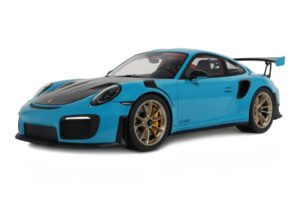
A sealed body isn’t a limitation, it’s a construction choice that prioritizes surface precision above interactive features. This collection spans Porsche, BMW, Mercedes, Ford, Audi, Volkswagen, Toyota and Opel across 1:18, 1:43 and 1:12 diecast and resin, none carrying opening doors, hoods or trunks.
You save 5.00 €

You save 10.45 €

You save 5.00 €

You save 10.00 €

You save 5.00 €

You save 5.00 €
You save 10.00 €

You save 5.00 €

You save 5.00 €

You save 5.00 €

You save 10.00 €

You save 3.25 €
Lowest price in the 30 days before the reduction: 65.00 €

You save 3.50 €
Lowest price in the 30 days before the reduction: 70.00 €

You save 3.75 €
Lowest price in the 30 days before the reduction: 75.00 €

You save 7.50 €
Lowest price in the 30 days before the reduction: 150.00 €

You save 7.50 €
Lowest price in the 30 days before the reduction: 150.00 €

You save 3.50 €
Lowest price in the 30 days before the reduction: 70.00 €
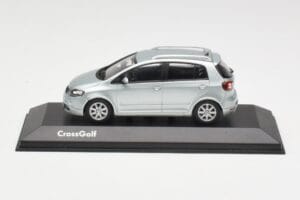
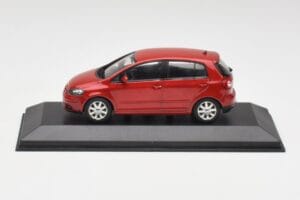
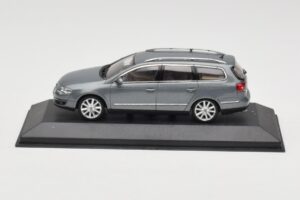
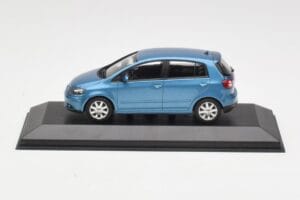
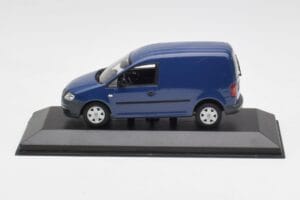
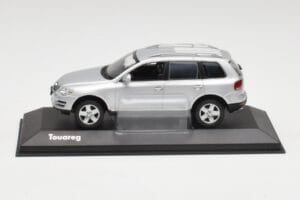

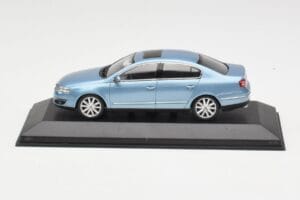


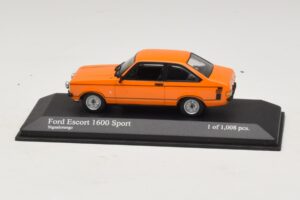








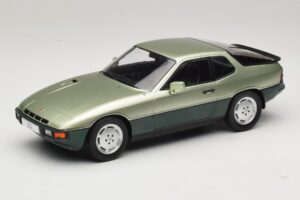


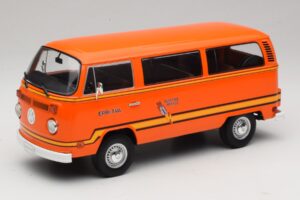



























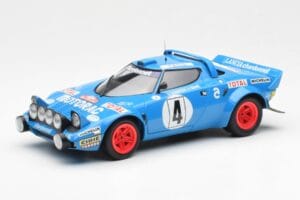




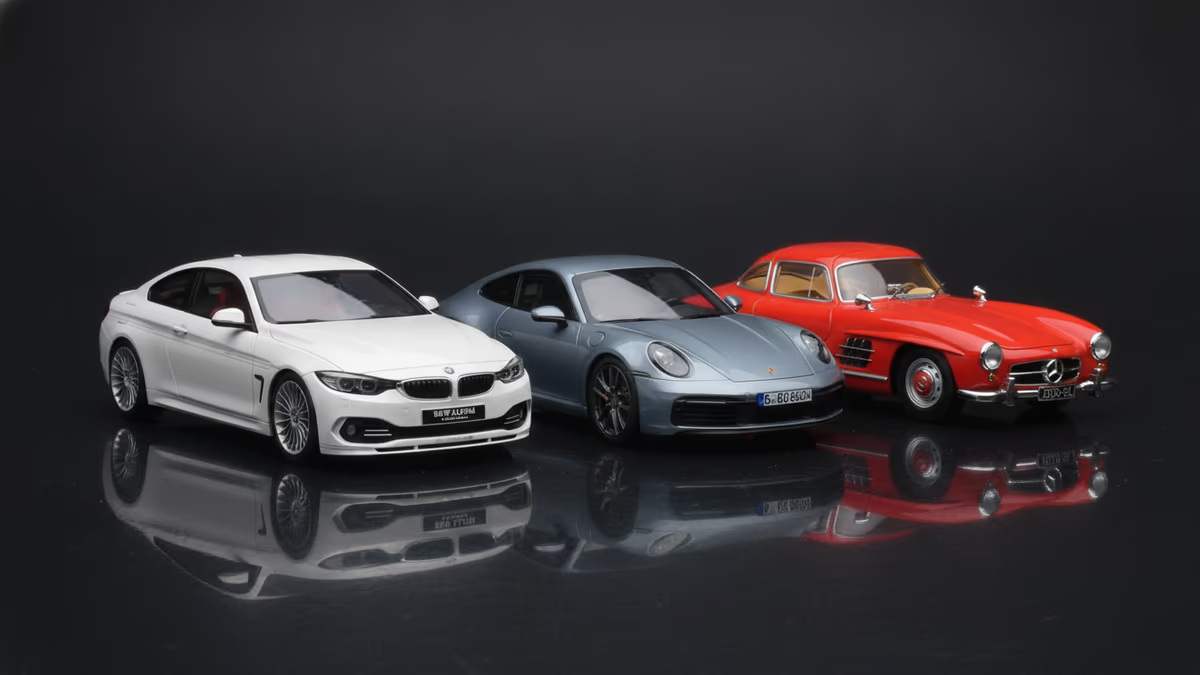
TL;DR: Sealed body scale models without opening features cover Porsche, BMW, Mercedes, Ford, Audi, Volkswagen, Toyota and Opel in 1:18, 1:43 and 1:12 diecast and resin. Fixed-body construction achieves tighter panel lines than opening-feature equivalents, spanning Formula 1, tuner specials and vintage classics.
Sealed body scale models without opening features represent a deliberate construction philosophy rather than a stripped-down alternative to fuller-featured models. Without doors, hoods or trunks that need to open, a manufacturer can achieve panel gaps and surface continuity that opening-feature construction simply cannot match on the same subject.
Every opening panel on a model requires manufacturing clearance for hinges and latching mechanisms, which necessarily widens the shut lines around that panel compared to a fixed, sealed equivalent. Sealed-body construction removes that constraint entirely, letting manufacturers chase the tightest possible panel lines and the most continuous surface curvature, particularly valuable on subjects with dramatic curved bodywork like Porsche's rounded fenders or Formula 1 aerodynamic surfaces.
Minichamps and GT Spirit both work extensively in sealed-body construction, particularly for motorsport subjects and premium sports cars where interior detail matters less than exterior surface fidelity. Otto and MCG apply similar construction philosophy across modern classics and tuner specials, while IXO extends sealed-body precision into its rally and racing subjects where livery accuracy on a continuous surface reads more clearly than on a panel-broken equivalent.
Sealed-body models suit collectors prioritizing display accuracy over interactive handling, particularly for vitrine-based displays where models are viewed rather than handled regularly. Formula 1 subjects in particular benefit from sealed construction, since these cars have no meaningful opening panels in real life anyway, making sealed replicas more accurate to the actual vehicle.
Many collections mix sealed and opening-feature models deliberately, choosing sealed construction for subjects where surface accuracy matters most and opening-feature diecast for subjects where interior and engine bay detail adds genuine display value.
Sealed-body construction eliminates the manufacturing clearance needed for opening panels, allowing tighter panel lines and more continuous surface curvature, which matters most on dramatically curved or aerodynamic subjects.
No, sealed construction is a deliberate quality choice prioritizing surface precision over interactive features, not an indication of lower overall quality.
Formula 1 cars and other aerodynamic racing subjects benefit most, since these vehicles have minimal opening panels in real life, making sealed replicas more accurate to the actual car.
Yes, many collectors mix both deliberately, using sealed construction where surface accuracy matters most and opening-feature diecast where interior detail adds genuine value.