
Nissan Fairlady 240ZG Brown Kyosho 1:18
Sold out
1
/
8
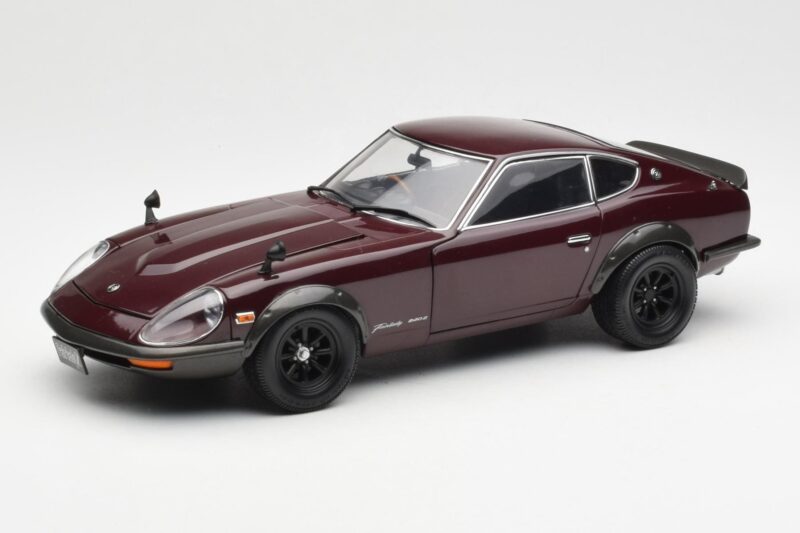
Kyosho's 1:18 die-cast Nissan Fairlady 240ZG, finished in brown, reproduces the JDM-only long-nose G-variant of the S30 Z-car, distinguished by its integrated flip-up headlight covers and flared fenders, an aero package Nissan never brought to the US export 240Z. Opening doors and hood expose a period-correct cast interior. A distinctive JDM pick for collectors chasing home-market Z-car variants beyond the familiar export coupe.
1 / 8
[{"index":0,"id":"468069","thumb":"https:\/\/models118.com\/wp-content\/uploads\/2026\/06\/nissan-fairlady-240zg-marron-kyosho-1-18-300x200.jpg","medium":"https:\/\/models118.com\/wp-content\/uploads\/2026\/06\/nissan-fairlady-240zg-marron-kyosho-1-18-800x533.jpg","full":"https:\/\/models118.com\/wp-content\/uploads\/2026\/06\/nissan-fairlady-240zg-marron-kyosho-1-18.jpg","srcset":"https:\/\/models118.com\/wp-content\/uploads\/2026\/06\/nissan-fairlady-240zg-marron-kyosho-1-18-800x533.jpg 800w, https:\/\/models118.com\/wp-content\/uploads\/2026\/06\/nissan-fairlady-240zg-marron-kyosho-1-18-64x43.jpg 64w, https:\/\/models118.com\/wp-content\/uploads\/2026\/06\/nissan-fairlady-240zg-marron-kyosho-1-18-300x200.jpg 300w, https:\/\/models118.com\/wp-content\/uploads\/2026\/06\/nissan-fairlady-240zg-marron-kyosho-1-18-480x320.jpg 480w, https:\/\/models118.com\/wp-content\/uploads\/2026\/06\/nissan-fairlady-240zg-marron-kyosho-1-18.jpg 1800w","sizes":"(max-width: 1023px) 400px, 640px","srcsetAvif":"https:\/\/models118.com\/wp-content\/uploads\/2026\/06\/nissan-fairlady-240zg-marron-kyosho-1-18-800x533.jpg.avif 800w, https:\/\/models118.com\/wp-content\/uploads\/2026\/06\/nissan-fairlady-240zg-marron-kyosho-1-18-64x43.jpg.avif 64w, https:\/\/models118.com\/wp-content\/uploads\/2026\/06\/nissan-fairlady-240zg-marron-kyosho-1-18-300x200.jpg.avif 300w, https:\/\/models118.com\/wp-content\/uploads\/2026\/06\/nissan-fairlady-240zg-marron-kyosho-1-18-480x320.jpg.avif 480w, https:\/\/models118.com\/wp-content\/uploads\/2026\/06\/nissan-fairlady-240zg-marron-kyosho-1-18.jpg.avif 1800w","srcsetWebp":"https:\/\/models118.com\/wp-content\/uploads\/2026\/06\/nissan-fairlady-240zg-marron-kyosho-1-18-800x533.jpg.webp 800w, https:\/\/models118.com\/wp-content\/uploads\/2026\/06\/nissan-fairlady-240zg-marron-kyosho-1-18-64x43.jpg.webp 64w, https:\/\/models118.com\/wp-content\/uploads\/2026\/06\/nissan-fairlady-240zg-marron-kyosho-1-18-300x200.jpg.webp 300w, https:\/\/models118.com\/wp-content\/uploads\/2026\/06\/nissan-fairlady-240zg-marron-kyosho-1-18-480x320.jpg.webp 480w, https:\/\/models118.com\/wp-content\/uploads\/2026\/06\/nissan-fairlady-240zg-marron-kyosho-1-18.jpg.webp 1800w","alt":"Nissan Fairlady 240ZG Brown Kyosho 1:18 08217M Diecast"},{"index":1,"id":468096,"thumb":"https:\/\/models118.com\/wp-content\/uploads\/2026\/06\/nissan-fairlady-240zg-marron-kyosho-1-18-1-300x200.jpg","medium":"https:\/\/models118.com\/wp-content\/uploads\/2026\/06\/nissan-fairlady-240zg-marron-kyosho-1-18-1-800x533.jpg","full":"https:\/\/models118.com\/wp-content\/uploads\/2026\/06\/nissan-fairlady-240zg-marron-kyosho-1-18-1.jpg","srcset":"https:\/\/models118.com\/wp-content\/uploads\/2026\/06\/nissan-fairlady-240zg-marron-kyosho-1-18-1-800x533.jpg 800w, https:\/\/models118.com\/wp-content\/uploads\/2026\/06\/nissan-fairlady-240zg-marron-kyosho-1-18-1-64x43.jpg 64w, https:\/\/models118.com\/wp-content\/uploads\/2026\/06\/nissan-fairlady-240zg-marron-kyosho-1-18-1-300x200.jpg 300w, https:\/\/models118.com\/wp-content\/uploads\/2026\/06\/nissan-fairlady-240zg-marron-kyosho-1-18-1.jpg 1800w","sizes":"(max-width: 1023px) 400px, 640px","srcsetAvif":"https:\/\/models118.com\/wp-content\/uploads\/2026\/06\/nissan-fairlady-240zg-marron-kyosho-1-18-1-800x533.jpg.avif 800w, https:\/\/models118.com\/wp-content\/uploads\/2026\/06\/nissan-fairlady-240zg-marron-kyosho-1-18-1-64x43.jpg.avif 64w, https:\/\/models118.com\/wp-content\/uploads\/2026\/06\/nissan-fairlady-240zg-marron-kyosho-1-18-1-300x200.jpg.avif 300w, https:\/\/models118.com\/wp-content\/uploads\/2026\/06\/nissan-fairlady-240zg-marron-kyosho-1-18-1.jpg.avif 1800w","srcsetWebp":"https:\/\/models118.com\/wp-content\/uploads\/2026\/06\/nissan-fairlady-240zg-marron-kyosho-1-18-1-800x533.jpg.webp 800w, https:\/\/models118.com\/wp-content\/uploads\/2026\/06\/nissan-fairlady-240zg-marron-kyosho-1-18-1-64x43.jpg.webp 64w, https:\/\/models118.com\/wp-content\/uploads\/2026\/06\/nissan-fairlady-240zg-marron-kyosho-1-18-1-300x200.jpg.webp 300w, https:\/\/models118.com\/wp-content\/uploads\/2026\/06\/nissan-fairlady-240zg-marron-kyosho-1-18-1.jpg.webp 1800w","alt":"Nissan Fairlady 240ZG Brown Kyosho 1:18 08217M Diecast - image 2 of 8"},{"index":2,"id":468123,"thumb":"https:\/\/models118.com\/wp-content\/uploads\/2026\/06\/nissan-fairlady-240zg-marron-kyosho-1-18-2-300x200.jpg","medium":"https:\/\/models118.com\/wp-content\/uploads\/2026\/06\/nissan-fairlady-240zg-marron-kyosho-1-18-2-800x533.jpg","full":"https:\/\/models118.com\/wp-content\/uploads\/2026\/06\/nissan-fairlady-240zg-marron-kyosho-1-18-2.jpg","srcset":"https:\/\/models118.com\/wp-content\/uploads\/2026\/06\/nissan-fairlady-240zg-marron-kyosho-1-18-2-800x533.jpg 800w, https:\/\/models118.com\/wp-content\/uploads\/2026\/06\/nissan-fairlady-240zg-marron-kyosho-1-18-2-64x43.jpg 64w, https:\/\/models118.com\/wp-content\/uploads\/2026\/06\/nissan-fairlady-240zg-marron-kyosho-1-18-2-300x200.jpg 300w, https:\/\/models118.com\/wp-content\/uploads\/2026\/06\/nissan-fairlady-240zg-marron-kyosho-1-18-2.jpg 1800w","sizes":"(max-width: 1023px) 400px, 640px","srcsetAvif":"https:\/\/models118.com\/wp-content\/uploads\/2026\/06\/nissan-fairlady-240zg-marron-kyosho-1-18-2-800x533.jpg.avif 800w, https:\/\/models118.com\/wp-content\/uploads\/2026\/06\/nissan-fairlady-240zg-marron-kyosho-1-18-2-64x43.jpg.avif 64w, https:\/\/models118.com\/wp-content\/uploads\/2026\/06\/nissan-fairlady-240zg-marron-kyosho-1-18-2-300x200.jpg.avif 300w, https:\/\/models118.com\/wp-content\/uploads\/2026\/06\/nissan-fairlady-240zg-marron-kyosho-1-18-2.jpg.avif 1800w","srcsetWebp":"https:\/\/models118.com\/wp-content\/uploads\/2026\/06\/nissan-fairlady-240zg-marron-kyosho-1-18-2-800x533.jpg.webp 800w, https:\/\/models118.com\/wp-content\/uploads\/2026\/06\/nissan-fairlady-240zg-marron-kyosho-1-18-2-64x43.jpg.webp 64w, https:\/\/models118.com\/wp-content\/uploads\/2026\/06\/nissan-fairlady-240zg-marron-kyosho-1-18-2-300x200.jpg.webp 300w, https:\/\/models118.com\/wp-content\/uploads\/2026\/06\/nissan-fairlady-240zg-marron-kyosho-1-18-2.jpg.webp 1800w","alt":"Nissan Fairlady 240ZG Brown Kyosho 1:18 08217M Diecast - image 3 of 8"},{"index":3,"id":468150,"thumb":"https:\/\/models118.com\/wp-content\/uploads\/2026\/06\/nissan-fairlady-240zg-marron-kyosho-1-18-3-300x200.jpg","medium":"https:\/\/models118.com\/wp-content\/uploads\/2026\/06\/nissan-fairlady-240zg-marron-kyosho-1-18-3-800x533.jpg","full":"https:\/\/models118.com\/wp-content\/uploads\/2026\/06\/nissan-fairlady-240zg-marron-kyosho-1-18-3.jpg","srcset":"https:\/\/models118.com\/wp-content\/uploads\/2026\/06\/nissan-fairlady-240zg-marron-kyosho-1-18-3-800x533.jpg 800w, https:\/\/models118.com\/wp-content\/uploads\/2026\/06\/nissan-fairlady-240zg-marron-kyosho-1-18-3-64x43.jpg 64w, https:\/\/models118.com\/wp-content\/uploads\/2026\/06\/nissan-fairlady-240zg-marron-kyosho-1-18-3-300x200.jpg 300w, https:\/\/models118.com\/wp-content\/uploads\/2026\/06\/nissan-fairlady-240zg-marron-kyosho-1-18-3.jpg 1800w","sizes":"(max-width: 1023px) 400px, 640px","srcsetAvif":"https:\/\/models118.com\/wp-content\/uploads\/2026\/06\/nissan-fairlady-240zg-marron-kyosho-1-18-3-800x533.jpg.avif 800w, https:\/\/models118.com\/wp-content\/uploads\/2026\/06\/nissan-fairlady-240zg-marron-kyosho-1-18-3-64x43.jpg.avif 64w, https:\/\/models118.com\/wp-content\/uploads\/2026\/06\/nissan-fairlady-240zg-marron-kyosho-1-18-3-300x200.jpg.avif 300w, https:\/\/models118.com\/wp-content\/uploads\/2026\/06\/nissan-fairlady-240zg-marron-kyosho-1-18-3.jpg.avif 1800w","srcsetWebp":"https:\/\/models118.com\/wp-content\/uploads\/2026\/06\/nissan-fairlady-240zg-marron-kyosho-1-18-3-800x533.jpg.webp 800w, https:\/\/models118.com\/wp-content\/uploads\/2026\/06\/nissan-fairlady-240zg-marron-kyosho-1-18-3-64x43.jpg.webp 64w, https:\/\/models118.com\/wp-content\/uploads\/2026\/06\/nissan-fairlady-240zg-marron-kyosho-1-18-3-300x200.jpg.webp 300w, https:\/\/models118.com\/wp-content\/uploads\/2026\/06\/nissan-fairlady-240zg-marron-kyosho-1-18-3.jpg.webp 1800w","alt":"Nissan Fairlady 240ZG Brown Kyosho 1:18 08217M Diecast - image 4 of 8"},{"index":4,"id":468177,"thumb":"https:\/\/models118.com\/wp-content\/uploads\/2026\/06\/nissan-fairlady-240zg-marron-kyosho-1-18-4-300x200.jpg","medium":"https:\/\/models118.com\/wp-content\/uploads\/2026\/06\/nissan-fairlady-240zg-marron-kyosho-1-18-4-800x533.jpg","full":"https:\/\/models118.com\/wp-content\/uploads\/2026\/06\/nissan-fairlady-240zg-marron-kyosho-1-18-4.jpg","srcset":"https:\/\/models118.com\/wp-content\/uploads\/2026\/06\/nissan-fairlady-240zg-marron-kyosho-1-18-4-800x533.jpg 800w, https:\/\/models118.com\/wp-content\/uploads\/2026\/06\/nissan-fairlady-240zg-marron-kyosho-1-18-4-64x43.jpg 64w, https:\/\/models118.com\/wp-content\/uploads\/2026\/06\/nissan-fairlady-240zg-marron-kyosho-1-18-4-300x200.jpg 300w, https:\/\/models118.com\/wp-content\/uploads\/2026\/06\/nissan-fairlady-240zg-marron-kyosho-1-18-4.jpg 1800w","sizes":"(max-width: 1023px) 400px, 640px","srcsetAvif":"https:\/\/models118.com\/wp-content\/uploads\/2026\/06\/nissan-fairlady-240zg-marron-kyosho-1-18-4-800x533.jpg.avif 800w, https:\/\/models118.com\/wp-content\/uploads\/2026\/06\/nissan-fairlady-240zg-marron-kyosho-1-18-4-64x43.jpg.avif 64w, https:\/\/models118.com\/wp-content\/uploads\/2026\/06\/nissan-fairlady-240zg-marron-kyosho-1-18-4-300x200.jpg.avif 300w, https:\/\/models118.com\/wp-content\/uploads\/2026\/06\/nissan-fairlady-240zg-marron-kyosho-1-18-4.jpg.avif 1800w","srcsetWebp":"https:\/\/models118.com\/wp-content\/uploads\/2026\/06\/nissan-fairlady-240zg-marron-kyosho-1-18-4-800x533.jpg.webp 800w, https:\/\/models118.com\/wp-content\/uploads\/2026\/06\/nissan-fairlady-240zg-marron-kyosho-1-18-4-64x43.jpg.webp 64w, https:\/\/models118.com\/wp-content\/uploads\/2026\/06\/nissan-fairlady-240zg-marron-kyosho-1-18-4-300x200.jpg.webp 300w, https:\/\/models118.com\/wp-content\/uploads\/2026\/06\/nissan-fairlady-240zg-marron-kyosho-1-18-4.jpg.webp 1800w","alt":"Nissan Fairlady 240ZG Brown Kyosho 1:18 08217M Diecast - image 5 of 8"},{"index":5,"id":468204,"thumb":"https:\/\/models118.com\/wp-content\/uploads\/2026\/06\/nissan-fairlady-240zg-marron-kyosho-1-18-5-300x200.jpg","medium":"https:\/\/models118.com\/wp-content\/uploads\/2026\/06\/nissan-fairlady-240zg-marron-kyosho-1-18-5-800x533.jpg","full":"https:\/\/models118.com\/wp-content\/uploads\/2026\/06\/nissan-fairlady-240zg-marron-kyosho-1-18-5.jpg","srcset":"https:\/\/models118.com\/wp-content\/uploads\/2026\/06\/nissan-fairlady-240zg-marron-kyosho-1-18-5-800x533.jpg 800w, https:\/\/models118.com\/wp-content\/uploads\/2026\/06\/nissan-fairlady-240zg-marron-kyosho-1-18-5-64x43.jpg 64w, https:\/\/models118.com\/wp-content\/uploads\/2026\/06\/nissan-fairlady-240zg-marron-kyosho-1-18-5-300x200.jpg 300w, https:\/\/models118.com\/wp-content\/uploads\/2026\/06\/nissan-fairlady-240zg-marron-kyosho-1-18-5.jpg 1800w","sizes":"(max-width: 1023px) 400px, 640px","srcsetAvif":"https:\/\/models118.com\/wp-content\/uploads\/2026\/06\/nissan-fairlady-240zg-marron-kyosho-1-18-5-800x533.jpg.avif 800w, https:\/\/models118.com\/wp-content\/uploads\/2026\/06\/nissan-fairlady-240zg-marron-kyosho-1-18-5-64x43.jpg.avif 64w, https:\/\/models118.com\/wp-content\/uploads\/2026\/06\/nissan-fairlady-240zg-marron-kyosho-1-18-5-300x200.jpg.avif 300w, https:\/\/models118.com\/wp-content\/uploads\/2026\/06\/nissan-fairlady-240zg-marron-kyosho-1-18-5.jpg.avif 1800w","srcsetWebp":"https:\/\/models118.com\/wp-content\/uploads\/2026\/06\/nissan-fairlady-240zg-marron-kyosho-1-18-5-800x533.jpg.webp 800w, https:\/\/models118.com\/wp-content\/uploads\/2026\/06\/nissan-fairlady-240zg-marron-kyosho-1-18-5-64x43.jpg.webp 64w, https:\/\/models118.com\/wp-content\/uploads\/2026\/06\/nissan-fairlady-240zg-marron-kyosho-1-18-5-300x200.jpg.webp 300w, https:\/\/models118.com\/wp-content\/uploads\/2026\/06\/nissan-fairlady-240zg-marron-kyosho-1-18-5.jpg.webp 1800w","alt":"Nissan Fairlady 240ZG Brown Kyosho 1:18 08217M Diecast - image 6 of 8"},{"index":6,"id":468231,"thumb":"https:\/\/models118.com\/wp-content\/uploads\/2026\/06\/nissan-fairlady-240zg-marron-kyosho-1-18-6-300x200.jpg","medium":"https:\/\/models118.com\/wp-content\/uploads\/2026\/06\/nissan-fairlady-240zg-marron-kyosho-1-18-6-800x533.jpg","full":"https:\/\/models118.com\/wp-content\/uploads\/2026\/06\/nissan-fairlady-240zg-marron-kyosho-1-18-6.jpg","srcset":"https:\/\/models118.com\/wp-content\/uploads\/2026\/06\/nissan-fairlady-240zg-marron-kyosho-1-18-6-800x533.jpg 800w, https:\/\/models118.com\/wp-content\/uploads\/2026\/06\/nissan-fairlady-240zg-marron-kyosho-1-18-6-64x43.jpg 64w, https:\/\/models118.com\/wp-content\/uploads\/2026\/06\/nissan-fairlady-240zg-marron-kyosho-1-18-6-300x200.jpg 300w, https:\/\/models118.com\/wp-content\/uploads\/2026\/06\/nissan-fairlady-240zg-marron-kyosho-1-18-6.jpg 1800w","sizes":"(max-width: 1023px) 400px, 640px","srcsetAvif":"https:\/\/models118.com\/wp-content\/uploads\/2026\/06\/nissan-fairlady-240zg-marron-kyosho-1-18-6-800x533.jpg.avif 800w, https:\/\/models118.com\/wp-content\/uploads\/2026\/06\/nissan-fairlady-240zg-marron-kyosho-1-18-6-64x43.jpg.avif 64w, https:\/\/models118.com\/wp-content\/uploads\/2026\/06\/nissan-fairlady-240zg-marron-kyosho-1-18-6-300x200.jpg.avif 300w, https:\/\/models118.com\/wp-content\/uploads\/2026\/06\/nissan-fairlady-240zg-marron-kyosho-1-18-6.jpg.avif 1800w","srcsetWebp":"https:\/\/models118.com\/wp-content\/uploads\/2026\/06\/nissan-fairlady-240zg-marron-kyosho-1-18-6-800x533.jpg.webp 800w, https:\/\/models118.com\/wp-content\/uploads\/2026\/06\/nissan-fairlady-240zg-marron-kyosho-1-18-6-64x43.jpg.webp 64w, https:\/\/models118.com\/wp-content\/uploads\/2026\/06\/nissan-fairlady-240zg-marron-kyosho-1-18-6-300x200.jpg.webp 300w, https:\/\/models118.com\/wp-content\/uploads\/2026\/06\/nissan-fairlady-240zg-marron-kyosho-1-18-6.jpg.webp 1800w","alt":"Nissan Fairlady 240ZG Brown Kyosho 1:18 08217M Diecast - image 7 of 8"},{"index":7,"id":468258,"thumb":"https:\/\/models118.com\/wp-content\/uploads\/2026\/06\/nissan-fairlady-240zg-marron-kyosho-1-18-7-300x200.jpg","medium":"https:\/\/models118.com\/wp-content\/uploads\/2026\/06\/nissan-fairlady-240zg-marron-kyosho-1-18-7-800x533.jpg","full":"https:\/\/models118.com\/wp-content\/uploads\/2026\/06\/nissan-fairlady-240zg-marron-kyosho-1-18-7.jpg","srcset":"https:\/\/models118.com\/wp-content\/uploads\/2026\/06\/nissan-fairlady-240zg-marron-kyosho-1-18-7-800x533.jpg 800w, https:\/\/models118.com\/wp-content\/uploads\/2026\/06\/nissan-fairlady-240zg-marron-kyosho-1-18-7-64x43.jpg 64w, https:\/\/models118.com\/wp-content\/uploads\/2026\/06\/nissan-fairlady-240zg-marron-kyosho-1-18-7-300x200.jpg 300w, https:\/\/models118.com\/wp-content\/uploads\/2026\/06\/nissan-fairlady-240zg-marron-kyosho-1-18-7.jpg 1800w","sizes":"(max-width: 1023px) 400px, 640px","srcsetAvif":"https:\/\/models118.com\/wp-content\/uploads\/2026\/06\/nissan-fairlady-240zg-marron-kyosho-1-18-7-800x533.jpg.avif 800w, https:\/\/models118.com\/wp-content\/uploads\/2026\/06\/nissan-fairlady-240zg-marron-kyosho-1-18-7-64x43.jpg.avif 64w, https:\/\/models118.com\/wp-content\/uploads\/2026\/06\/nissan-fairlady-240zg-marron-kyosho-1-18-7-300x200.jpg.avif 300w, https:\/\/models118.com\/wp-content\/uploads\/2026\/06\/nissan-fairlady-240zg-marron-kyosho-1-18-7.jpg.avif 1800w","srcsetWebp":"https:\/\/models118.com\/wp-content\/uploads\/2026\/06\/nissan-fairlady-240zg-marron-kyosho-1-18-7-800x533.jpg.webp 800w, https:\/\/models118.com\/wp-content\/uploads\/2026\/06\/nissan-fairlady-240zg-marron-kyosho-1-18-7-64x43.jpg.webp 64w, https:\/\/models118.com\/wp-content\/uploads\/2026\/06\/nissan-fairlady-240zg-marron-kyosho-1-18-7-300x200.jpg.webp 300w, https:\/\/models118.com\/wp-content\/uploads\/2026\/06\/nissan-fairlady-240zg-marron-kyosho-1-18-7.jpg.webp 1800w","alt":"Nissan Fairlady 240ZG Brown Kyosho 1:18 08217M Diecast - image 8 of 8"}]
Nissan Fairlady 240ZG Brown Kyosho 1:18
Current price:
189.00 €
Sold out
This model is currently sold out. Enter your email and we'll let you know when it's back in stock.
Shipping to 79 countries
Worldwide delivery
Prices incl. 23% VAT
No hidden costs
Shipping rates by country
Tracked & insured
Pay in EUR €
Local currency
Specifications
- Brand
- Nissan
- Manufacturer
- Kyosho
- Scale
- 1:18
- Material
- Diecast
- Model Condition
- Used Model
- SKU
- 08217M
- Year
- 1971
- Era
- 1970s
- Body Type
- Coupe
- Vehicle Class
- JDM Sports
- Openable Parts
- Yes
- Packaging Condition
- Traces of Storage
- Model Type
- Street Models
- EAN / GTIN
- —
100% authentic
5-layer carton
Foam-filled interior
Easy returns
14 days, no questions asked
Secure payment
256-bit SSL encryption
About the Nissan Fairlady 240ZG Brown Kyosho 1:18
TL;DR: Kyosho's 1:18 die-cast Nissan Fairlady 240ZG, finished in brown, reproduces the JDM-only long-nose G-variant of the S30 Z-car. Its integrated flip-up headlight covers and flared fenders were never offered on the export 240Z. Opening doors and hood reveal a period-correct cast interior. A distinctive JDM pick at standard mid-tier pricing.
Most collectors know the 240Z from its export-market shape, but the Japanese home market got something subtly different. Kyosho's die-cast focuses on the version Nissan never sold outside Japan.
The G-Nose: A JDM-Only Z-Car Variant
Fairlady Z Versus the Export 240Z
Nissan sold its S30-generation sports car under the Fairlady Z name in Japan, the same badge the company had used on earlier home-market roadsters, while export markets received the car under the more marketable 240Z, 260Z, and 280Z designations depending on engine size and year. The two versions shared the same basic body and mechanical layout, but Japan's home market got several trim and equipment variations the export cars never saw. Right-hand-drive Z-cars built for Japan also carried different bumper regulations than the chrome-heavy export bumpers US buyers remember, another quiet distinction between the two markets' versions of the same basic car.
Flip-Up Headlight Covers and Flared Fenders
The 240ZG took that domestic-market divergence further than any other Z-car variant, fitting an extended nose section with integrated flip-up covers over the headlights and flared fender extensions to cover wider wheels, a genuine aerodynamic and styling package developed specifically for Japanese buyers. Nissan never offered this bodywork on any export-market Z-car, which makes the ZG a distinctly Japanese-domestic-market piece of Z-car history rather than a simple trim variation.
Kyosho's Die-Cast Rendering of a Home-Market Original
Opening Panels and Cast Interior Detail
Kyosho builds the 240ZG in die-cast metal, and the weight in hand confirms genuine zinc alloy construction rather than a lightweight promotional piece. The doors and hood open on metal hinges to reveal a cast dashboard and the S30's compact inline-six engine bay, the interior-access trade-off die-cast construction makes across this catalog. Panel gaps around the opening features run slightly wider than a sealed resin equivalent would show, the honest cost of a body built around functioning hinges.
Brown Paint and Long-Nose Proportions
The brown finish is applied evenly across the extended nose panel, and the flip-up headlight covers are molded to sit flush when closed, a detail that matters given how central they are to the G-nose's identity. Fender flares house period-correct wheels at the right offset, preserving the ZG's slightly wider stance compared with a standard export 240Z. It falls short of the razor-sharp shut-line precision a specialist resin Z-car would deliver, but the trade brings genuine opening panels and interior access most JDM collectors still want.
A Home-Market Variant for a Complete Z-Car Shelf
Placed beside a standard export 240Z, this ZG makes the case for collecting the home-market variant most American buyers never even knew existed, turning a familiar shape into two genuinely different cars worth displaying side by side. At roughly 19 centimeters, the 1:18 scale shows the extended nose and flip-up covers with a clarity a smaller scale simply cannot deliver. Keep the brown paint out of prolonged direct light, since warmer factory colors like this one can shift subtly under years of constant UV exposure. Genuine ZG examples rarely surface outside Japan even now, which makes a well-detailed die-cast reproduction a practical way for JDM-focused collectors to add this specific variant.
From the same collection
Nissan Skyline GT-R BNR34 by KRC Pearl White Otto 1:18
Price:
100.00 €


Nissan Silvia S15 LB Super Silhouette White GT Spirit 1:18
Price:
105.00 €
Collectors also bought
Browse all 1:18
Last one
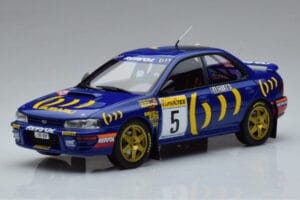
Subaru Impreza #5 C. Sainz / L. Moya 2nd Place Rally Monte Carlo 1995 Kyosho 1:18
Only 1 left
Price:
252.00 €
Last one
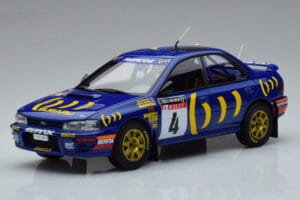
Subaru Impreza #4 C. McRae / D. Ringer Winner RAC Rally 1994 Kyosho 1:18
Only 1 left
Price:
252.00 €
Last one

Toyota Celica GT-Four ST165 #3 B. Waldegard / F. Gallagher Winner Safari Rally 1990 Kyosho 1:18
Only 1 left
Price:
252.00 €
Last one
Toyota Celica GT-Four ST165 #2 C. Sainz / L. Moya Winner Rally Monte Carlo 1991 Kyosho 1:18
Only 1 left
Price:
252.00 €

Last one
Last one
Last one
Recently viewed
{"id":468285,"name":"Nissan Fairlady 240ZG Brown Kyosho 1:18","price":"189.00 €<\/span><\/bdi><\/span>","image":"https:\/\/models118.com\/wp-content\/uploads\/2026\/06\/nissan-fairlady-240zg-marron-kyosho-1-18-400x400.jpg","permalink":"https:\/\/models118.com\/nissan-fairlady-240zg-brown-kyosho-1-18-08217m\/","brand":"Nissan"}