
Nissan Skyline 2000 GT-R KPGC110 Silver Kyosho 1:18
Sold out
1
/
8
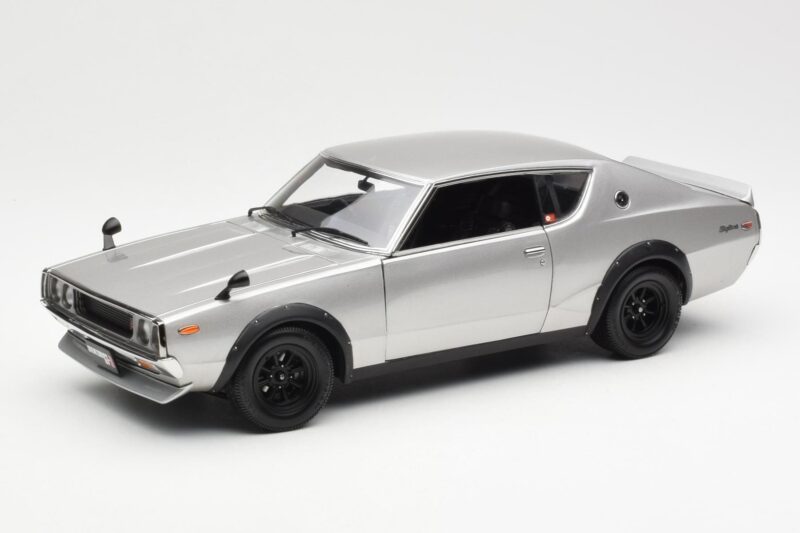
Kyosho's 1:18 diecast Nissan Skyline 2000 GT-R KPGC110 reproduces the silver 1973 Kenmeri coupe, the short-lived generation built before Nissan shelved the GT-R nameplate for over a decade. Correct S20-era stance, opening doors, and period JDM trim make this a genuine rarity anchor for a Japanese performance car collection.
1 / 8
[{"index":0,"id":"455427","thumb":"https:\/\/models118.com\/wp-content\/uploads\/2026\/06\/nissan-skyline-2000-gt-r-kpgc-110-silver-kyosho-1-18-300x200.jpg","medium":"https:\/\/models118.com\/wp-content\/uploads\/2026\/06\/nissan-skyline-2000-gt-r-kpgc-110-silver-kyosho-1-18-800x533.jpg","full":"https:\/\/models118.com\/wp-content\/uploads\/2026\/06\/nissan-skyline-2000-gt-r-kpgc-110-silver-kyosho-1-18.jpg","srcset":"https:\/\/models118.com\/wp-content\/uploads\/2026\/06\/nissan-skyline-2000-gt-r-kpgc-110-silver-kyosho-1-18-800x533.jpg 800w, https:\/\/models118.com\/wp-content\/uploads\/2026\/06\/nissan-skyline-2000-gt-r-kpgc-110-silver-kyosho-1-18-64x43.jpg 64w, https:\/\/models118.com\/wp-content\/uploads\/2026\/06\/nissan-skyline-2000-gt-r-kpgc-110-silver-kyosho-1-18-300x200.jpg 300w, https:\/\/models118.com\/wp-content\/uploads\/2026\/06\/nissan-skyline-2000-gt-r-kpgc-110-silver-kyosho-1-18-480x320.jpg 480w, https:\/\/models118.com\/wp-content\/uploads\/2026\/06\/nissan-skyline-2000-gt-r-kpgc-110-silver-kyosho-1-18.jpg 1800w","sizes":"(max-width: 1023px) 400px, 640px","srcsetAvif":"https:\/\/models118.com\/wp-content\/uploads\/2026\/06\/nissan-skyline-2000-gt-r-kpgc-110-silver-kyosho-1-18-800x533.jpg.avif 800w, https:\/\/models118.com\/wp-content\/uploads\/2026\/06\/nissan-skyline-2000-gt-r-kpgc-110-silver-kyosho-1-18-64x43.jpg.avif 64w, https:\/\/models118.com\/wp-content\/uploads\/2026\/06\/nissan-skyline-2000-gt-r-kpgc-110-silver-kyosho-1-18-300x200.jpg.avif 300w, https:\/\/models118.com\/wp-content\/uploads\/2026\/06\/nissan-skyline-2000-gt-r-kpgc-110-silver-kyosho-1-18-480x320.jpg.avif 480w, https:\/\/models118.com\/wp-content\/uploads\/2026\/06\/nissan-skyline-2000-gt-r-kpgc-110-silver-kyosho-1-18.jpg.avif 1800w","srcsetWebp":"https:\/\/models118.com\/wp-content\/uploads\/2026\/06\/nissan-skyline-2000-gt-r-kpgc-110-silver-kyosho-1-18-800x533.jpg.webp 800w, https:\/\/models118.com\/wp-content\/uploads\/2026\/06\/nissan-skyline-2000-gt-r-kpgc-110-silver-kyosho-1-18-64x43.jpg.webp 64w, https:\/\/models118.com\/wp-content\/uploads\/2026\/06\/nissan-skyline-2000-gt-r-kpgc-110-silver-kyosho-1-18-300x200.jpg.webp 300w, https:\/\/models118.com\/wp-content\/uploads\/2026\/06\/nissan-skyline-2000-gt-r-kpgc-110-silver-kyosho-1-18-480x320.jpg.webp 480w, https:\/\/models118.com\/wp-content\/uploads\/2026\/06\/nissan-skyline-2000-gt-r-kpgc-110-silver-kyosho-1-18.jpg.webp 1800w","alt":"Nissan Skyline 2000 GT-R KPGC110 Silver Kyosho 1:18 08255S Diecast"},{"index":1,"id":455454,"thumb":"https:\/\/models118.com\/wp-content\/uploads\/2026\/06\/nissan-skyline-2000-gt-r-kpgc-110-silver-kyosho-1-18-1-300x200.jpg","medium":"https:\/\/models118.com\/wp-content\/uploads\/2026\/06\/nissan-skyline-2000-gt-r-kpgc-110-silver-kyosho-1-18-1-800x533.jpg","full":"https:\/\/models118.com\/wp-content\/uploads\/2026\/06\/nissan-skyline-2000-gt-r-kpgc-110-silver-kyosho-1-18-1.jpg","srcset":"https:\/\/models118.com\/wp-content\/uploads\/2026\/06\/nissan-skyline-2000-gt-r-kpgc-110-silver-kyosho-1-18-1-800x533.jpg 800w, https:\/\/models118.com\/wp-content\/uploads\/2026\/06\/nissan-skyline-2000-gt-r-kpgc-110-silver-kyosho-1-18-1-64x43.jpg 64w, https:\/\/models118.com\/wp-content\/uploads\/2026\/06\/nissan-skyline-2000-gt-r-kpgc-110-silver-kyosho-1-18-1-300x200.jpg 300w, https:\/\/models118.com\/wp-content\/uploads\/2026\/06\/nissan-skyline-2000-gt-r-kpgc-110-silver-kyosho-1-18-1.jpg 1800w","sizes":"(max-width: 1023px) 400px, 640px","srcsetAvif":"https:\/\/models118.com\/wp-content\/uploads\/2026\/06\/nissan-skyline-2000-gt-r-kpgc-110-silver-kyosho-1-18-1-800x533.jpg.avif 800w, https:\/\/models118.com\/wp-content\/uploads\/2026\/06\/nissan-skyline-2000-gt-r-kpgc-110-silver-kyosho-1-18-1-64x43.jpg.avif 64w, https:\/\/models118.com\/wp-content\/uploads\/2026\/06\/nissan-skyline-2000-gt-r-kpgc-110-silver-kyosho-1-18-1-300x200.jpg.avif 300w, https:\/\/models118.com\/wp-content\/uploads\/2026\/06\/nissan-skyline-2000-gt-r-kpgc-110-silver-kyosho-1-18-1.jpg.avif 1800w","srcsetWebp":"https:\/\/models118.com\/wp-content\/uploads\/2026\/06\/nissan-skyline-2000-gt-r-kpgc-110-silver-kyosho-1-18-1-800x533.jpg.webp 800w, https:\/\/models118.com\/wp-content\/uploads\/2026\/06\/nissan-skyline-2000-gt-r-kpgc-110-silver-kyosho-1-18-1-64x43.jpg.webp 64w, https:\/\/models118.com\/wp-content\/uploads\/2026\/06\/nissan-skyline-2000-gt-r-kpgc-110-silver-kyosho-1-18-1-300x200.jpg.webp 300w, https:\/\/models118.com\/wp-content\/uploads\/2026\/06\/nissan-skyline-2000-gt-r-kpgc-110-silver-kyosho-1-18-1.jpg.webp 1800w","alt":"Nissan Skyline 2000 GT-R KPGC110 Silver Kyosho 1:18 08255S Diecast - image 2 of 8"},{"index":2,"id":455481,"thumb":"https:\/\/models118.com\/wp-content\/uploads\/2026\/06\/nissan-skyline-2000-gt-r-kpgc-110-silver-kyosho-1-18-2-300x200.jpg","medium":"https:\/\/models118.com\/wp-content\/uploads\/2026\/06\/nissan-skyline-2000-gt-r-kpgc-110-silver-kyosho-1-18-2-800x533.jpg","full":"https:\/\/models118.com\/wp-content\/uploads\/2026\/06\/nissan-skyline-2000-gt-r-kpgc-110-silver-kyosho-1-18-2.jpg","srcset":"https:\/\/models118.com\/wp-content\/uploads\/2026\/06\/nissan-skyline-2000-gt-r-kpgc-110-silver-kyosho-1-18-2-800x533.jpg 800w, https:\/\/models118.com\/wp-content\/uploads\/2026\/06\/nissan-skyline-2000-gt-r-kpgc-110-silver-kyosho-1-18-2-64x43.jpg 64w, https:\/\/models118.com\/wp-content\/uploads\/2026\/06\/nissan-skyline-2000-gt-r-kpgc-110-silver-kyosho-1-18-2-300x200.jpg 300w, https:\/\/models118.com\/wp-content\/uploads\/2026\/06\/nissan-skyline-2000-gt-r-kpgc-110-silver-kyosho-1-18-2.jpg 1800w","sizes":"(max-width: 1023px) 400px, 640px","srcsetAvif":"https:\/\/models118.com\/wp-content\/uploads\/2026\/06\/nissan-skyline-2000-gt-r-kpgc-110-silver-kyosho-1-18-2-800x533.jpg.avif 800w, https:\/\/models118.com\/wp-content\/uploads\/2026\/06\/nissan-skyline-2000-gt-r-kpgc-110-silver-kyosho-1-18-2-64x43.jpg.avif 64w, https:\/\/models118.com\/wp-content\/uploads\/2026\/06\/nissan-skyline-2000-gt-r-kpgc-110-silver-kyosho-1-18-2-300x200.jpg.avif 300w, https:\/\/models118.com\/wp-content\/uploads\/2026\/06\/nissan-skyline-2000-gt-r-kpgc-110-silver-kyosho-1-18-2.jpg.avif 1800w","srcsetWebp":"https:\/\/models118.com\/wp-content\/uploads\/2026\/06\/nissan-skyline-2000-gt-r-kpgc-110-silver-kyosho-1-18-2-800x533.jpg.webp 800w, https:\/\/models118.com\/wp-content\/uploads\/2026\/06\/nissan-skyline-2000-gt-r-kpgc-110-silver-kyosho-1-18-2-64x43.jpg.webp 64w, https:\/\/models118.com\/wp-content\/uploads\/2026\/06\/nissan-skyline-2000-gt-r-kpgc-110-silver-kyosho-1-18-2-300x200.jpg.webp 300w, https:\/\/models118.com\/wp-content\/uploads\/2026\/06\/nissan-skyline-2000-gt-r-kpgc-110-silver-kyosho-1-18-2.jpg.webp 1800w","alt":"Nissan Skyline 2000 GT-R KPGC110 Silver Kyosho 1:18 08255S Diecast - image 3 of 8"},{"index":3,"id":455508,"thumb":"https:\/\/models118.com\/wp-content\/uploads\/2026\/06\/nissan-skyline-2000-gt-r-kpgc-110-silver-kyosho-1-18-3-300x200.jpg","medium":"https:\/\/models118.com\/wp-content\/uploads\/2026\/06\/nissan-skyline-2000-gt-r-kpgc-110-silver-kyosho-1-18-3-800x533.jpg","full":"https:\/\/models118.com\/wp-content\/uploads\/2026\/06\/nissan-skyline-2000-gt-r-kpgc-110-silver-kyosho-1-18-3.jpg","srcset":"https:\/\/models118.com\/wp-content\/uploads\/2026\/06\/nissan-skyline-2000-gt-r-kpgc-110-silver-kyosho-1-18-3-800x533.jpg 800w, https:\/\/models118.com\/wp-content\/uploads\/2026\/06\/nissan-skyline-2000-gt-r-kpgc-110-silver-kyosho-1-18-3-64x43.jpg 64w, https:\/\/models118.com\/wp-content\/uploads\/2026\/06\/nissan-skyline-2000-gt-r-kpgc-110-silver-kyosho-1-18-3-300x200.jpg 300w, https:\/\/models118.com\/wp-content\/uploads\/2026\/06\/nissan-skyline-2000-gt-r-kpgc-110-silver-kyosho-1-18-3.jpg 1800w","sizes":"(max-width: 1023px) 400px, 640px","srcsetAvif":"https:\/\/models118.com\/wp-content\/uploads\/2026\/06\/nissan-skyline-2000-gt-r-kpgc-110-silver-kyosho-1-18-3-800x533.jpg.avif 800w, https:\/\/models118.com\/wp-content\/uploads\/2026\/06\/nissan-skyline-2000-gt-r-kpgc-110-silver-kyosho-1-18-3-64x43.jpg.avif 64w, https:\/\/models118.com\/wp-content\/uploads\/2026\/06\/nissan-skyline-2000-gt-r-kpgc-110-silver-kyosho-1-18-3-300x200.jpg.avif 300w, https:\/\/models118.com\/wp-content\/uploads\/2026\/06\/nissan-skyline-2000-gt-r-kpgc-110-silver-kyosho-1-18-3.jpg.avif 1800w","srcsetWebp":"https:\/\/models118.com\/wp-content\/uploads\/2026\/06\/nissan-skyline-2000-gt-r-kpgc-110-silver-kyosho-1-18-3-800x533.jpg.webp 800w, https:\/\/models118.com\/wp-content\/uploads\/2026\/06\/nissan-skyline-2000-gt-r-kpgc-110-silver-kyosho-1-18-3-64x43.jpg.webp 64w, https:\/\/models118.com\/wp-content\/uploads\/2026\/06\/nissan-skyline-2000-gt-r-kpgc-110-silver-kyosho-1-18-3-300x200.jpg.webp 300w, https:\/\/models118.com\/wp-content\/uploads\/2026\/06\/nissan-skyline-2000-gt-r-kpgc-110-silver-kyosho-1-18-3.jpg.webp 1800w","alt":"Nissan Skyline 2000 GT-R KPGC110 Silver Kyosho 1:18 08255S Diecast - image 4 of 8"},{"index":4,"id":455535,"thumb":"https:\/\/models118.com\/wp-content\/uploads\/2026\/06\/nissan-skyline-2000-gt-r-kpgc-110-silver-kyosho-1-18-4-300x200.jpg","medium":"https:\/\/models118.com\/wp-content\/uploads\/2026\/06\/nissan-skyline-2000-gt-r-kpgc-110-silver-kyosho-1-18-4-800x533.jpg","full":"https:\/\/models118.com\/wp-content\/uploads\/2026\/06\/nissan-skyline-2000-gt-r-kpgc-110-silver-kyosho-1-18-4.jpg","srcset":"https:\/\/models118.com\/wp-content\/uploads\/2026\/06\/nissan-skyline-2000-gt-r-kpgc-110-silver-kyosho-1-18-4-800x533.jpg 800w, https:\/\/models118.com\/wp-content\/uploads\/2026\/06\/nissan-skyline-2000-gt-r-kpgc-110-silver-kyosho-1-18-4-64x43.jpg 64w, https:\/\/models118.com\/wp-content\/uploads\/2026\/06\/nissan-skyline-2000-gt-r-kpgc-110-silver-kyosho-1-18-4-300x200.jpg 300w, https:\/\/models118.com\/wp-content\/uploads\/2026\/06\/nissan-skyline-2000-gt-r-kpgc-110-silver-kyosho-1-18-4.jpg 1800w","sizes":"(max-width: 1023px) 400px, 640px","srcsetAvif":"https:\/\/models118.com\/wp-content\/uploads\/2026\/06\/nissan-skyline-2000-gt-r-kpgc-110-silver-kyosho-1-18-4-800x533.jpg.avif 800w, https:\/\/models118.com\/wp-content\/uploads\/2026\/06\/nissan-skyline-2000-gt-r-kpgc-110-silver-kyosho-1-18-4-64x43.jpg.avif 64w, https:\/\/models118.com\/wp-content\/uploads\/2026\/06\/nissan-skyline-2000-gt-r-kpgc-110-silver-kyosho-1-18-4-300x200.jpg.avif 300w, https:\/\/models118.com\/wp-content\/uploads\/2026\/06\/nissan-skyline-2000-gt-r-kpgc-110-silver-kyosho-1-18-4.jpg.avif 1800w","srcsetWebp":"https:\/\/models118.com\/wp-content\/uploads\/2026\/06\/nissan-skyline-2000-gt-r-kpgc-110-silver-kyosho-1-18-4-800x533.jpg.webp 800w, https:\/\/models118.com\/wp-content\/uploads\/2026\/06\/nissan-skyline-2000-gt-r-kpgc-110-silver-kyosho-1-18-4-64x43.jpg.webp 64w, https:\/\/models118.com\/wp-content\/uploads\/2026\/06\/nissan-skyline-2000-gt-r-kpgc-110-silver-kyosho-1-18-4-300x200.jpg.webp 300w, https:\/\/models118.com\/wp-content\/uploads\/2026\/06\/nissan-skyline-2000-gt-r-kpgc-110-silver-kyosho-1-18-4.jpg.webp 1800w","alt":"Nissan Skyline 2000 GT-R KPGC110 Silver Kyosho 1:18 08255S Diecast - image 5 of 8"},{"index":5,"id":455562,"thumb":"https:\/\/models118.com\/wp-content\/uploads\/2026\/06\/nissan-skyline-2000-gt-r-kpgc-110-silver-kyosho-1-18-5-300x200.jpg","medium":"https:\/\/models118.com\/wp-content\/uploads\/2026\/06\/nissan-skyline-2000-gt-r-kpgc-110-silver-kyosho-1-18-5-800x533.jpg","full":"https:\/\/models118.com\/wp-content\/uploads\/2026\/06\/nissan-skyline-2000-gt-r-kpgc-110-silver-kyosho-1-18-5.jpg","srcset":"https:\/\/models118.com\/wp-content\/uploads\/2026\/06\/nissan-skyline-2000-gt-r-kpgc-110-silver-kyosho-1-18-5-800x533.jpg 800w, https:\/\/models118.com\/wp-content\/uploads\/2026\/06\/nissan-skyline-2000-gt-r-kpgc-110-silver-kyosho-1-18-5-64x43.jpg 64w, https:\/\/models118.com\/wp-content\/uploads\/2026\/06\/nissan-skyline-2000-gt-r-kpgc-110-silver-kyosho-1-18-5-300x200.jpg 300w, https:\/\/models118.com\/wp-content\/uploads\/2026\/06\/nissan-skyline-2000-gt-r-kpgc-110-silver-kyosho-1-18-5.jpg 1800w","sizes":"(max-width: 1023px) 400px, 640px","srcsetAvif":"https:\/\/models118.com\/wp-content\/uploads\/2026\/06\/nissan-skyline-2000-gt-r-kpgc-110-silver-kyosho-1-18-5-800x533.jpg.avif 800w, https:\/\/models118.com\/wp-content\/uploads\/2026\/06\/nissan-skyline-2000-gt-r-kpgc-110-silver-kyosho-1-18-5-64x43.jpg.avif 64w, https:\/\/models118.com\/wp-content\/uploads\/2026\/06\/nissan-skyline-2000-gt-r-kpgc-110-silver-kyosho-1-18-5-300x200.jpg.avif 300w, https:\/\/models118.com\/wp-content\/uploads\/2026\/06\/nissan-skyline-2000-gt-r-kpgc-110-silver-kyosho-1-18-5.jpg.avif 1800w","srcsetWebp":"https:\/\/models118.com\/wp-content\/uploads\/2026\/06\/nissan-skyline-2000-gt-r-kpgc-110-silver-kyosho-1-18-5-800x533.jpg.webp 800w, https:\/\/models118.com\/wp-content\/uploads\/2026\/06\/nissan-skyline-2000-gt-r-kpgc-110-silver-kyosho-1-18-5-64x43.jpg.webp 64w, https:\/\/models118.com\/wp-content\/uploads\/2026\/06\/nissan-skyline-2000-gt-r-kpgc-110-silver-kyosho-1-18-5-300x200.jpg.webp 300w, https:\/\/models118.com\/wp-content\/uploads\/2026\/06\/nissan-skyline-2000-gt-r-kpgc-110-silver-kyosho-1-18-5.jpg.webp 1800w","alt":"Nissan Skyline 2000 GT-R KPGC110 Silver Kyosho 1:18 08255S Diecast - image 6 of 8"},{"index":6,"id":455589,"thumb":"https:\/\/models118.com\/wp-content\/uploads\/2026\/06\/nissan-skyline-2000-gt-r-kpgc-110-silver-kyosho-1-18-6-300x200.jpg","medium":"https:\/\/models118.com\/wp-content\/uploads\/2026\/06\/nissan-skyline-2000-gt-r-kpgc-110-silver-kyosho-1-18-6-800x533.jpg","full":"https:\/\/models118.com\/wp-content\/uploads\/2026\/06\/nissan-skyline-2000-gt-r-kpgc-110-silver-kyosho-1-18-6.jpg","srcset":"https:\/\/models118.com\/wp-content\/uploads\/2026\/06\/nissan-skyline-2000-gt-r-kpgc-110-silver-kyosho-1-18-6-800x533.jpg 800w, https:\/\/models118.com\/wp-content\/uploads\/2026\/06\/nissan-skyline-2000-gt-r-kpgc-110-silver-kyosho-1-18-6-64x43.jpg 64w, https:\/\/models118.com\/wp-content\/uploads\/2026\/06\/nissan-skyline-2000-gt-r-kpgc-110-silver-kyosho-1-18-6-300x200.jpg 300w, https:\/\/models118.com\/wp-content\/uploads\/2026\/06\/nissan-skyline-2000-gt-r-kpgc-110-silver-kyosho-1-18-6.jpg 1800w","sizes":"(max-width: 1023px) 400px, 640px","srcsetAvif":"https:\/\/models118.com\/wp-content\/uploads\/2026\/06\/nissan-skyline-2000-gt-r-kpgc-110-silver-kyosho-1-18-6-800x533.jpg.avif 800w, https:\/\/models118.com\/wp-content\/uploads\/2026\/06\/nissan-skyline-2000-gt-r-kpgc-110-silver-kyosho-1-18-6-64x43.jpg.avif 64w, https:\/\/models118.com\/wp-content\/uploads\/2026\/06\/nissan-skyline-2000-gt-r-kpgc-110-silver-kyosho-1-18-6-300x200.jpg.avif 300w, https:\/\/models118.com\/wp-content\/uploads\/2026\/06\/nissan-skyline-2000-gt-r-kpgc-110-silver-kyosho-1-18-6.jpg.avif 1800w","srcsetWebp":"https:\/\/models118.com\/wp-content\/uploads\/2026\/06\/nissan-skyline-2000-gt-r-kpgc-110-silver-kyosho-1-18-6-800x533.jpg.webp 800w, https:\/\/models118.com\/wp-content\/uploads\/2026\/06\/nissan-skyline-2000-gt-r-kpgc-110-silver-kyosho-1-18-6-64x43.jpg.webp 64w, https:\/\/models118.com\/wp-content\/uploads\/2026\/06\/nissan-skyline-2000-gt-r-kpgc-110-silver-kyosho-1-18-6-300x200.jpg.webp 300w, https:\/\/models118.com\/wp-content\/uploads\/2026\/06\/nissan-skyline-2000-gt-r-kpgc-110-silver-kyosho-1-18-6.jpg.webp 1800w","alt":"Nissan Skyline 2000 GT-R KPGC110 Silver Kyosho 1:18 08255S Diecast - image 7 of 8"},{"index":7,"id":455616,"thumb":"https:\/\/models118.com\/wp-content\/uploads\/2026\/06\/nissan-skyline-2000-gt-r-kpgc-110-silver-kyosho-1-18-7-300x200.jpg","medium":"https:\/\/models118.com\/wp-content\/uploads\/2026\/06\/nissan-skyline-2000-gt-r-kpgc-110-silver-kyosho-1-18-7-800x533.jpg","full":"https:\/\/models118.com\/wp-content\/uploads\/2026\/06\/nissan-skyline-2000-gt-r-kpgc-110-silver-kyosho-1-18-7.jpg","srcset":"https:\/\/models118.com\/wp-content\/uploads\/2026\/06\/nissan-skyline-2000-gt-r-kpgc-110-silver-kyosho-1-18-7-800x533.jpg 800w, https:\/\/models118.com\/wp-content\/uploads\/2026\/06\/nissan-skyline-2000-gt-r-kpgc-110-silver-kyosho-1-18-7-64x43.jpg 64w, https:\/\/models118.com\/wp-content\/uploads\/2026\/06\/nissan-skyline-2000-gt-r-kpgc-110-silver-kyosho-1-18-7-300x200.jpg 300w, https:\/\/models118.com\/wp-content\/uploads\/2026\/06\/nissan-skyline-2000-gt-r-kpgc-110-silver-kyosho-1-18-7.jpg 1800w","sizes":"(max-width: 1023px) 400px, 640px","srcsetAvif":"https:\/\/models118.com\/wp-content\/uploads\/2026\/06\/nissan-skyline-2000-gt-r-kpgc-110-silver-kyosho-1-18-7-800x533.jpg.avif 800w, https:\/\/models118.com\/wp-content\/uploads\/2026\/06\/nissan-skyline-2000-gt-r-kpgc-110-silver-kyosho-1-18-7-64x43.jpg.avif 64w, https:\/\/models118.com\/wp-content\/uploads\/2026\/06\/nissan-skyline-2000-gt-r-kpgc-110-silver-kyosho-1-18-7-300x200.jpg.avif 300w, https:\/\/models118.com\/wp-content\/uploads\/2026\/06\/nissan-skyline-2000-gt-r-kpgc-110-silver-kyosho-1-18-7.jpg.avif 1800w","srcsetWebp":"https:\/\/models118.com\/wp-content\/uploads\/2026\/06\/nissan-skyline-2000-gt-r-kpgc-110-silver-kyosho-1-18-7-800x533.jpg.webp 800w, https:\/\/models118.com\/wp-content\/uploads\/2026\/06\/nissan-skyline-2000-gt-r-kpgc-110-silver-kyosho-1-18-7-64x43.jpg.webp 64w, https:\/\/models118.com\/wp-content\/uploads\/2026\/06\/nissan-skyline-2000-gt-r-kpgc-110-silver-kyosho-1-18-7-300x200.jpg.webp 300w, https:\/\/models118.com\/wp-content\/uploads\/2026\/06\/nissan-skyline-2000-gt-r-kpgc-110-silver-kyosho-1-18-7.jpg.webp 1800w","alt":"Nissan Skyline 2000 GT-R KPGC110 Silver Kyosho 1:18 08255S Diecast - image 8 of 8"}]
Nissan Skyline 2000 GT-R KPGC110 Silver Kyosho 1:18
Current price:
195.00 €
Sold out
This model is currently sold out. Enter your email and we'll let you know when it's back in stock.
Shipping to 79 countries
Worldwide delivery
Prices incl. 23% VAT
No hidden costs
Shipping rates by country
Tracked & insured
Pay in EUR €
Local currency
Specifications
- Brand
- Nissan
- Manufacturer
- Kyosho
- Scale
- 1:18
- Material
- Diecast
- Model Condition
- Used Model
- SKU
- 08255S
- Year
- 1973
- Era
- 1970s
- Body Type
- Coupe
- Vehicle Class
- JDM Sports
- Openable Parts
- Yes
- Packaging Condition
- Traces of Storage
- Model Type
- Street Models
- EAN / GTIN
- 4548565409167
100% authentic
5-layer carton
Foam-filled interior
Easy returns
14 days, no questions asked
Secure payment
256-bit SSL encryption
About the Nissan Skyline 2000 GT-R KPGC110 Silver Kyosho 1:18
TL;DR: Kyosho's 1:18 diecast Nissan Skyline 2000 GT-R KPGC110 reproduces the silver 1973 Kenmeri coupe, the short-lived GT-R generation Nissan built before shelving the nameplate for over a decade. Opening doors and correct S20-era stance anchor a JDM collection. A genuine rarity subject at mid-tier diecast pricing.
The Kenmeri GT-R lasted barely a year in production before Nissan pulled the badge entirely, a casualty of the 1973 oil crisis and tightening emissions rules. Kyosho treats that brief, keenly studied run with real seriousness, and this silver coupe is built to reward the kind of close inspection JDM collectors bring to it.
Kyosho's KPGC110 Diecast Build and JDM Detail
Body Construction and Opening Features
Kyosho builds this KPGC110 in diecast with doors, hood, and trunk that open on metal hinges, giving access to a cabin laid out with the correct period dashboard and bucket seats. The panel gaps stay tight and consistent around the flared rear arches, a shape unique to the Kenmeri body that distinguishes it at a glance from the earlier Hakosuka GT-R. Kyosho has built a strong reputation specifically around Japanese performance cars of this era, and the attention shows in details other manufacturers often simplify, like the correctly shaped rear quarter louvers. At this scale the flared rear arches read clearly from typical shelf viewing distance, a detail that gets lost on smaller 1:43 castings.
Silver Finish and S20-Era Trim
The silver paint sits flat and even across the long hood and fastback roofline, with chrome bumpers and the signature quad round taillights picked out cleanly rather than blurred into the body color. Wheels carry the period-correct offset beneath the flared arches, keeping the stance planted rather than perched high. Under direct display lighting, the silver reads with a faint warmth rather than a stark white-metal cast, a subtle but accurate distinction from generic silver tones used on lesser models. Kyosho's mid-tier diecast positioning shows here: the finish quality on visible surfaces matches pricier limited runs, even where underbody detail stays simplified.
The Kenmeri GT-R's Short, Significant Run
A Nameplate Cut Short by Circumstance
Nissan introduced the KPGC110 generation in 1973 as the direct successor to the Hakosuka GT-R, carrying over the same twin-cam inline-six engine architecture. The timing could not have been worse: the 1973 oil crisis arrived almost immediately, and tightening Japanese emissions regulations made the high-strung engine increasingly difficult to justify. Nissan halted GT-R production within the same year and did not revive the nameplate for well over a decade, making the KPGC110 an accidental full stop on the badge's first era rather than a planned conclusion.
Why the KPGC110 Commands Collector Attention
That abrupt ending is exactly what gives the Kenmeri its standing among JDM enthusiasts today: a genuinely rare production run, cut off before Nissan or the market had time to fully appreciate it, followed by a decade-long gap that only sharpened interest in period examples. A well-executed 1:18 replica is, for most collectors, the closest practical way to study the KPGC110's proportions and detailing without chasing an increasingly scarce and expensive real car.
Anchoring a JDM Shelf with a Genuine Rarity
This KPGC110 works as a natural bridge piece between an earlier Hakosuka GT-R and the later R32-onward generation that revived the badge, filling a gap in the nameplate's story that many collections otherwise skip. At roughly 21 centimeters in 1:18, it holds its own beside other JDM coupes from the same decade. For a Japanese performance shelf built around genuine automotive history rather than just recognizable badges, the Kenmeri's short production run and its abrupt disappearance make it one of the more meaningful subjects available at this scale. Keep it out of direct sun to preserve the silver's subtle warmth over years of display.
From the same collection
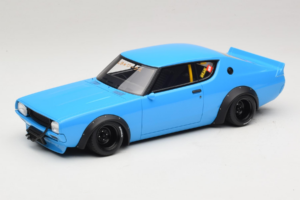
Nissan Skyline GT-R BNR34 by KRC Pearl White Otto 1:18
Price:
100.00 €


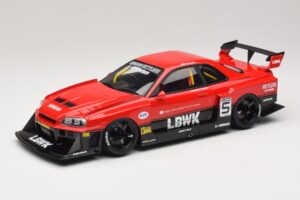
Nissan Silvia S15 LB Super Silhouette White GT Spirit 1:18
Price:
105.00 €
Collectors also bought
Browse all 1:18
Last one
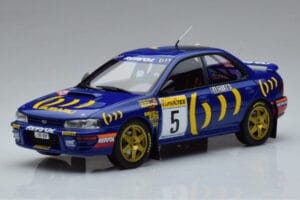
Subaru Impreza #5 C. Sainz / L. Moya 2nd Place Rally Monte Carlo 1995 Kyosho 1:18
Only 1 left
Price:
252.00 €
Last one
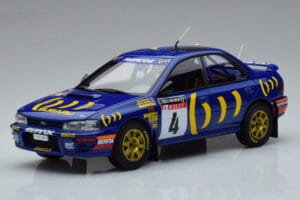
Subaru Impreza #4 C. McRae / D. Ringer Winner RAC Rally 1994 Kyosho 1:18
Only 1 left
Price:
252.00 €
Last one

Toyota Celica GT-Four ST165 #3 B. Waldegard / F. Gallagher Winner Safari Rally 1990 Kyosho 1:18
Only 1 left
Price:
252.00 €
Last one
Toyota Celica GT-Four ST165 #2 C. Sainz / L. Moya Winner Rally Monte Carlo 1991 Kyosho 1:18
Only 1 left
Price:
252.00 €

Last one
Last one
Last one
Recently viewed
{"id":455643,"name":"Nissan Skyline 2000 GT-R KPGC110 Silver Kyosho 1:18","price":"195.00 €<\/span><\/bdi><\/span>","image":"https:\/\/models118.com\/wp-content\/uploads\/2026\/06\/nissan-skyline-2000-gt-r-kpgc-110-silver-kyosho-1-18-400x400.jpg","permalink":"https:\/\/models118.com\/nissan-skyline-2000-gt-r-kpgc110-silver-kyosho-1-18-08255s\/","brand":"Nissan"}