Porsche 356 Pre-A #200 J. Evans Solido 1:18
Sold out

1
/
6
Solido's 1:18 diecast Porsche 356 Pre-A wears the #200 racing livery of J. Evans, reproducing one of Porsche's earliest competition shapes. A compact-scale centerpiece for a vintage motorsport display.
1 / 6
[{"index":0,"id":"1593891","thumb":"https:\/\/models118.com\/wp-content\/uploads\/2026\/06\/porsche-356-pre-a-j-evans-n200-solido-1-18-300x200.png","medium":"https:\/\/models118.com\/wp-content\/uploads\/2026\/06\/porsche-356-pre-a-j-evans-n200-solido-1-18-800x533.png","full":"https:\/\/models118.com\/wp-content\/uploads\/2026\/06\/porsche-356-pre-a-j-evans-n200-solido-1-18.png","srcset":"https:\/\/models118.com\/wp-content\/uploads\/2026\/06\/porsche-356-pre-a-j-evans-n200-solido-1-18-800x533.png 800w, https:\/\/models118.com\/wp-content\/uploads\/2026\/06\/porsche-356-pre-a-j-evans-n200-solido-1-18-64x43.png 64w, https:\/\/models118.com\/wp-content\/uploads\/2026\/06\/porsche-356-pre-a-j-evans-n200-solido-1-18-300x200.png 300w, https:\/\/models118.com\/wp-content\/uploads\/2026\/06\/porsche-356-pre-a-j-evans-n200-solido-1-18-480x320.png 480w, https:\/\/models118.com\/wp-content\/uploads\/2026\/06\/porsche-356-pre-a-j-evans-n200-solido-1-18.png 1800w","sizes":"(max-width: 1023px) 400px, 640px","srcsetAvif":"https:\/\/models118.com\/wp-content\/uploads\/2026\/06\/porsche-356-pre-a-j-evans-n200-solido-1-18-800x533.png.avif 800w, https:\/\/models118.com\/wp-content\/uploads\/2026\/06\/porsche-356-pre-a-j-evans-n200-solido-1-18-64x43.png.avif 64w, https:\/\/models118.com\/wp-content\/uploads\/2026\/06\/porsche-356-pre-a-j-evans-n200-solido-1-18-300x200.png.avif 300w, https:\/\/models118.com\/wp-content\/uploads\/2026\/06\/porsche-356-pre-a-j-evans-n200-solido-1-18-480x320.png.avif 480w, https:\/\/models118.com\/wp-content\/uploads\/2026\/06\/porsche-356-pre-a-j-evans-n200-solido-1-18.png.avif 1800w","srcsetWebp":"https:\/\/models118.com\/wp-content\/uploads\/2026\/06\/porsche-356-pre-a-j-evans-n200-solido-1-18-800x533.png.webp 800w, https:\/\/models118.com\/wp-content\/uploads\/2026\/06\/porsche-356-pre-a-j-evans-n200-solido-1-18-64x43.png.webp 64w, https:\/\/models118.com\/wp-content\/uploads\/2026\/06\/porsche-356-pre-a-j-evans-n200-solido-1-18-300x200.png.webp 300w, https:\/\/models118.com\/wp-content\/uploads\/2026\/06\/porsche-356-pre-a-j-evans-n200-solido-1-18-480x320.png.webp 480w, https:\/\/models118.com\/wp-content\/uploads\/2026\/06\/porsche-356-pre-a-j-evans-n200-solido-1-18.png.webp 1800w","alt":"Porsche 356 Pre-A #200 J. Evans Solido 1:18 S1802801 Diecast"},{"index":1,"id":1593999,"thumb":"https:\/\/models118.com\/wp-content\/uploads\/2026\/06\/porsche-356-pre-a-j-evans-n200-solido-1-18-1-300x200.png","medium":"https:\/\/models118.com\/wp-content\/uploads\/2026\/06\/porsche-356-pre-a-j-evans-n200-solido-1-18-1-800x533.png","full":"https:\/\/models118.com\/wp-content\/uploads\/2026\/06\/porsche-356-pre-a-j-evans-n200-solido-1-18-1.png","srcset":"https:\/\/models118.com\/wp-content\/uploads\/2026\/06\/porsche-356-pre-a-j-evans-n200-solido-1-18-1-800x533.png 800w, https:\/\/models118.com\/wp-content\/uploads\/2026\/06\/porsche-356-pre-a-j-evans-n200-solido-1-18-1-64x43.png 64w, https:\/\/models118.com\/wp-content\/uploads\/2026\/06\/porsche-356-pre-a-j-evans-n200-solido-1-18-1-300x200.png 300w, https:\/\/models118.com\/wp-content\/uploads\/2026\/06\/porsche-356-pre-a-j-evans-n200-solido-1-18-1.png 1800w","sizes":"(max-width: 1023px) 400px, 640px","srcsetAvif":"https:\/\/models118.com\/wp-content\/uploads\/2026\/06\/porsche-356-pre-a-j-evans-n200-solido-1-18-1-800x533.png.avif 800w, https:\/\/models118.com\/wp-content\/uploads\/2026\/06\/porsche-356-pre-a-j-evans-n200-solido-1-18-1-64x43.png.avif 64w, https:\/\/models118.com\/wp-content\/uploads\/2026\/06\/porsche-356-pre-a-j-evans-n200-solido-1-18-1-300x200.png.avif 300w, https:\/\/models118.com\/wp-content\/uploads\/2026\/06\/porsche-356-pre-a-j-evans-n200-solido-1-18-1.png.avif 1800w","srcsetWebp":"https:\/\/models118.com\/wp-content\/uploads\/2026\/06\/porsche-356-pre-a-j-evans-n200-solido-1-18-1-800x533.png.webp 800w, https:\/\/models118.com\/wp-content\/uploads\/2026\/06\/porsche-356-pre-a-j-evans-n200-solido-1-18-1-64x43.png.webp 64w, https:\/\/models118.com\/wp-content\/uploads\/2026\/06\/porsche-356-pre-a-j-evans-n200-solido-1-18-1-300x200.png.webp 300w, https:\/\/models118.com\/wp-content\/uploads\/2026\/06\/porsche-356-pre-a-j-evans-n200-solido-1-18-1.png.webp 1800w","alt":"Porsche 356 Pre-A #200 J. Evans Solido 1:18 S1802801 Diecast - image 2 of 6"},{"index":2,"id":1594104,"thumb":"https:\/\/models118.com\/wp-content\/uploads\/2026\/06\/porsche-356-pre-a-j-evans-n200-solido-1-18-2-300x200.png","medium":"https:\/\/models118.com\/wp-content\/uploads\/2026\/06\/porsche-356-pre-a-j-evans-n200-solido-1-18-2-800x533.png","full":"https:\/\/models118.com\/wp-content\/uploads\/2026\/06\/porsche-356-pre-a-j-evans-n200-solido-1-18-2.png","srcset":"https:\/\/models118.com\/wp-content\/uploads\/2026\/06\/porsche-356-pre-a-j-evans-n200-solido-1-18-2-800x533.png 800w, https:\/\/models118.com\/wp-content\/uploads\/2026\/06\/porsche-356-pre-a-j-evans-n200-solido-1-18-2-64x43.png 64w, https:\/\/models118.com\/wp-content\/uploads\/2026\/06\/porsche-356-pre-a-j-evans-n200-solido-1-18-2-300x200.png 300w, https:\/\/models118.com\/wp-content\/uploads\/2026\/06\/porsche-356-pre-a-j-evans-n200-solido-1-18-2.png 1800w","sizes":"(max-width: 1023px) 400px, 640px","srcsetAvif":"https:\/\/models118.com\/wp-content\/uploads\/2026\/06\/porsche-356-pre-a-j-evans-n200-solido-1-18-2-800x533.png.avif 800w, https:\/\/models118.com\/wp-content\/uploads\/2026\/06\/porsche-356-pre-a-j-evans-n200-solido-1-18-2-64x43.png.avif 64w, https:\/\/models118.com\/wp-content\/uploads\/2026\/06\/porsche-356-pre-a-j-evans-n200-solido-1-18-2-300x200.png.avif 300w, https:\/\/models118.com\/wp-content\/uploads\/2026\/06\/porsche-356-pre-a-j-evans-n200-solido-1-18-2.png.avif 1800w","srcsetWebp":"https:\/\/models118.com\/wp-content\/uploads\/2026\/06\/porsche-356-pre-a-j-evans-n200-solido-1-18-2-800x533.png.webp 800w, https:\/\/models118.com\/wp-content\/uploads\/2026\/06\/porsche-356-pre-a-j-evans-n200-solido-1-18-2-64x43.png.webp 64w, https:\/\/models118.com\/wp-content\/uploads\/2026\/06\/porsche-356-pre-a-j-evans-n200-solido-1-18-2-300x200.png.webp 300w, https:\/\/models118.com\/wp-content\/uploads\/2026\/06\/porsche-356-pre-a-j-evans-n200-solido-1-18-2.png.webp 1800w","alt":"Porsche 356 Pre-A #200 J. Evans Solido 1:18 S1802801 Diecast - image 3 of 6"},{"index":3,"id":1594195,"thumb":"https:\/\/models118.com\/wp-content\/uploads\/2026\/06\/porsche-356-pre-a-j-evans-n200-solido-1-18-3-300x200.png","medium":"https:\/\/models118.com\/wp-content\/uploads\/2026\/06\/porsche-356-pre-a-j-evans-n200-solido-1-18-3-800x533.png","full":"https:\/\/models118.com\/wp-content\/uploads\/2026\/06\/porsche-356-pre-a-j-evans-n200-solido-1-18-3.png","srcset":"https:\/\/models118.com\/wp-content\/uploads\/2026\/06\/porsche-356-pre-a-j-evans-n200-solido-1-18-3-800x533.png 800w, https:\/\/models118.com\/wp-content\/uploads\/2026\/06\/porsche-356-pre-a-j-evans-n200-solido-1-18-3-64x43.png 64w, https:\/\/models118.com\/wp-content\/uploads\/2026\/06\/porsche-356-pre-a-j-evans-n200-solido-1-18-3-300x200.png 300w, https:\/\/models118.com\/wp-content\/uploads\/2026\/06\/porsche-356-pre-a-j-evans-n200-solido-1-18-3.png 1800w","sizes":"(max-width: 1023px) 400px, 640px","srcsetAvif":"https:\/\/models118.com\/wp-content\/uploads\/2026\/06\/porsche-356-pre-a-j-evans-n200-solido-1-18-3-800x533.png.avif 800w, https:\/\/models118.com\/wp-content\/uploads\/2026\/06\/porsche-356-pre-a-j-evans-n200-solido-1-18-3-64x43.png.avif 64w, https:\/\/models118.com\/wp-content\/uploads\/2026\/06\/porsche-356-pre-a-j-evans-n200-solido-1-18-3-300x200.png.avif 300w, https:\/\/models118.com\/wp-content\/uploads\/2026\/06\/porsche-356-pre-a-j-evans-n200-solido-1-18-3.png.avif 1800w","srcsetWebp":"https:\/\/models118.com\/wp-content\/uploads\/2026\/06\/porsche-356-pre-a-j-evans-n200-solido-1-18-3-800x533.png.webp 800w, https:\/\/models118.com\/wp-content\/uploads\/2026\/06\/porsche-356-pre-a-j-evans-n200-solido-1-18-3-64x43.png.webp 64w, https:\/\/models118.com\/wp-content\/uploads\/2026\/06\/porsche-356-pre-a-j-evans-n200-solido-1-18-3-300x200.png.webp 300w, https:\/\/models118.com\/wp-content\/uploads\/2026\/06\/porsche-356-pre-a-j-evans-n200-solido-1-18-3.png.webp 1800w","alt":"Porsche 356 Pre-A #200 J. Evans Solido 1:18 S1802801 Diecast - image 4 of 6"},{"index":4,"id":1594301,"thumb":"https:\/\/models118.com\/wp-content\/uploads\/2026\/06\/porsche-356-pre-a-j-evans-n200-solido-1-18-4-300x200.png","medium":"https:\/\/models118.com\/wp-content\/uploads\/2026\/06\/porsche-356-pre-a-j-evans-n200-solido-1-18-4-800x533.png","full":"https:\/\/models118.com\/wp-content\/uploads\/2026\/06\/porsche-356-pre-a-j-evans-n200-solido-1-18-4.png","srcset":"https:\/\/models118.com\/wp-content\/uploads\/2026\/06\/porsche-356-pre-a-j-evans-n200-solido-1-18-4-800x533.png 800w, https:\/\/models118.com\/wp-content\/uploads\/2026\/06\/porsche-356-pre-a-j-evans-n200-solido-1-18-4-64x43.png 64w, https:\/\/models118.com\/wp-content\/uploads\/2026\/06\/porsche-356-pre-a-j-evans-n200-solido-1-18-4-300x200.png 300w, https:\/\/models118.com\/wp-content\/uploads\/2026\/06\/porsche-356-pre-a-j-evans-n200-solido-1-18-4.png 1800w","sizes":"(max-width: 1023px) 400px, 640px","srcsetAvif":"https:\/\/models118.com\/wp-content\/uploads\/2026\/06\/porsche-356-pre-a-j-evans-n200-solido-1-18-4-800x533.png.avif 800w, https:\/\/models118.com\/wp-content\/uploads\/2026\/06\/porsche-356-pre-a-j-evans-n200-solido-1-18-4-64x43.png.avif 64w, https:\/\/models118.com\/wp-content\/uploads\/2026\/06\/porsche-356-pre-a-j-evans-n200-solido-1-18-4-300x200.png.avif 300w, https:\/\/models118.com\/wp-content\/uploads\/2026\/06\/porsche-356-pre-a-j-evans-n200-solido-1-18-4.png.avif 1800w","srcsetWebp":"https:\/\/models118.com\/wp-content\/uploads\/2026\/06\/porsche-356-pre-a-j-evans-n200-solido-1-18-4-800x533.png.webp 800w, https:\/\/models118.com\/wp-content\/uploads\/2026\/06\/porsche-356-pre-a-j-evans-n200-solido-1-18-4-64x43.png.webp 64w, https:\/\/models118.com\/wp-content\/uploads\/2026\/06\/porsche-356-pre-a-j-evans-n200-solido-1-18-4-300x200.png.webp 300w, https:\/\/models118.com\/wp-content\/uploads\/2026\/06\/porsche-356-pre-a-j-evans-n200-solido-1-18-4.png.webp 1800w","alt":"Porsche 356 Pre-A #200 J. Evans Solido 1:18 S1802801 Diecast - image 5 of 6"},{"index":5,"id":1594378,"thumb":"https:\/\/models118.com\/wp-content\/uploads\/2026\/06\/porsche-356-pre-a-j-evans-n200-solido-1-18-5-300x200.png","medium":"https:\/\/models118.com\/wp-content\/uploads\/2026\/06\/porsche-356-pre-a-j-evans-n200-solido-1-18-5-800x533.png","full":"https:\/\/models118.com\/wp-content\/uploads\/2026\/06\/porsche-356-pre-a-j-evans-n200-solido-1-18-5.png","srcset":"https:\/\/models118.com\/wp-content\/uploads\/2026\/06\/porsche-356-pre-a-j-evans-n200-solido-1-18-5-800x533.png 800w, https:\/\/models118.com\/wp-content\/uploads\/2026\/06\/porsche-356-pre-a-j-evans-n200-solido-1-18-5-64x43.png 64w, https:\/\/models118.com\/wp-content\/uploads\/2026\/06\/porsche-356-pre-a-j-evans-n200-solido-1-18-5-300x200.png 300w, https:\/\/models118.com\/wp-content\/uploads\/2026\/06\/porsche-356-pre-a-j-evans-n200-solido-1-18-5.png 1800w","sizes":"(max-width: 1023px) 400px, 640px","srcsetAvif":"https:\/\/models118.com\/wp-content\/uploads\/2026\/06\/porsche-356-pre-a-j-evans-n200-solido-1-18-5-800x533.png.avif 800w, https:\/\/models118.com\/wp-content\/uploads\/2026\/06\/porsche-356-pre-a-j-evans-n200-solido-1-18-5-64x43.png.avif 64w, https:\/\/models118.com\/wp-content\/uploads\/2026\/06\/porsche-356-pre-a-j-evans-n200-solido-1-18-5-300x200.png.avif 300w, https:\/\/models118.com\/wp-content\/uploads\/2026\/06\/porsche-356-pre-a-j-evans-n200-solido-1-18-5.png.avif 1800w","srcsetWebp":"https:\/\/models118.com\/wp-content\/uploads\/2026\/06\/porsche-356-pre-a-j-evans-n200-solido-1-18-5-800x533.png.webp 800w, https:\/\/models118.com\/wp-content\/uploads\/2026\/06\/porsche-356-pre-a-j-evans-n200-solido-1-18-5-64x43.png.webp 64w, https:\/\/models118.com\/wp-content\/uploads\/2026\/06\/porsche-356-pre-a-j-evans-n200-solido-1-18-5-300x200.png.webp 300w, https:\/\/models118.com\/wp-content\/uploads\/2026\/06\/porsche-356-pre-a-j-evans-n200-solido-1-18-5.png.webp 1800w","alt":"Porsche 356 Pre-A #200 J. Evans Solido 1:18 S1802801 Diecast - image 6 of 6"}]
Porsche 356 Pre-A #200 J. Evans Solido 1:18
Current price:
94.00 €
Sold out
This model is currently sold out. Enter your email and we'll let you know when it's back in stock.
Shipping to 79 countries
Worldwide delivery
Prices incl. 23% VAT
No hidden costs
Shipping rates by country
Tracked & insured
Pay in EUR €
Local currency
Specifications
- Brand
- Porsche
- Manufacturer
- Solido
- Scale
- 1:18
- Material
- Diecast
- Model Condition
- Used Model
- SKU
- S1802801
- Year
- 1953
- Era
- 1950s
- Body Type
- GT Models
- Vehicle Class
- Historic GT & GTE
- Openable Parts
- Yes
- Packaging Condition
- Traces of Storage
- Model Type
- Race Models
- EAN / GTIN
- 3663506004865
100% authentic
5-layer carton
Foam-filled interior
Easy returns
14 days, no questions asked
Secure payment
256-bit SSL encryption
About the Porsche 356 Pre-A #200 J. Evans Solido 1:18
TL;DR: Solido's 1:18 diecast Porsche 356 Pre-A carries the #200 racing livery associated with driver J. Evans, reproducing Porsche's rounded early competition shape from the 1950s. At around 20cm, it suits a vintage motorsport display built around Porsche's formative decade.
The Pre-A 356, built before Porsche standardized its naming in 1955, has a softer, more rounded body than later 356 variants, and that shape is part of what makes early race liveries on it look distinctive today.
Solido's Approach to an Early Porsche Shape
The Pre-A's curved nose and split or bent windshield set it apart from the later, sharper 356 A and B cars, and Solido's 1:18 diecast tooling captures that rounder profile rather than retrofitting later styling cues. The #200 number board and period livery are applied with the kind of tampo printing that keeps edges sharp at this scale, important on a subject where the graphics, not the paint color, carry most of the visual identity. Zinc alloy construction gives the model believable weight, and the compact GT proportions of the 356 make it a denser, more substantial piece in hand than its modest footprint suggests. This is a diecast built for a specific historical livery rather than a generic "vintage Porsche" stand-in.
An Early Chapter in Porsche's Competition Story
Porsche built its early motorsport reputation on cars like this, lightweight and underpowered by modern standards but competitive against similarly modest rivals in club and endurance racing through the early 1950s. A numbered, liveried Pre-A like this one represents that grassroots-to-factory period before Porsche's racing program became the institution it is today. Displayed alongside later 356s or early 911s, it shows how directly Porsche's competition identity grew out of cars that looked almost ordinary. For a collector tracing Porsche's motorsport lineage from the very beginning, this is a reasonable, honest starting point rather than a headline piece.
From the same collection
Last one
Used
Last one
Back in stock
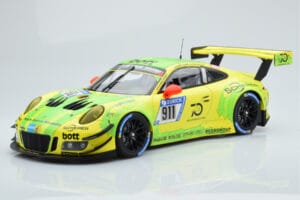
Porsche 911 GT3 R Manthey Racing #911 F. Scherer / K. Estre / R. Dumas / L. Vanthoor / E. Bamber 24 Hours of Nurburgring 2018 Minichamps 1:18
Only 1 left
Price:
137.00 €
Last one
Back in stock
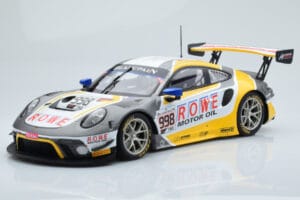
Porsche 911 GT3 R Rowe Racing #998 F. Makowiecki / A. Pilet / N. Tandy 2nd Place 24 Hours of Spa-Francorchamps 2019 Minichamps 1:18
Only 1 left
Price:
108.00 €
Last one
Used
Back in stock
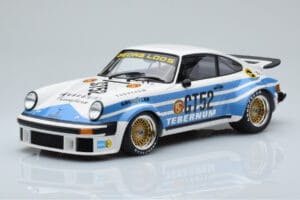
Porsche 911 934 Tebernum Racing Team #52 T. Schenken Nurburgring 300km 1976 Minichamps 1:18
Only 1 left
Price:
147.00 €
Last one
Used
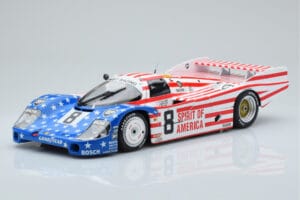
Porsche 956L Spirit of America #8 G. Follmer / J. Morton / K. Miller 24 Hours of Le Mans 1986 Minichamps 1:18
Only 1 left
Price:
119.00 €
Collectors also bought
Browse all 1:18
Used

Last one
Used
Last one
Used

Last one
Used

Last one
Used
Back in stock

Last one
Used

Last one
Used
Last one
Used

Recently viewed
{"id":1594480,"name":"Porsche 356 Pre-A #200 J. Evans Solido 1:18","price":"94.00 €<\/span><\/bdi><\/span>","image":"https:\/\/models118.com\/wp-content\/uploads\/2026\/06\/porsche-356-pre-a-j-evans-n200-solido-1-18-400x400.png","permalink":"https:\/\/models118.com\/porsche-356-pre-a-200-j-evans-solido-1-18-s1802801\/","brand":"Porsche"}