New arrival

Porsche 911 964 RWB Kashiwa Blue GT Spirit 1:18
Price:
105.00 €
Resin models trade opening doors and hoods for something collectors value more at close range: razor-sharp panel lines and a factory-finished surface with no hinge clearance to compromise it. This collection spans tuner builds, hot hatches, Formula One, and modern classics across 1:43, 1:18, and 1:12, produced by specialists who work exclusively in the material.





































































TL;DR: Resin scale models are sealed, factory-painted collectibles built in small-batch runs at 1:43, 1:18, and 1:12, chosen for razor-sharp panel lines rather than opening features. Coverage here spans tuner cars, hot hatches, Formula One, and premium sports subjects from the 1980s to the 2020s.
Resin is a construction choice, not a quality tier, and understanding what it trades away explains why specialists keep choosing it. A sealed resin body holds tighter shut lines than any opening diecast can manage, because nothing needs clearance to swing open. That single decision shapes everything else about how a resin model looks, feels, and displays.
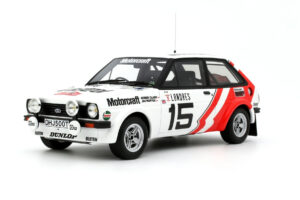
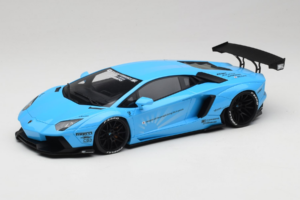
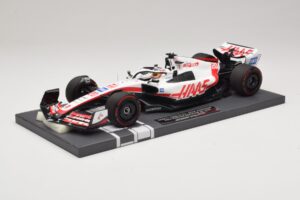
Resin producers tend to specialize by subject rather than chasing broad marque coverage. GT Spirit builds its catalog around tuner and modified-car subjects, the kind of aftermarket bodywork and wheel combinations that volume diecast rarely bothers reproducing. Otto applies the same sealed-body approach to hot hatches and modern classics, subjects with strong enthusiast followings but limited mainstream demand. BoS Models, a German producer, covers an unusually wide marque spread, including subjects other manufacturers treat as too niche to justify a diecast tool. Spark concentrates on motorsport, particularly Formula One and endurance racing, where 1:43 resin lets a collector document an entire season's grid at a scale no diecast producer matches for breadth.
A resin body is cast as a single sealed shell, then hand-finished and painted before assembly. There are no doors, hoods, or trunks to open, and that limitation is the point rather than a shortcoming: without hinges to accommodate, the panel gaps stay as tight as the original tooling allows, and the paint sits on a surface with none of the seam lines that opening mechanisms require. Resin pieces also run lighter than diecast of the same scale, which matters less for handling and more for how the model sits on a shelf. Runs tend to be smaller than diecast production, which is part of why resin subjects can document niche variants that would never justify a mass-market tool.
Neither material is superior; each answers a different collecting priority. Diecast rewards handling, opening panels to show engine bays and cabin detail, and shrugging off the occasional bump. Resin rewards looking, holding a surface precision that opening construction cannot match and suiting display behind glass where nothing needs to be touched. A collector who wants to show off an engine bay wants diecast; a collector chasing the sharpest possible panel lines on a rare tuner build or a full-season racing grid wants resin. Many serious collections carry both, chosen subject by subject rather than by a blanket material preference.
Because resin specialists lean toward niche subjects, a themed approach works better than chasing mainstream releases. A tuner-focused shelf built around GT Spirit's modified catalog tells a different story than a hot hatch lineage assembled through Otto, and a motorsport collector documenting a full Formula One season through Spark's 1:43 grid builds something no diecast producer offers at that density. Mixing eras within a theme, 1980s classics alongside 2020s releases, keeps a display from reading as a single snapshot in time.
Neither is objectively better; they serve different priorities. Resin holds tighter panel lines because nothing opens, while diecast offers interactive features and greater handling durability. Quality within each material still ranges from accessible to investment-grade.
The sealed body is a deliberate construction choice. Casting the shell as one piece without hinge clearance is what lets resin achieve its sharper panel-line precision, so the lack of opening features is a trade rather than an oversight.
Tuner and modified builds, motorsport liveries documenting a full grid, and niche marque variants tend to appear in resin first, since small-batch production makes these subjects viable where a mass-market diecast tool would not be.
Generally yes. Resin is lighter and more brittle, so it chips more readily if dropped. Handling by the base rather than the body, and displaying behind glass, keeps a resin collection in good condition over years.