Back in stock

City cars rarely headline a manufacturer’s lineup, but their practical, distinctive designs earn a genuine collecting following of their own. This collection covers Ford, Opel, Toyota, Volkswagen, Smart, Citroen, Mercedes, and Peugeot across 1:43 and 1:18 diecast and resin from the 1990s through the 2020s.

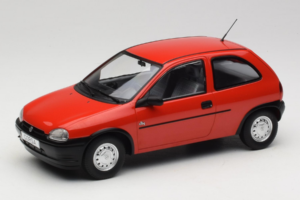
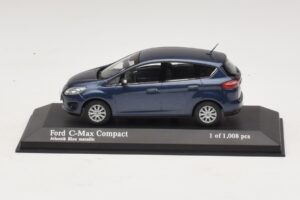
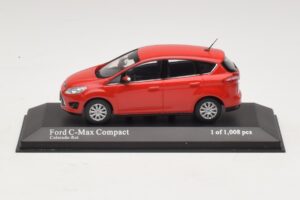

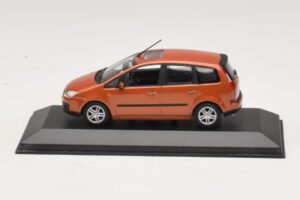

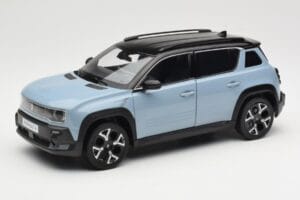

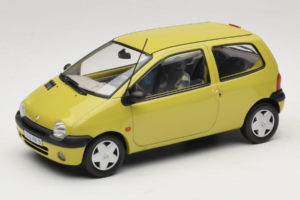

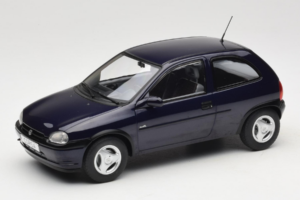
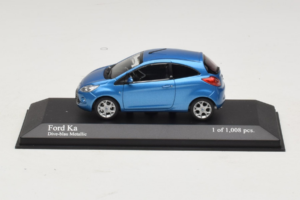
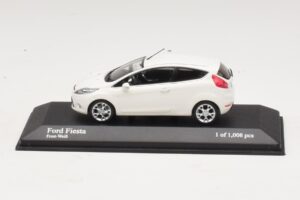
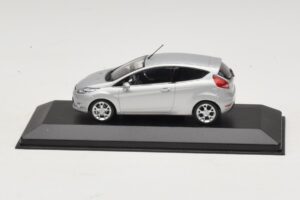
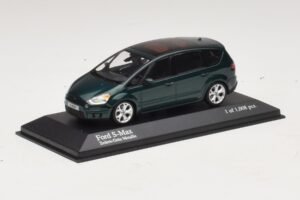
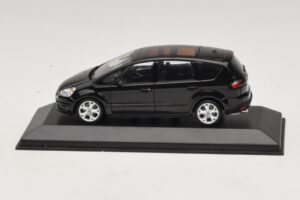
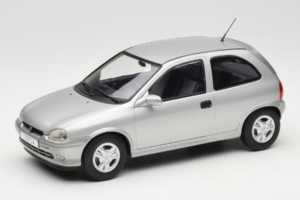
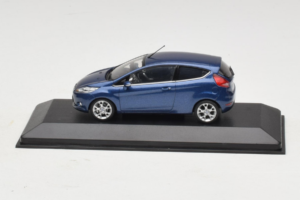
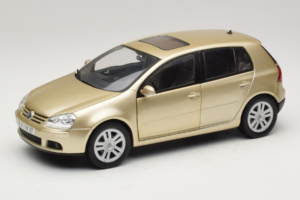
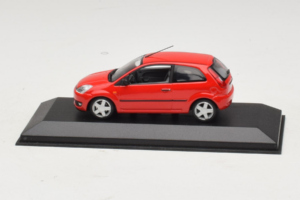


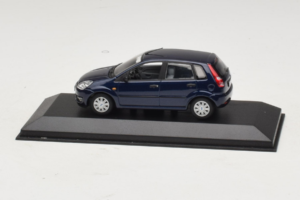
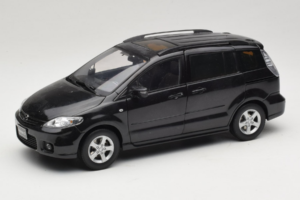

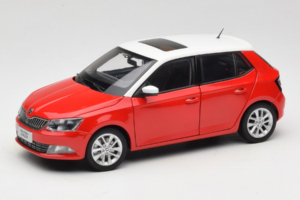
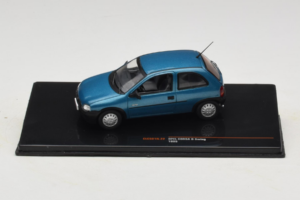
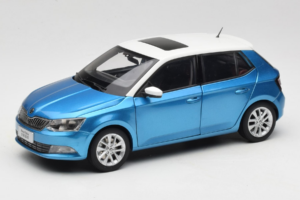
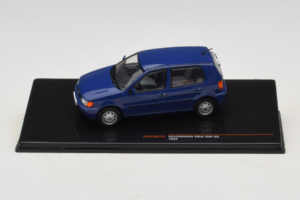
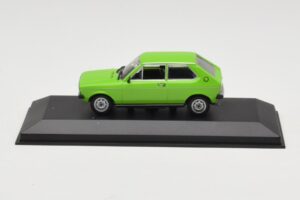
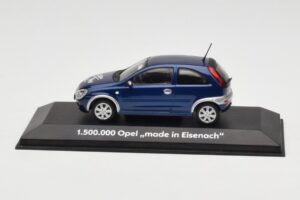
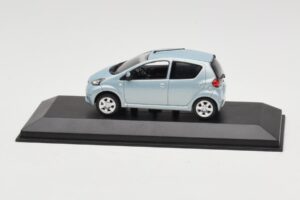

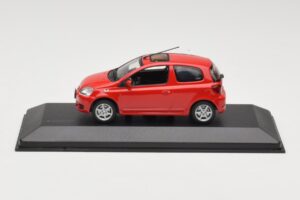
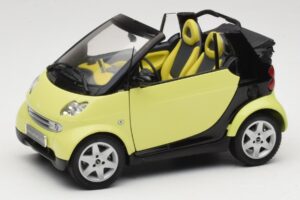


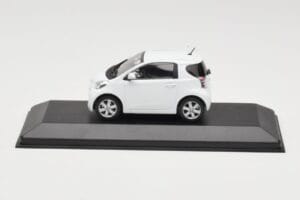
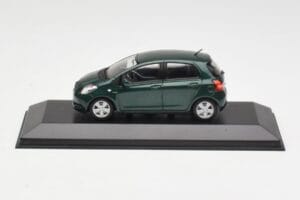
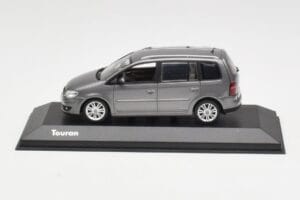
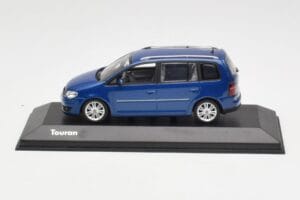
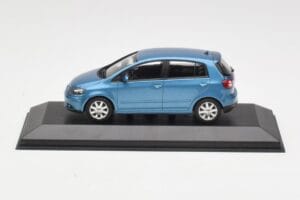
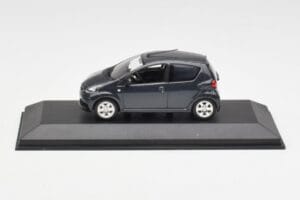
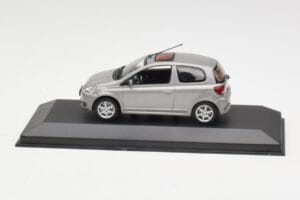
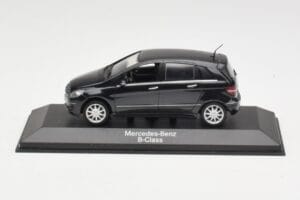
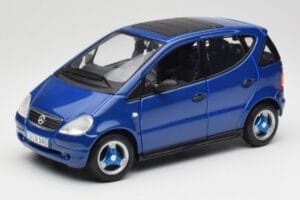
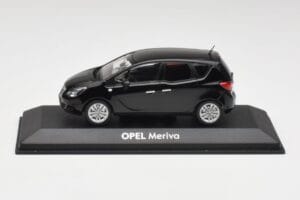

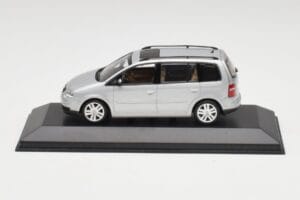


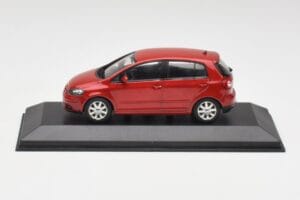
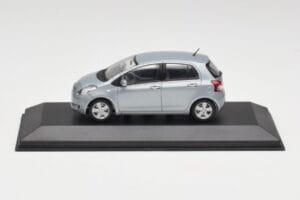
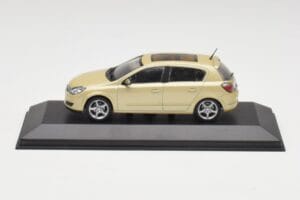
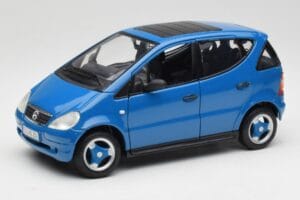

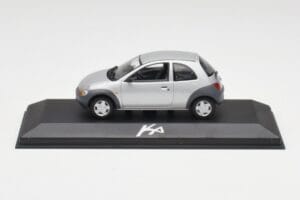


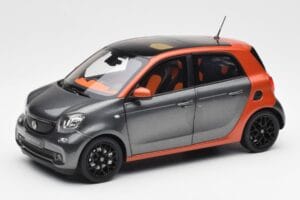
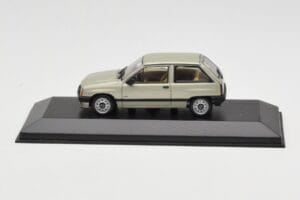

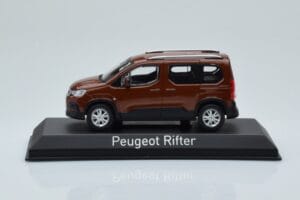
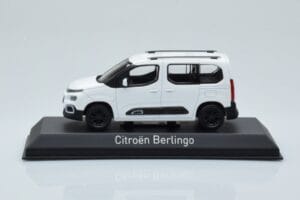

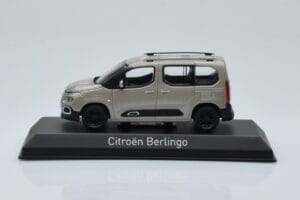
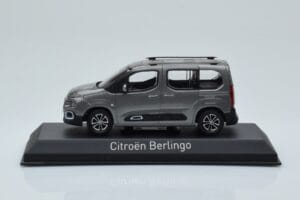
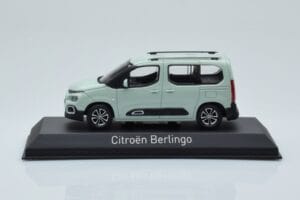
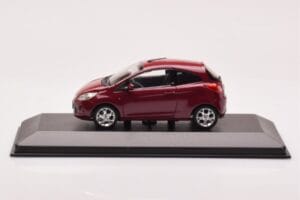
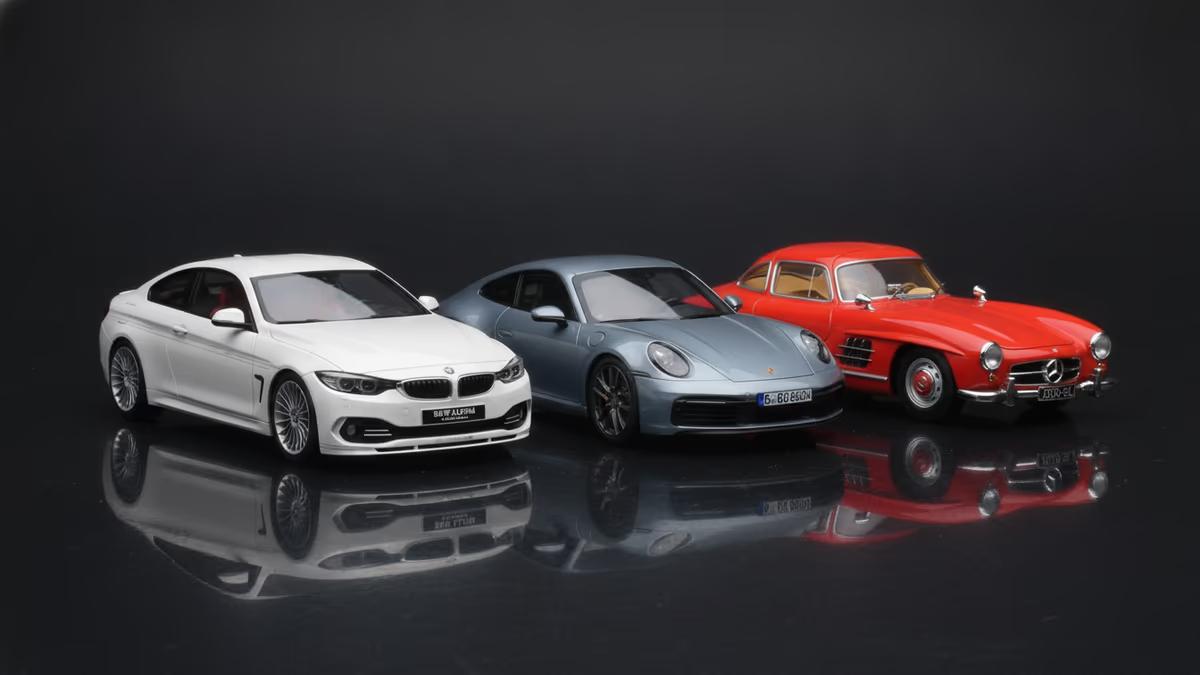
TL;DR: Urban runabout scale models reproduce compact city cars from Smart, Citroen, Ford, Toyota, and Peugeot across the 1990s through 2020s, built in diecast and resin at 1:43 and 1:18, documenting a body type valued for efficient packaging and distinctive design.
Urban runabouts rarely get the enthusiast attention that sports cars or muscle icons attract, yet the segment produces some of the automotive industry's most distinctive design solutions, cars engineered around the specific problem of fitting maximum practicality into minimum footprint.
Minichamps and Norev bring their broad European coverage to this category, treating city cars from Peugeot, Citroen, and Opel with the same manufacturer-tier attention given to larger, more prominent body types. MCG and IXO fill in additional coverage, particularly for Smart and other genuinely compact subjects that larger diecast producers sometimes treat as too small a niche to prioritize. OEM-adjacent releases occasionally appear, reflecting manufacturer-commissioned pieces distinct from independent third-party production.
Because urban runabouts are engineered around compact dimensions, their proportions in scale form differ noticeably from sedans or sports cars at the same ratio. A 1:43 city car occupies meaningfully less shelf space than a 1:43 sedan, which lets collectors document an entire European city car segment in the footprint that a handful of full-size models would otherwise demand.
This category rewards a European-focused thematic approach, since city cars carry particular cultural significance in dense European urban markets in a way they never quite achieved in North America. Building a shelf around a single decade's compact car designs, the 1990s or 2000s in particular, highlights how differently manufacturers solved the same packaging problem.
City cars are engineered around a distinct design problem, fitting practicality into minimum footprint, and their compact proportions in scale form create their own collecting logic, letting an entire segment display in less shelf space than a handful of full-size sedans.
1:43 is the most practical choice, since it lets a collector display many compact subjects in a small footprint, though 1:18 versions exist for standout design-forward city cars like the Smart Fortwo.
Largely yes. City cars carry particular cultural significance in dense European urban markets, which is reflected in the strong French, German, and broader European manufacturer coverage within this category.
Diecast dominates the mainstream city car range, while resin appears on select rarer or design-notable subjects where panel precision on a small, simple body benefits from sealed construction.