New arrival

Porsche 911 964 RWB Kashiwa Blue GT Spirit 1:18
Price:
100.00 €
Opening features turn a static shape into an interactive display piece, revealing engine bays and trimmed interiors that sealed construction can only suggest. This hub organizes browsing by openable parts for collectors who value hands-on display and interior detail.
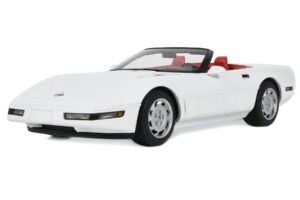

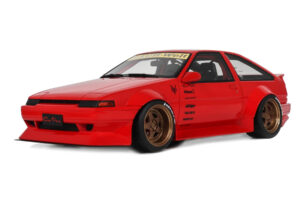


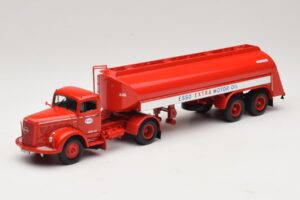


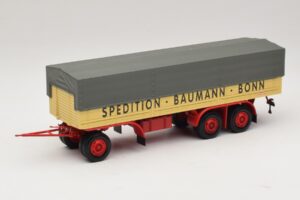







































TL;DR: Openable parts on scale models, doors, hoods and trunks, reveal interior and engine bay detail that sealed construction cannot show. Diecast typically carries these features due to its durability, though the trade-off is slightly wider panel tolerances around each opening mechanism.
Openable parts turn a scale model from a static display shape into something a collector can genuinely interact with, opening a hood to reveal engine bay detail or a door to show a correctly trimmed interior. This interactivity is a defining feature category in its own right, separate from scale, marque or era.
Diecast construction most commonly carries opening features, since the metal body can support hinge mechanisms without the fragility that resin's lighter construction would introduce. A model with opening doors reveals interior seat and dashboard detail; an opening hood exposes engine bay recreation; an opening trunk shows cargo space and, on some subjects, spare wheel or luggage detail. Each opening mechanism requires manufacturing clearance, which is the trade-off collectors accept for the interactive display value these features provide.
Opening features let a collector engage with a model beyond simply viewing it on a shelf, showing engine bay detail to visitors or comparing interior trim quality across different manufacturers side by side. This hands-on quality matters particularly for collectors who enjoy the mechanical storytelling that a well-detailed engine bay or interior provides.
Every opening panel introduces a small compromise in shut line tightness compared to a sealed equivalent, since hinges and latches require physical clearance to function. Manufacturers with strong tooling minimize this trade-off, but it never fully disappears, which is why some collectors specifically seek sealed-body models when panel-line precision matters more than interactivity.
Collectors building an interactive, hands-on display favor models with extensive opening features, while those prioritizing vitrine-style viewing where surface precision matters most often lean toward sealed construction instead. Many collections include both, matched to the specific subject and its display purpose.
Hinges and latching mechanisms require manufacturing clearance to function, which necessarily widens the shut lines around opening panels compared to sealed, fixed-body construction.
Diecast most commonly carries opening features, since the metal body supports hinge mechanisms without the fragility that lighter resin construction would introduce.
An opening hood exposes engine bay recreation, showing mechanical detail like the engine block, hoses and wiring that sealed construction can only suggest through exterior styling.
It depends on display priorities. Opening features suit hands-on, interactive collecting, while sealed construction suits vitrine display where surface accuracy matters more than interactivity.