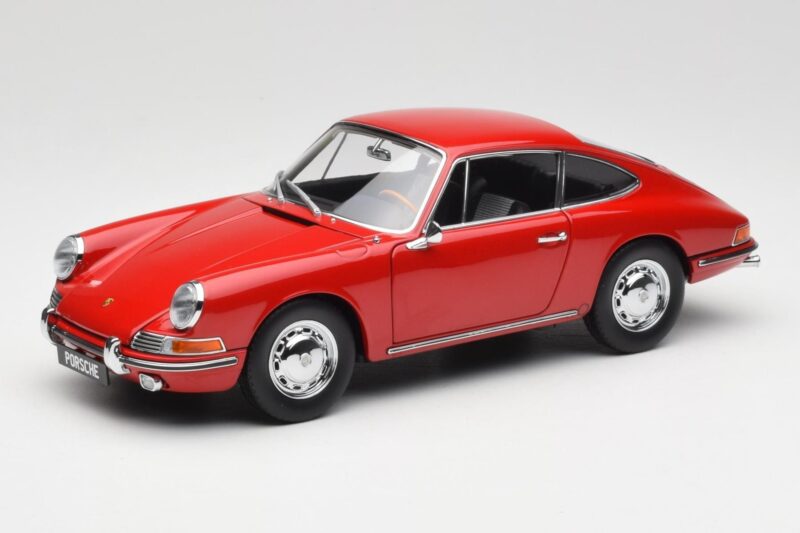
Porsche 911 901 Signal Red Kyosho 1:18
Sold out
1
/
8
Kyosho's 1:18 diecast reproduces the Porsche 901, the original name for what became the 911 before a Peugeot trademark dispute forced a rename in 1963. Finished in Signal Red, this early example shows the long hood and upright greenhouse before decades of revision reshaped the silhouette. Opening doors, a mapped flat-six engine bay, and correct period proportions make this a foundational piece for any Porsche chronology, tracing the 911 lineage back to its true starting point.
1 / 8
[{"index":0,"id":"516468","thumb":"https:\/\/models118.com\/wp-content\/uploads\/2026\/06\/porsche-911-901-signal-red-kyosho-1-18-300x200.jpg","medium":"https:\/\/models118.com\/wp-content\/uploads\/2026\/06\/porsche-911-901-signal-red-kyosho-1-18-800x533.jpg","full":"https:\/\/models118.com\/wp-content\/uploads\/2026\/06\/porsche-911-901-signal-red-kyosho-1-18.jpg","srcset":"https:\/\/models118.com\/wp-content\/uploads\/2026\/06\/porsche-911-901-signal-red-kyosho-1-18-800x533.jpg 800w, https:\/\/models118.com\/wp-content\/uploads\/2026\/06\/porsche-911-901-signal-red-kyosho-1-18-64x43.jpg 64w, https:\/\/models118.com\/wp-content\/uploads\/2026\/06\/porsche-911-901-signal-red-kyosho-1-18-300x200.jpg 300w, https:\/\/models118.com\/wp-content\/uploads\/2026\/06\/porsche-911-901-signal-red-kyosho-1-18-480x320.jpg 480w, https:\/\/models118.com\/wp-content\/uploads\/2026\/06\/porsche-911-901-signal-red-kyosho-1-18.jpg 1800w","sizes":"(max-width: 1023px) 400px, 640px","srcsetAvif":"https:\/\/models118.com\/wp-content\/uploads\/2026\/06\/porsche-911-901-signal-red-kyosho-1-18-800x533.jpg.avif 800w, https:\/\/models118.com\/wp-content\/uploads\/2026\/06\/porsche-911-901-signal-red-kyosho-1-18-64x43.jpg.avif 64w, https:\/\/models118.com\/wp-content\/uploads\/2026\/06\/porsche-911-901-signal-red-kyosho-1-18-300x200.jpg.avif 300w, https:\/\/models118.com\/wp-content\/uploads\/2026\/06\/porsche-911-901-signal-red-kyosho-1-18-480x320.jpg.avif 480w, https:\/\/models118.com\/wp-content\/uploads\/2026\/06\/porsche-911-901-signal-red-kyosho-1-18.jpg.avif 1800w","srcsetWebp":"https:\/\/models118.com\/wp-content\/uploads\/2026\/06\/porsche-911-901-signal-red-kyosho-1-18-800x533.jpg.webp 800w, https:\/\/models118.com\/wp-content\/uploads\/2026\/06\/porsche-911-901-signal-red-kyosho-1-18-64x43.jpg.webp 64w, https:\/\/models118.com\/wp-content\/uploads\/2026\/06\/porsche-911-901-signal-red-kyosho-1-18-300x200.jpg.webp 300w, https:\/\/models118.com\/wp-content\/uploads\/2026\/06\/porsche-911-901-signal-red-kyosho-1-18-480x320.jpg.webp 480w, https:\/\/models118.com\/wp-content\/uploads\/2026\/06\/porsche-911-901-signal-red-kyosho-1-18.jpg.webp 1800w","alt":"Porsche 911 901 Signal Red Kyosho 1:18 08969R Diecast"},{"index":1,"id":516604,"thumb":"https:\/\/models118.com\/wp-content\/uploads\/2026\/06\/porsche-911-901-signal-red-kyosho-1-18-1-300x200.jpg","medium":"https:\/\/models118.com\/wp-content\/uploads\/2026\/06\/porsche-911-901-signal-red-kyosho-1-18-1-800x533.jpg","full":"https:\/\/models118.com\/wp-content\/uploads\/2026\/06\/porsche-911-901-signal-red-kyosho-1-18-1.jpg","srcset":"https:\/\/models118.com\/wp-content\/uploads\/2026\/06\/porsche-911-901-signal-red-kyosho-1-18-1-800x533.jpg 800w, https:\/\/models118.com\/wp-content\/uploads\/2026\/06\/porsche-911-901-signal-red-kyosho-1-18-1-64x43.jpg 64w, https:\/\/models118.com\/wp-content\/uploads\/2026\/06\/porsche-911-901-signal-red-kyosho-1-18-1-300x200.jpg 300w, https:\/\/models118.com\/wp-content\/uploads\/2026\/06\/porsche-911-901-signal-red-kyosho-1-18-1.jpg 1800w","sizes":"(max-width: 1023px) 400px, 640px","srcsetAvif":"https:\/\/models118.com\/wp-content\/uploads\/2026\/06\/porsche-911-901-signal-red-kyosho-1-18-1-800x533.jpg.avif 800w, https:\/\/models118.com\/wp-content\/uploads\/2026\/06\/porsche-911-901-signal-red-kyosho-1-18-1-64x43.jpg.avif 64w, https:\/\/models118.com\/wp-content\/uploads\/2026\/06\/porsche-911-901-signal-red-kyosho-1-18-1-300x200.jpg.avif 300w, https:\/\/models118.com\/wp-content\/uploads\/2026\/06\/porsche-911-901-signal-red-kyosho-1-18-1.jpg.avif 1800w","srcsetWebp":"https:\/\/models118.com\/wp-content\/uploads\/2026\/06\/porsche-911-901-signal-red-kyosho-1-18-1-800x533.jpg.webp 800w, https:\/\/models118.com\/wp-content\/uploads\/2026\/06\/porsche-911-901-signal-red-kyosho-1-18-1-64x43.jpg.webp 64w, https:\/\/models118.com\/wp-content\/uploads\/2026\/06\/porsche-911-901-signal-red-kyosho-1-18-1-300x200.jpg.webp 300w, https:\/\/models118.com\/wp-content\/uploads\/2026\/06\/porsche-911-901-signal-red-kyosho-1-18-1.jpg.webp 1800w","alt":"Porsche 911 901 Signal Red Kyosho 1:18 08969R Diecast - image 2 of 8"},{"index":2,"id":516743,"thumb":"https:\/\/models118.com\/wp-content\/uploads\/2026\/06\/porsche-911-901-signal-red-kyosho-1-18-2-300x200.jpg","medium":"https:\/\/models118.com\/wp-content\/uploads\/2026\/06\/porsche-911-901-signal-red-kyosho-1-18-2-800x533.jpg","full":"https:\/\/models118.com\/wp-content\/uploads\/2026\/06\/porsche-911-901-signal-red-kyosho-1-18-2.jpg","srcset":"https:\/\/models118.com\/wp-content\/uploads\/2026\/06\/porsche-911-901-signal-red-kyosho-1-18-2-800x533.jpg 800w, https:\/\/models118.com\/wp-content\/uploads\/2026\/06\/porsche-911-901-signal-red-kyosho-1-18-2-64x43.jpg 64w, https:\/\/models118.com\/wp-content\/uploads\/2026\/06\/porsche-911-901-signal-red-kyosho-1-18-2-300x200.jpg 300w, https:\/\/models118.com\/wp-content\/uploads\/2026\/06\/porsche-911-901-signal-red-kyosho-1-18-2.jpg 1800w","sizes":"(max-width: 1023px) 400px, 640px","srcsetAvif":"https:\/\/models118.com\/wp-content\/uploads\/2026\/06\/porsche-911-901-signal-red-kyosho-1-18-2-800x533.jpg.avif 800w, https:\/\/models118.com\/wp-content\/uploads\/2026\/06\/porsche-911-901-signal-red-kyosho-1-18-2-64x43.jpg.avif 64w, https:\/\/models118.com\/wp-content\/uploads\/2026\/06\/porsche-911-901-signal-red-kyosho-1-18-2-300x200.jpg.avif 300w, https:\/\/models118.com\/wp-content\/uploads\/2026\/06\/porsche-911-901-signal-red-kyosho-1-18-2.jpg.avif 1800w","srcsetWebp":"https:\/\/models118.com\/wp-content\/uploads\/2026\/06\/porsche-911-901-signal-red-kyosho-1-18-2-800x533.jpg.webp 800w, https:\/\/models118.com\/wp-content\/uploads\/2026\/06\/porsche-911-901-signal-red-kyosho-1-18-2-64x43.jpg.webp 64w, https:\/\/models118.com\/wp-content\/uploads\/2026\/06\/porsche-911-901-signal-red-kyosho-1-18-2-300x200.jpg.webp 300w, https:\/\/models118.com\/wp-content\/uploads\/2026\/06\/porsche-911-901-signal-red-kyosho-1-18-2.jpg.webp 1800w","alt":"Porsche 911 901 Signal Red Kyosho 1:18 08969R Diecast - image 3 of 8"},{"index":3,"id":516862,"thumb":"https:\/\/models118.com\/wp-content\/uploads\/2026\/06\/porsche-911-901-signal-red-kyosho-1-18-3-300x200.jpg","medium":"https:\/\/models118.com\/wp-content\/uploads\/2026\/06\/porsche-911-901-signal-red-kyosho-1-18-3-800x533.jpg","full":"https:\/\/models118.com\/wp-content\/uploads\/2026\/06\/porsche-911-901-signal-red-kyosho-1-18-3.jpg","srcset":"https:\/\/models118.com\/wp-content\/uploads\/2026\/06\/porsche-911-901-signal-red-kyosho-1-18-3-800x533.jpg 800w, https:\/\/models118.com\/wp-content\/uploads\/2026\/06\/porsche-911-901-signal-red-kyosho-1-18-3-64x43.jpg 64w, https:\/\/models118.com\/wp-content\/uploads\/2026\/06\/porsche-911-901-signal-red-kyosho-1-18-3-300x200.jpg 300w, https:\/\/models118.com\/wp-content\/uploads\/2026\/06\/porsche-911-901-signal-red-kyosho-1-18-3.jpg 1800w","sizes":"(max-width: 1023px) 400px, 640px","srcsetAvif":"https:\/\/models118.com\/wp-content\/uploads\/2026\/06\/porsche-911-901-signal-red-kyosho-1-18-3-800x533.jpg.avif 800w, https:\/\/models118.com\/wp-content\/uploads\/2026\/06\/porsche-911-901-signal-red-kyosho-1-18-3-64x43.jpg.avif 64w, https:\/\/models118.com\/wp-content\/uploads\/2026\/06\/porsche-911-901-signal-red-kyosho-1-18-3-300x200.jpg.avif 300w, https:\/\/models118.com\/wp-content\/uploads\/2026\/06\/porsche-911-901-signal-red-kyosho-1-18-3.jpg.avif 1800w","srcsetWebp":"https:\/\/models118.com\/wp-content\/uploads\/2026\/06\/porsche-911-901-signal-red-kyosho-1-18-3-800x533.jpg.webp 800w, https:\/\/models118.com\/wp-content\/uploads\/2026\/06\/porsche-911-901-signal-red-kyosho-1-18-3-64x43.jpg.webp 64w, https:\/\/models118.com\/wp-content\/uploads\/2026\/06\/porsche-911-901-signal-red-kyosho-1-18-3-300x200.jpg.webp 300w, https:\/\/models118.com\/wp-content\/uploads\/2026\/06\/porsche-911-901-signal-red-kyosho-1-18-3.jpg.webp 1800w","alt":"Porsche 911 901 Signal Red Kyosho 1:18 08969R Diecast - image 4 of 8"},{"index":4,"id":516979,"thumb":"https:\/\/models118.com\/wp-content\/uploads\/2026\/06\/porsche-911-901-signal-red-kyosho-1-18-4-300x200.jpg","medium":"https:\/\/models118.com\/wp-content\/uploads\/2026\/06\/porsche-911-901-signal-red-kyosho-1-18-4-800x533.jpg","full":"https:\/\/models118.com\/wp-content\/uploads\/2026\/06\/porsche-911-901-signal-red-kyosho-1-18-4.jpg","srcset":"https:\/\/models118.com\/wp-content\/uploads\/2026\/06\/porsche-911-901-signal-red-kyosho-1-18-4-800x533.jpg 800w, https:\/\/models118.com\/wp-content\/uploads\/2026\/06\/porsche-911-901-signal-red-kyosho-1-18-4-64x43.jpg 64w, https:\/\/models118.com\/wp-content\/uploads\/2026\/06\/porsche-911-901-signal-red-kyosho-1-18-4-300x200.jpg 300w, https:\/\/models118.com\/wp-content\/uploads\/2026\/06\/porsche-911-901-signal-red-kyosho-1-18-4.jpg 1800w","sizes":"(max-width: 1023px) 400px, 640px","srcsetAvif":"https:\/\/models118.com\/wp-content\/uploads\/2026\/06\/porsche-911-901-signal-red-kyosho-1-18-4-800x533.jpg.avif 800w, https:\/\/models118.com\/wp-content\/uploads\/2026\/06\/porsche-911-901-signal-red-kyosho-1-18-4-64x43.jpg.avif 64w, https:\/\/models118.com\/wp-content\/uploads\/2026\/06\/porsche-911-901-signal-red-kyosho-1-18-4-300x200.jpg.avif 300w, https:\/\/models118.com\/wp-content\/uploads\/2026\/06\/porsche-911-901-signal-red-kyosho-1-18-4.jpg.avif 1800w","srcsetWebp":"https:\/\/models118.com\/wp-content\/uploads\/2026\/06\/porsche-911-901-signal-red-kyosho-1-18-4-800x533.jpg.webp 800w, https:\/\/models118.com\/wp-content\/uploads\/2026\/06\/porsche-911-901-signal-red-kyosho-1-18-4-64x43.jpg.webp 64w, https:\/\/models118.com\/wp-content\/uploads\/2026\/06\/porsche-911-901-signal-red-kyosho-1-18-4-300x200.jpg.webp 300w, https:\/\/models118.com\/wp-content\/uploads\/2026\/06\/porsche-911-901-signal-red-kyosho-1-18-4.jpg.webp 1800w","alt":"Porsche 911 901 Signal Red Kyosho 1:18 08969R Diecast - image 5 of 8"},{"index":5,"id":517082,"thumb":"https:\/\/models118.com\/wp-content\/uploads\/2026\/06\/porsche-911-901-signal-red-kyosho-1-18-5-300x200.jpg","medium":"https:\/\/models118.com\/wp-content\/uploads\/2026\/06\/porsche-911-901-signal-red-kyosho-1-18-5-800x533.jpg","full":"https:\/\/models118.com\/wp-content\/uploads\/2026\/06\/porsche-911-901-signal-red-kyosho-1-18-5.jpg","srcset":"https:\/\/models118.com\/wp-content\/uploads\/2026\/06\/porsche-911-901-signal-red-kyosho-1-18-5-800x533.jpg 800w, https:\/\/models118.com\/wp-content\/uploads\/2026\/06\/porsche-911-901-signal-red-kyosho-1-18-5-64x43.jpg 64w, https:\/\/models118.com\/wp-content\/uploads\/2026\/06\/porsche-911-901-signal-red-kyosho-1-18-5-300x200.jpg 300w, https:\/\/models118.com\/wp-content\/uploads\/2026\/06\/porsche-911-901-signal-red-kyosho-1-18-5.jpg 1800w","sizes":"(max-width: 1023px) 400px, 640px","srcsetAvif":"https:\/\/models118.com\/wp-content\/uploads\/2026\/06\/porsche-911-901-signal-red-kyosho-1-18-5-800x533.jpg.avif 800w, https:\/\/models118.com\/wp-content\/uploads\/2026\/06\/porsche-911-901-signal-red-kyosho-1-18-5-64x43.jpg.avif 64w, https:\/\/models118.com\/wp-content\/uploads\/2026\/06\/porsche-911-901-signal-red-kyosho-1-18-5-300x200.jpg.avif 300w, https:\/\/models118.com\/wp-content\/uploads\/2026\/06\/porsche-911-901-signal-red-kyosho-1-18-5.jpg.avif 1800w","srcsetWebp":"https:\/\/models118.com\/wp-content\/uploads\/2026\/06\/porsche-911-901-signal-red-kyosho-1-18-5-800x533.jpg.webp 800w, https:\/\/models118.com\/wp-content\/uploads\/2026\/06\/porsche-911-901-signal-red-kyosho-1-18-5-64x43.jpg.webp 64w, https:\/\/models118.com\/wp-content\/uploads\/2026\/06\/porsche-911-901-signal-red-kyosho-1-18-5-300x200.jpg.webp 300w, https:\/\/models118.com\/wp-content\/uploads\/2026\/06\/porsche-911-901-signal-red-kyosho-1-18-5.jpg.webp 1800w","alt":"Porsche 911 901 Signal Red Kyosho 1:18 08969R Diecast - image 6 of 8"},{"index":6,"id":517189,"thumb":"https:\/\/models118.com\/wp-content\/uploads\/2026\/06\/porsche-911-901-signal-red-kyosho-1-18-6-300x200.jpg","medium":"https:\/\/models118.com\/wp-content\/uploads\/2026\/06\/porsche-911-901-signal-red-kyosho-1-18-6-800x533.jpg","full":"https:\/\/models118.com\/wp-content\/uploads\/2026\/06\/porsche-911-901-signal-red-kyosho-1-18-6.jpg","srcset":"https:\/\/models118.com\/wp-content\/uploads\/2026\/06\/porsche-911-901-signal-red-kyosho-1-18-6-800x533.jpg 800w, https:\/\/models118.com\/wp-content\/uploads\/2026\/06\/porsche-911-901-signal-red-kyosho-1-18-6-64x43.jpg 64w, https:\/\/models118.com\/wp-content\/uploads\/2026\/06\/porsche-911-901-signal-red-kyosho-1-18-6-300x200.jpg 300w, https:\/\/models118.com\/wp-content\/uploads\/2026\/06\/porsche-911-901-signal-red-kyosho-1-18-6.jpg 1800w","sizes":"(max-width: 1023px) 400px, 640px","srcsetAvif":"https:\/\/models118.com\/wp-content\/uploads\/2026\/06\/porsche-911-901-signal-red-kyosho-1-18-6-800x533.jpg.avif 800w, https:\/\/models118.com\/wp-content\/uploads\/2026\/06\/porsche-911-901-signal-red-kyosho-1-18-6-64x43.jpg.avif 64w, https:\/\/models118.com\/wp-content\/uploads\/2026\/06\/porsche-911-901-signal-red-kyosho-1-18-6-300x200.jpg.avif 300w, https:\/\/models118.com\/wp-content\/uploads\/2026\/06\/porsche-911-901-signal-red-kyosho-1-18-6.jpg.avif 1800w","srcsetWebp":"https:\/\/models118.com\/wp-content\/uploads\/2026\/06\/porsche-911-901-signal-red-kyosho-1-18-6-800x533.jpg.webp 800w, https:\/\/models118.com\/wp-content\/uploads\/2026\/06\/porsche-911-901-signal-red-kyosho-1-18-6-64x43.jpg.webp 64w, https:\/\/models118.com\/wp-content\/uploads\/2026\/06\/porsche-911-901-signal-red-kyosho-1-18-6-300x200.jpg.webp 300w, https:\/\/models118.com\/wp-content\/uploads\/2026\/06\/porsche-911-901-signal-red-kyosho-1-18-6.jpg.webp 1800w","alt":"Porsche 911 901 Signal Red Kyosho 1:18 08969R Diecast - image 7 of 8"},{"index":7,"id":517293,"thumb":"https:\/\/models118.com\/wp-content\/uploads\/2026\/06\/porsche-911-901-signal-red-kyosho-1-18-7-300x200.jpg","medium":"https:\/\/models118.com\/wp-content\/uploads\/2026\/06\/porsche-911-901-signal-red-kyosho-1-18-7-800x533.jpg","full":"https:\/\/models118.com\/wp-content\/uploads\/2026\/06\/porsche-911-901-signal-red-kyosho-1-18-7.jpg","srcset":"https:\/\/models118.com\/wp-content\/uploads\/2026\/06\/porsche-911-901-signal-red-kyosho-1-18-7-800x533.jpg 800w, https:\/\/models118.com\/wp-content\/uploads\/2026\/06\/porsche-911-901-signal-red-kyosho-1-18-7-64x43.jpg 64w, https:\/\/models118.com\/wp-content\/uploads\/2026\/06\/porsche-911-901-signal-red-kyosho-1-18-7-300x200.jpg 300w, https:\/\/models118.com\/wp-content\/uploads\/2026\/06\/porsche-911-901-signal-red-kyosho-1-18-7.jpg 1800w","sizes":"(max-width: 1023px) 400px, 640px","srcsetAvif":"https:\/\/models118.com\/wp-content\/uploads\/2026\/06\/porsche-911-901-signal-red-kyosho-1-18-7-800x533.jpg.avif 800w, https:\/\/models118.com\/wp-content\/uploads\/2026\/06\/porsche-911-901-signal-red-kyosho-1-18-7-64x43.jpg.avif 64w, https:\/\/models118.com\/wp-content\/uploads\/2026\/06\/porsche-911-901-signal-red-kyosho-1-18-7-300x200.jpg.avif 300w, https:\/\/models118.com\/wp-content\/uploads\/2026\/06\/porsche-911-901-signal-red-kyosho-1-18-7.jpg.avif 1800w","srcsetWebp":"https:\/\/models118.com\/wp-content\/uploads\/2026\/06\/porsche-911-901-signal-red-kyosho-1-18-7-800x533.jpg.webp 800w, https:\/\/models118.com\/wp-content\/uploads\/2026\/06\/porsche-911-901-signal-red-kyosho-1-18-7-64x43.jpg.webp 64w, https:\/\/models118.com\/wp-content\/uploads\/2026\/06\/porsche-911-901-signal-red-kyosho-1-18-7-300x200.jpg.webp 300w, https:\/\/models118.com\/wp-content\/uploads\/2026\/06\/porsche-911-901-signal-red-kyosho-1-18-7.jpg.webp 1800w","alt":"Porsche 911 901 Signal Red Kyosho 1:18 08969R Diecast - image 8 of 8"}]
Porsche 911 901 Signal Red Kyosho 1:18
Current price:
229.00 €
Sold out
This model is currently sold out. Enter your email and we'll let you know when it's back in stock.
Shipping to 79 countries
Worldwide delivery
Prices incl. 23% VAT
No hidden costs
Shipping rates by country
Tracked & insured
Pay in EUR €
Local currency
100% authentic
Direct from manufacturers
5-layer carton
Foam-filled interior
Easy returns
14 days, no questions asked
Secure payment
256-bit SSL encryption
About the Porsche 911 901 Signal Red Kyosho 1:18
TL;DR: Kyosho's 1:18 diecast Porsche 911 reproduces the car's original 901 designation from 1963, before a Peugeot trademark dispute forced Porsche's rename. Finished in Signal Red with opening doors and a mapped flat-six bay, it traces the 911 lineage to its true starting point for a foundational piece in any Porsche display.
Before it was ever called the 911, Porsche's new coupe wore the internal designation 901, a name that lasted only a matter of months before a legal dispute changed automotive history. Kyosho's 1:18 diecast preserves that earliest chapter in Signal Red.
Porsche's 901 to 911: A Nameplate Rewritten by Trademark Law
Peugeot's Claim on Three-Digit Names
Porsche had already used the 901 designation on prototypes and early production cars when Peugeot objected, pointing to its own long-standing convention of three-digit model names with a central zero. Rather than fight a protracted legal battle, Porsche simply swapped the middle digit, and the 911 name that would carry the model for six decades was born almost by accident. Only a small number of genuine 901-badged cars left the factory before the change, making the earliest examples a genuine curiosity within Porsche's own history rather than a marketing footnote.
The Long Hood Era's Original Silhouette
This earliest 911 shape, what collectors now call the long hood era, carried a more upright windshield, slimmer bumpers, and a narrower track than every 911 that followed. The proportions look almost delicate next to later, wider-bodied 911 generations, and that slenderness is exactly what makes the original shape worth preserving in scale form. Signal Red was a period-correct Porsche color choice, and it suits the car's simple, unadorned surfaces without the vents and spoilers later 911s would add.
Kyosho's Early-Series Diecast Detail
Kyosho builds this early 911 in diecast, opening the doors on metal hinges and mapping a cabin that reflects the model's minimal, driver-focused layout rather than the busier dashboards later 911s adopted. Where a sealed resin version might hold marginally crisper edges around the narrow window surrounds, it would forfeit the opening doors that let a collector show the flat-six layout, a trade most Porsche collectors are happy to accept for this particular subject.
Flat-Six Engine Bay and Cabin Accuracy
Lifting the rear-mounted engine cover reveals a scaled air-cooled flat-six, the layout that would define Porsche's sports car identity for decades afterward, positioned correctly behind the rear axle rather than centrally as on later racing variants. The cabin includes narrow bucket seats and a five-gauge dashboard, features specific to this early production run before Porsche revised the interior in subsequent model years. Panel fit around the distinctive long hood stays tight, a detail worth checking closely since the hood's proportions are one of the clearest visual differences between this earliest 911 and the cars that followed.
A Starting Point for a Porsche 911 Chronology
At around 19 centimeters, this early 911 takes a modest footprint next to later, wider-bodied Turbo or GT3 variants, which makes it easy to place at the head of a chronological Porsche 911 display without crowding later, larger models. For collectors building a lineage that traces the 911's evolution decade by decade, starting with the 901-era shape gives that story its proper foundation, showing where the wide arches, spoilers, and turbo intercoolers of later cars had not yet arrived. Diecast construction keeps the price reasonable for what is, in effect, one of the most historically significant shapes in Porsche's catalog, an origin point rather than a variation on an established theme. Kept out of direct sun, the Signal Red finish holds its saturation far longer than a windowsill display would allow, and the narrow greenhouse glass is easy to keep dust-free with an occasional soft-brush pass.
From the same collection
Last one
Used
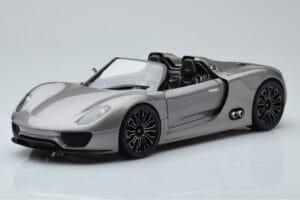
Last one
Back in stock
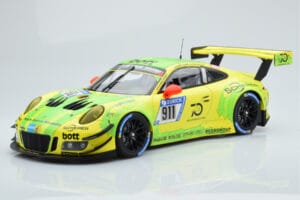
Porsche 911 GT3 R Manthey Racing #911 F. Scherer / K. Estre / R. Dumas / L. Vanthoor / E. Bamber 24 Hours of Nurburgring 2018 Minichamps 1:18
Only 1 left
Price:
137.00 €
Last one
Back in stock
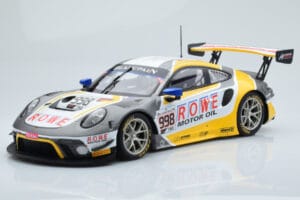
Porsche 911 GT3 R Rowe Racing #998 F. Makowiecki / A. Pilet / N. Tandy 2nd Place 24 Hours of Spa-Francorchamps 2019 Minichamps 1:18
Only 1 left
Price:
108.00 €
Last one
Used
Back in stock
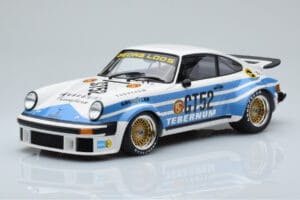
Porsche 911 934 Tebernum Racing Team #52 T. Schenken Nurburgring 300km 1976 Minichamps 1:18
Only 1 left
Price:
147.00 €
Last one
Used
Porsche 956L Spirit of America #8 G. Follmer / J. Morton / K. Miller 24 Hours of Le Mans 1986 Minichamps 1:18
Only 1 left
Price:
119.00 €
Collectors also bought
Browse all 1:18
Last one
Subaru Impreza #5 C. Sainz / L. Moya 2nd Place Rally Monte Carlo 1995 Kyosho 1:18
Only 1 left
Price:
252.00 €
Last one
Subaru Impreza #4 C. McRae / D. Ringer Winner RAC Rally 1994 Kyosho 1:18
Only 1 left
Price:
252.00 €
Last one

Toyota Celica GT-Four ST165 #3 B. Waldegard / F. Gallagher Winner Safari Rally 1990 Kyosho 1:18
Only 1 left
Price:
252.00 €
Last one
Toyota Celica GT-Four ST165 #2 C. Sainz / L. Moya Winner Rally Monte Carlo 1991 Kyosho 1:18
Only 1 left
Price:
252.00 €

Last one
Last one
Last one
Recently viewed
{"id":517406,"name":"Porsche 911 901 Signal Red Kyosho 1:18","price":"229.00 €<\/span><\/bdi><\/span>","image":"https:\/\/models118.com\/wp-content\/uploads\/2026\/06\/porsche-911-901-signal-red-kyosho-1-18-400x400.jpg","permalink":"https:\/\/models118.com\/porsche-911-901-signal-red-kyosho-1-18-08969r\/","brand":"Porsche"}