
Alfa Romeo 8C Monza Black Bburago 1:18
1
/
6
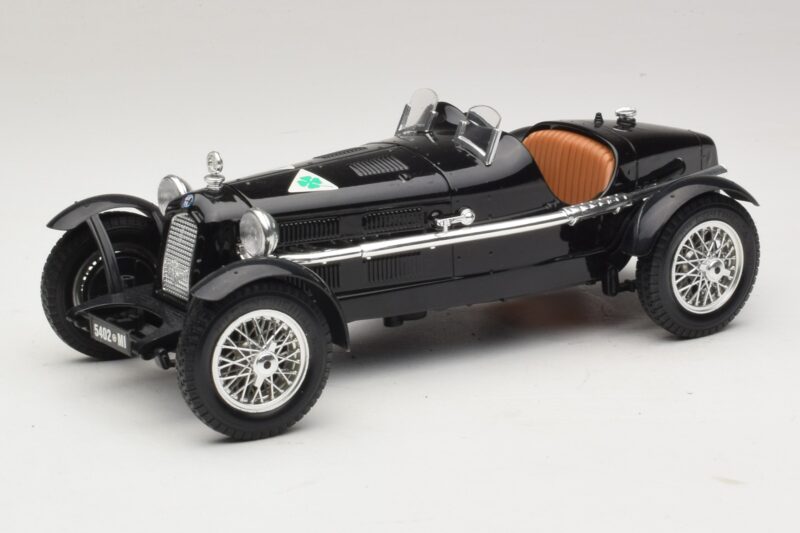
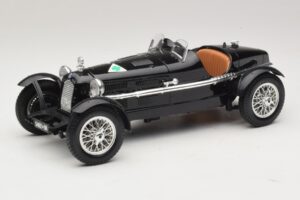
Bburago's 1:18 Alfa Romeo 8C Monza reproduces the 1931 pre-war racer in black diecast with opening doors and hood that expose the straight-eight engine and narrow open cockpit. The 8C 2300 dominated early 1930s endurance racing, winning at Le Mans and the Mille Miglia repeatedly. A hands-on pre-war anchor piece for collectors tracing motorsport history back before the war changed the sport entirely.
1 / 6
[{"index":0,"id":"1691454","thumb":"https:\/\/models118.com\/wp-content\/uploads\/2026\/10\/alfa-romeo-8c-monza-black-bburago-1-18-3014-p1-1-1-300x200.jpg","medium":"https:\/\/models118.com\/wp-content\/uploads\/2026\/10\/alfa-romeo-8c-monza-black-bburago-1-18-3014-p1-1-1-800x533.jpg","full":"https:\/\/models118.com\/wp-content\/uploads\/2026\/10\/alfa-romeo-8c-monza-black-bburago-1-18-3014-p1-1-1.jpg","srcset":"https:\/\/models118.com\/wp-content\/uploads\/2026\/10\/alfa-romeo-8c-monza-black-bburago-1-18-3014-p1-1-1-800x533.jpg 800w, https:\/\/models118.com\/wp-content\/uploads\/2026\/10\/alfa-romeo-8c-monza-black-bburago-1-18-3014-p1-1-1-300x200.jpg 300w, https:\/\/models118.com\/wp-content\/uploads\/2026\/10\/alfa-romeo-8c-monza-black-bburago-1-18-3014-p1-1-1-64x43.jpg 64w, https:\/\/models118.com\/wp-content\/uploads\/2026\/10\/alfa-romeo-8c-monza-black-bburago-1-18-3014-p1-1-1.jpg 1800w","sizes":"(max-width: 1023px) 400px, 640px","srcsetAvif":"https:\/\/models118.com\/wp-content\/uploads\/2026\/10\/alfa-romeo-8c-monza-black-bburago-1-18-3014-p1-1-1-800x533.jpg.avif 800w, https:\/\/models118.com\/wp-content\/uploads\/2026\/10\/alfa-romeo-8c-monza-black-bburago-1-18-3014-p1-1-1-300x200.jpg.avif 300w, https:\/\/models118.com\/wp-content\/uploads\/2026\/10\/alfa-romeo-8c-monza-black-bburago-1-18-3014-p1-1-1-64x43.jpg.avif 64w, https:\/\/models118.com\/wp-content\/uploads\/2026\/10\/alfa-romeo-8c-monza-black-bburago-1-18-3014-p1-1-1.jpg.avif 1800w","srcsetWebp":"https:\/\/models118.com\/wp-content\/uploads\/2026\/10\/alfa-romeo-8c-monza-black-bburago-1-18-3014-p1-1-1-800x533.jpg.webp 800w, https:\/\/models118.com\/wp-content\/uploads\/2026\/10\/alfa-romeo-8c-monza-black-bburago-1-18-3014-p1-1-1-300x200.jpg.webp 300w, https:\/\/models118.com\/wp-content\/uploads\/2026\/10\/alfa-romeo-8c-monza-black-bburago-1-18-3014-p1-1-1-64x43.jpg.webp 64w, https:\/\/models118.com\/wp-content\/uploads\/2026\/10\/alfa-romeo-8c-monza-black-bburago-1-18-3014-p1-1-1.jpg.webp 1800w","alt":"Alfa Romeo 8C Monza Black Bburago 1:18 3014-P1 Diecast"},{"index":1,"id":1691456,"thumb":"https:\/\/models118.com\/wp-content\/uploads\/2026\/10\/alfa-romeo-8c-monza-black-bburago-1-18-3014-p1-1-300x200.jpg","medium":"https:\/\/models118.com\/wp-content\/uploads\/2026\/10\/alfa-romeo-8c-monza-black-bburago-1-18-3014-p1-1-800x533.jpg","full":"https:\/\/models118.com\/wp-content\/uploads\/2026\/10\/alfa-romeo-8c-monza-black-bburago-1-18-3014-p1-1.jpg","srcset":"https:\/\/models118.com\/wp-content\/uploads\/2026\/10\/alfa-romeo-8c-monza-black-bburago-1-18-3014-p1-1-800x533.jpg 800w, https:\/\/models118.com\/wp-content\/uploads\/2026\/10\/alfa-romeo-8c-monza-black-bburago-1-18-3014-p1-1-300x200.jpg 300w, https:\/\/models118.com\/wp-content\/uploads\/2026\/10\/alfa-romeo-8c-monza-black-bburago-1-18-3014-p1-1-64x43.jpg 64w, https:\/\/models118.com\/wp-content\/uploads\/2026\/10\/alfa-romeo-8c-monza-black-bburago-1-18-3014-p1-1.jpg 1800w","sizes":"(max-width: 1023px) 400px, 640px","srcsetAvif":"https:\/\/models118.com\/wp-content\/uploads\/2026\/10\/alfa-romeo-8c-monza-black-bburago-1-18-3014-p1-1-800x533.jpg.avif 800w, https:\/\/models118.com\/wp-content\/uploads\/2026\/10\/alfa-romeo-8c-monza-black-bburago-1-18-3014-p1-1-300x200.jpg.avif 300w, https:\/\/models118.com\/wp-content\/uploads\/2026\/10\/alfa-romeo-8c-monza-black-bburago-1-18-3014-p1-1-64x43.jpg.avif 64w, https:\/\/models118.com\/wp-content\/uploads\/2026\/10\/alfa-romeo-8c-monza-black-bburago-1-18-3014-p1-1.jpg.avif 1800w","srcsetWebp":"https:\/\/models118.com\/wp-content\/uploads\/2026\/10\/alfa-romeo-8c-monza-black-bburago-1-18-3014-p1-1-800x533.jpg.webp 800w, https:\/\/models118.com\/wp-content\/uploads\/2026\/10\/alfa-romeo-8c-monza-black-bburago-1-18-3014-p1-1-300x200.jpg.webp 300w, https:\/\/models118.com\/wp-content\/uploads\/2026\/10\/alfa-romeo-8c-monza-black-bburago-1-18-3014-p1-1-64x43.jpg.webp 64w, https:\/\/models118.com\/wp-content\/uploads\/2026\/10\/alfa-romeo-8c-monza-black-bburago-1-18-3014-p1-1.jpg.webp 1800w","alt":"Alfa Romeo 8C Monza Black Bburago 1:18 3014-P1 Diecast - image 2 of 6"},{"index":2,"id":1691458,"thumb":"https:\/\/models118.com\/wp-content\/uploads\/2026\/10\/alfa-romeo-8c-monza-black-bburago-1-18-3014-p1-2-300x200.jpg","medium":"https:\/\/models118.com\/wp-content\/uploads\/2026\/10\/alfa-romeo-8c-monza-black-bburago-1-18-3014-p1-2-800x533.jpg","full":"https:\/\/models118.com\/wp-content\/uploads\/2026\/10\/alfa-romeo-8c-monza-black-bburago-1-18-3014-p1-2.jpg","srcset":"https:\/\/models118.com\/wp-content\/uploads\/2026\/10\/alfa-romeo-8c-monza-black-bburago-1-18-3014-p1-2-800x533.jpg 800w, https:\/\/models118.com\/wp-content\/uploads\/2026\/10\/alfa-romeo-8c-monza-black-bburago-1-18-3014-p1-2-300x200.jpg 300w, https:\/\/models118.com\/wp-content\/uploads\/2026\/10\/alfa-romeo-8c-monza-black-bburago-1-18-3014-p1-2-64x43.jpg 64w, https:\/\/models118.com\/wp-content\/uploads\/2026\/10\/alfa-romeo-8c-monza-black-bburago-1-18-3014-p1-2.jpg 1800w","sizes":"(max-width: 1023px) 400px, 640px","srcsetAvif":"https:\/\/models118.com\/wp-content\/uploads\/2026\/10\/alfa-romeo-8c-monza-black-bburago-1-18-3014-p1-2-800x533.jpg.avif 800w, https:\/\/models118.com\/wp-content\/uploads\/2026\/10\/alfa-romeo-8c-monza-black-bburago-1-18-3014-p1-2-300x200.jpg.avif 300w, https:\/\/models118.com\/wp-content\/uploads\/2026\/10\/alfa-romeo-8c-monza-black-bburago-1-18-3014-p1-2-64x43.jpg.avif 64w, https:\/\/models118.com\/wp-content\/uploads\/2026\/10\/alfa-romeo-8c-monza-black-bburago-1-18-3014-p1-2.jpg.avif 1800w","srcsetWebp":"https:\/\/models118.com\/wp-content\/uploads\/2026\/10\/alfa-romeo-8c-monza-black-bburago-1-18-3014-p1-2-800x533.jpg.webp 800w, https:\/\/models118.com\/wp-content\/uploads\/2026\/10\/alfa-romeo-8c-monza-black-bburago-1-18-3014-p1-2-300x200.jpg.webp 300w, https:\/\/models118.com\/wp-content\/uploads\/2026\/10\/alfa-romeo-8c-monza-black-bburago-1-18-3014-p1-2-64x43.jpg.webp 64w, https:\/\/models118.com\/wp-content\/uploads\/2026\/10\/alfa-romeo-8c-monza-black-bburago-1-18-3014-p1-2.jpg.webp 1800w","alt":"Alfa Romeo 8C Monza Black Bburago 1:18 3014-P1 Diecast - image 3 of 6"},{"index":3,"id":1691460,"thumb":"https:\/\/models118.com\/wp-content\/uploads\/2026\/10\/alfa-romeo-8c-monza-black-bburago-1-18-3014-p1-3-300x200.jpg","medium":"https:\/\/models118.com\/wp-content\/uploads\/2026\/10\/alfa-romeo-8c-monza-black-bburago-1-18-3014-p1-3-800x533.jpg","full":"https:\/\/models118.com\/wp-content\/uploads\/2026\/10\/alfa-romeo-8c-monza-black-bburago-1-18-3014-p1-3.jpg","srcset":"https:\/\/models118.com\/wp-content\/uploads\/2026\/10\/alfa-romeo-8c-monza-black-bburago-1-18-3014-p1-3-800x533.jpg 800w, https:\/\/models118.com\/wp-content\/uploads\/2026\/10\/alfa-romeo-8c-monza-black-bburago-1-18-3014-p1-3-300x200.jpg 300w, https:\/\/models118.com\/wp-content\/uploads\/2026\/10\/alfa-romeo-8c-monza-black-bburago-1-18-3014-p1-3-64x43.jpg 64w, https:\/\/models118.com\/wp-content\/uploads\/2026\/10\/alfa-romeo-8c-monza-black-bburago-1-18-3014-p1-3.jpg 1800w","sizes":"(max-width: 1023px) 400px, 640px","srcsetAvif":"https:\/\/models118.com\/wp-content\/uploads\/2026\/10\/alfa-romeo-8c-monza-black-bburago-1-18-3014-p1-3-800x533.jpg.avif 800w, https:\/\/models118.com\/wp-content\/uploads\/2026\/10\/alfa-romeo-8c-monza-black-bburago-1-18-3014-p1-3-300x200.jpg.avif 300w, https:\/\/models118.com\/wp-content\/uploads\/2026\/10\/alfa-romeo-8c-monza-black-bburago-1-18-3014-p1-3-64x43.jpg.avif 64w, https:\/\/models118.com\/wp-content\/uploads\/2026\/10\/alfa-romeo-8c-monza-black-bburago-1-18-3014-p1-3.jpg.avif 1800w","srcsetWebp":"https:\/\/models118.com\/wp-content\/uploads\/2026\/10\/alfa-romeo-8c-monza-black-bburago-1-18-3014-p1-3-800x533.jpg.webp 800w, https:\/\/models118.com\/wp-content\/uploads\/2026\/10\/alfa-romeo-8c-monza-black-bburago-1-18-3014-p1-3-300x200.jpg.webp 300w, https:\/\/models118.com\/wp-content\/uploads\/2026\/10\/alfa-romeo-8c-monza-black-bburago-1-18-3014-p1-3-64x43.jpg.webp 64w, https:\/\/models118.com\/wp-content\/uploads\/2026\/10\/alfa-romeo-8c-monza-black-bburago-1-18-3014-p1-3.jpg.webp 1800w","alt":"Alfa Romeo 8C Monza Black Bburago 1:18 3014-P1 Diecast - image 4 of 6"},{"index":4,"id":1691462,"thumb":"https:\/\/models118.com\/wp-content\/uploads\/2026\/10\/alfa-romeo-8c-monza-black-bburago-1-18-3014-p1-4-300x200.jpg","medium":"https:\/\/models118.com\/wp-content\/uploads\/2026\/10\/alfa-romeo-8c-monza-black-bburago-1-18-3014-p1-4-800x533.jpg","full":"https:\/\/models118.com\/wp-content\/uploads\/2026\/10\/alfa-romeo-8c-monza-black-bburago-1-18-3014-p1-4.jpg","srcset":"https:\/\/models118.com\/wp-content\/uploads\/2026\/10\/alfa-romeo-8c-monza-black-bburago-1-18-3014-p1-4-800x533.jpg 800w, https:\/\/models118.com\/wp-content\/uploads\/2026\/10\/alfa-romeo-8c-monza-black-bburago-1-18-3014-p1-4-300x200.jpg 300w, https:\/\/models118.com\/wp-content\/uploads\/2026\/10\/alfa-romeo-8c-monza-black-bburago-1-18-3014-p1-4-64x43.jpg 64w, https:\/\/models118.com\/wp-content\/uploads\/2026\/10\/alfa-romeo-8c-monza-black-bburago-1-18-3014-p1-4.jpg 1800w","sizes":"(max-width: 1023px) 400px, 640px","srcsetAvif":"https:\/\/models118.com\/wp-content\/uploads\/2026\/10\/alfa-romeo-8c-monza-black-bburago-1-18-3014-p1-4-800x533.jpg.avif 800w, https:\/\/models118.com\/wp-content\/uploads\/2026\/10\/alfa-romeo-8c-monza-black-bburago-1-18-3014-p1-4-300x200.jpg.avif 300w, https:\/\/models118.com\/wp-content\/uploads\/2026\/10\/alfa-romeo-8c-monza-black-bburago-1-18-3014-p1-4-64x43.jpg.avif 64w, https:\/\/models118.com\/wp-content\/uploads\/2026\/10\/alfa-romeo-8c-monza-black-bburago-1-18-3014-p1-4.jpg.avif 1800w","srcsetWebp":"https:\/\/models118.com\/wp-content\/uploads\/2026\/10\/alfa-romeo-8c-monza-black-bburago-1-18-3014-p1-4-800x533.jpg.webp 800w, https:\/\/models118.com\/wp-content\/uploads\/2026\/10\/alfa-romeo-8c-monza-black-bburago-1-18-3014-p1-4-300x200.jpg.webp 300w, https:\/\/models118.com\/wp-content\/uploads\/2026\/10\/alfa-romeo-8c-monza-black-bburago-1-18-3014-p1-4-64x43.jpg.webp 64w, https:\/\/models118.com\/wp-content\/uploads\/2026\/10\/alfa-romeo-8c-monza-black-bburago-1-18-3014-p1-4.jpg.webp 1800w","alt":"Alfa Romeo 8C Monza Black Bburago 1:18 3014-P1 Diecast - image 5 of 6"},{"index":5,"id":1691465,"thumb":"https:\/\/models118.com\/wp-content\/uploads\/2026\/10\/alfa-romeo-8c-monza-black-bburago-1-18-3014-p1-5-300x200.jpg","medium":"https:\/\/models118.com\/wp-content\/uploads\/2026\/10\/alfa-romeo-8c-monza-black-bburago-1-18-3014-p1-5-800x533.jpg","full":"https:\/\/models118.com\/wp-content\/uploads\/2026\/10\/alfa-romeo-8c-monza-black-bburago-1-18-3014-p1-5.jpg","srcset":"https:\/\/models118.com\/wp-content\/uploads\/2026\/10\/alfa-romeo-8c-monza-black-bburago-1-18-3014-p1-5-800x533.jpg 800w, https:\/\/models118.com\/wp-content\/uploads\/2026\/10\/alfa-romeo-8c-monza-black-bburago-1-18-3014-p1-5-300x200.jpg 300w, https:\/\/models118.com\/wp-content\/uploads\/2026\/10\/alfa-romeo-8c-monza-black-bburago-1-18-3014-p1-5-64x43.jpg 64w, https:\/\/models118.com\/wp-content\/uploads\/2026\/10\/alfa-romeo-8c-monza-black-bburago-1-18-3014-p1-5.jpg 1800w","sizes":"(max-width: 1023px) 400px, 640px","srcsetAvif":"https:\/\/models118.com\/wp-content\/uploads\/2026\/10\/alfa-romeo-8c-monza-black-bburago-1-18-3014-p1-5-800x533.jpg.avif 800w, https:\/\/models118.com\/wp-content\/uploads\/2026\/10\/alfa-romeo-8c-monza-black-bburago-1-18-3014-p1-5-300x200.jpg.avif 300w, https:\/\/models118.com\/wp-content\/uploads\/2026\/10\/alfa-romeo-8c-monza-black-bburago-1-18-3014-p1-5-64x43.jpg.avif 64w, https:\/\/models118.com\/wp-content\/uploads\/2026\/10\/alfa-romeo-8c-monza-black-bburago-1-18-3014-p1-5.jpg.avif 1800w","srcsetWebp":"https:\/\/models118.com\/wp-content\/uploads\/2026\/10\/alfa-romeo-8c-monza-black-bburago-1-18-3014-p1-5-800x533.jpg.webp 800w, https:\/\/models118.com\/wp-content\/uploads\/2026\/10\/alfa-romeo-8c-monza-black-bburago-1-18-3014-p1-5-300x200.jpg.webp 300w, https:\/\/models118.com\/wp-content\/uploads\/2026\/10\/alfa-romeo-8c-monza-black-bburago-1-18-3014-p1-5-64x43.jpg.webp 64w, https:\/\/models118.com\/wp-content\/uploads\/2026\/10\/alfa-romeo-8c-monza-black-bburago-1-18-3014-p1-5.jpg.webp 1800w","alt":"Alfa Romeo 8C Monza Black Bburago 1:18 3014-P1 Diecast - image 6 of 6"}]
Alfa Romeo 8C Monza Black Bburago 1:18
Current price:
47.00 €
Last one in stock
Estimated delivery: 26-29.10.2026
Shipping rates by country
5% discount on your first order — create a free account
Shipping to 79 countries
Worldwide delivery
Prices incl. 23% VAT
No hidden costs
Shipping rates by country
Tracked & insured
Pay in EUR €
Local currency
Specifications
- Brand
- Alfa Romeo
- Manufacturer
- Bburago
- Scale
- 1:18
- Material
- Diecast
- Model Condition
- Used Model
- SKU
- 3014-P1
- Year
- 1931
- Era
- Pre-War
- Body Type
- Open-Top
- Vehicle Class
- Vintage Classics
- Openable Parts
- Yes
- Packaging Condition
- Traces of Storage
- Model Type
- Street Models
- EAN / GTIN
- —
100% authentic
5-layer carton
Foam-filled interior
Easy returns
14 days, no questions asked
Secure payment
256-bit SSL encryption
About the Alfa Romeo 8C Monza Black Bburago 1:18
TL;DR: Bburago's 1:18 Alfa Romeo 8C Monza in black diecast reproduces the 1931 open-top racer with opening doors and hood, exposing the straight-eight engine that powered Alfa's early 1930s dominance. A pre-war anchor piece for collectors tracing motorsport history back before the war reshaped the sport entirely.
Few cars from the early 1930s carry as much competition pedigree as the 8C 2300, and the Monza variant, named for the circuit it dominated, is the version collectors reach for first. Bburago builds this one with real access: doors and hood both open, putting the straight-eight and the narrow open cockpit within easy view rather than behind sealed bodywork.
Bburago's Open-Top Diecast Construction
Doors and Hood That Expose the Straight-Eight
The hood lifts in two sections to show the long straight-eight engine running nearly the full length of the chassis, a layout that defines the 8C's proportions as much as its racing history does. Both doors open on hinges with a real detent, swinging to reveal the narrow, functional cockpit that gave 1930s drivers almost no protection from the elements. At this scale and price point, Bburago treats the mechanical story as the main event, which fits a pre-war racing subject better than a sealed shell would. That construction choice, opening doors and hood on a subject this old, is a deliberate nod to how collectors actually want to study pre-war machinery.
Zinc Alloy Weight and a Vintage Finish
Cast in zinc alloy, the model carries noticeable heft for its size, a quality that suits a car built from heavy pre-war materials rather than modern lightweight construction. The black paint sits matte-leaning rather than glossy, which reads correctly for a period competition car that was built to race rather than to shine in a showroom. Wire-style wheels, exposed exterior exhaust piping, and the long, louvered hood panels carry enough separately rendered detail to hold up under close inspection, even with the understanding that Bburago builds at a price point that cannot chase the fine finishing of a resin specialist.
The 8C Monza and Alfa Romeo's Racing Dominance
Built to Win at Le Mans and Monza
Alfa Romeo's 8C 2300 was the dominant sports racing car of the early 1930s, a straight-eight competition machine that carried the marque to back-to-back victories at the Le Mans 24 Hours and repeated wins at the Mille Miglia through the early part of the decade. The Monza name refers to the circuit where the car scored some of its most celebrated results, and Alfa Romeo leaned on that association in naming the variant. It was, for a period, simply the car to beat in European endurance racing.
A Pre-War Icon Before the Sport Changed Forever
The 8C's racing career sits in a window that ended with the outbreak of the Second World War, which reshaped motorsport entirely and makes surviving pre-war competition cars a genuinely distinct collecting category. Alfa Romeo's factory racing effort of this period, closely tied to a young Enzo Ferrari's Scuderia Ferrari team which ran Alfas under contract, adds another layer of significance for anyone building a collection around motorsport's early history. Few scale models reach this far back with this much built-in competition credibility. That depth of history is exactly what a diecast at this price point lets a wider range of collectors actually own. A resin specialist might render the same subject with finer casting, but the story the Monza tells does not change with the material.
A Pre-War Anchor for a Vintage Collection
Positioning a Racing Alfa on the Shelf
An open-top pre-war racer like this works best as the anchor of a vintage or motorsport-themed display rather than a stand-alone piece. Its narrow proportions and tall, slender wheels contrast sharply with later streamlined designs, which makes it a useful marker for showing how quickly automotive design moved in just a few decades. Pair it with other early Alfa Romeo competition cars, or use it to open a chronological shelf that runs forward into postwar sports racing. The opening doors and hood mean this is a model built for handling and discussion, making it an unusually interactive piece for a subject this historically significant.
From the same collection
Alfa Romeo P3 #95 R. Caracciola Klausen Pass Hillclimb Winner 1932 CMC 1:18
Only 5 left
Price:
599.00 €
Last one
Used

Last one
Used
Last one
Used
Back in stock

Alfa Romeo GTA 1300 Junior #40 F. Picchi / J-C. Chasseuil Division 1 Winners 12 Hours of Paul Ricard 1971 Minichamps 1:18
Only 1 left
Price:
189.00 €
Last one
Used
Back in stock
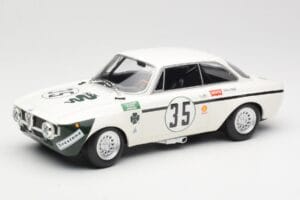
Alfa Romeo GTA 1300 Junior #35 C. Colzani / Pooky / G. Venturi 4 Hours of Jarama 1972 Minichamps 1:18
Only 1 left
Price:
123.00 €
Last one
Used
Back in stock

Alfa Romeo GTA 1300 Junior #33 T. Hezemans / G. van Lennep Division 1 Winners 4 Hours of Jarama 1972 Minichamps 1:18
Only 1 left
Price:
189.00 €
Collectors also bought
Browse all 1:18
Last one
Used


Ferrari 499P Hypercar AF Corse #83 R. Kubica / Y. Ye / R. Shwartzman 24 Hours of Le Mans 2024 Bburago 1:18
Only 3 left
Price:
104.00 €
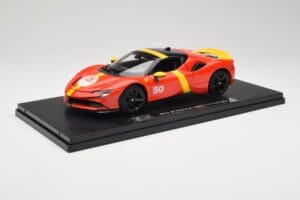
Ferrari SF90 Stradale #50 24 Hours of Le Mans 2024 Bburago 1:18
Price:
104.00 €
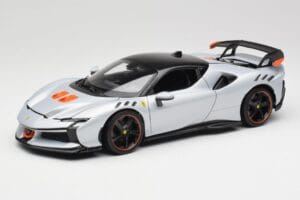
Ferrari SF90 XX Stradale Arctic White Bburago 1:18
Price:
62.00 €
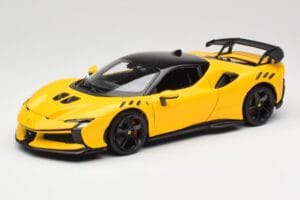
Ferrari SF90 XX Stradale Giallo Modena Bburago 1:18
Price:
63.00 €
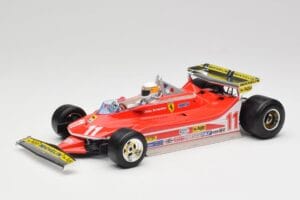
Ferrari 312T4 Short Tail #11 J. Scheckter Monaco Grand Prix 1979 Bburago 1:18
Only 3 left
Price:
77.00 €
Last one
Used

Ferrari Promo Set F40 550 Maranello Scuderia Ferrari F310 F1 1996 Bburago 1:18
Only 1 left
Price:
190.00 €
Last one
Used


Recently viewed
{"id":1688462,"name":"Alfa Romeo 8C Monza Black Bburago 1:18","price":"47.00 €<\/span><\/bdi><\/span>","image":"https:\/\/models118.com\/wp-content\/uploads\/2026\/10\/alfa-romeo-8c-monza-black-bburago-1-18-3014-p1-1-1-400x400.jpg","permalink":"https:\/\/models118.com\/alfa-romeo-8c-monza-black-bburago-1-18-3014-p1\/","brand":"Alfa Romeo"}