
Alfa Romeo Junior Zagato Green Norev 1:18
New arrival
1
/
8
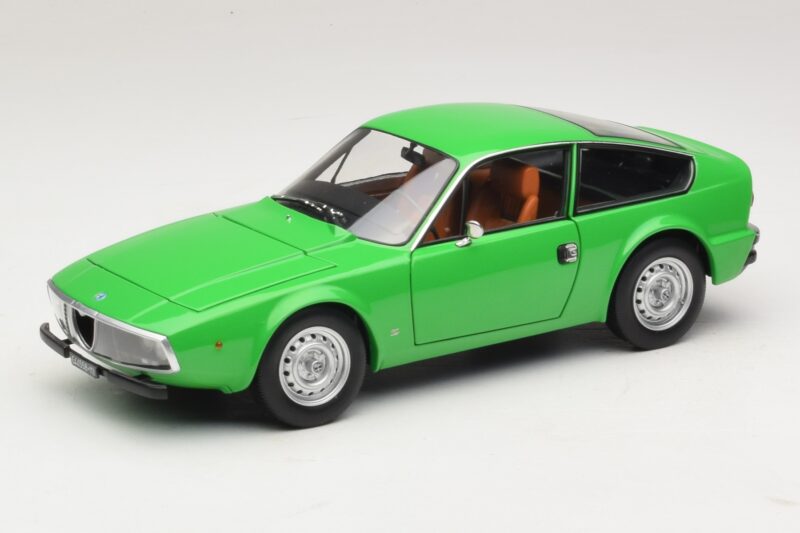
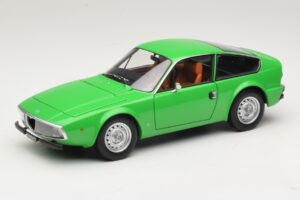
Norev's 1:18 diecast Alfa Romeo Junior Zagato in green models the 1969 Zagato-bodied coupe with opening panels and a distinctive tail. Zinc-alloy weight and an accessible price tier make it an inviting route into Italian coachbuilt classics, and a contrast piece among Giulia-family Alfas and 1960s sports coupes.
1 / 8
[{"index":0,"id":"1712922","thumb":"https:\/\/models118.com\/wp-content\/uploads\/2026\/11\/alfa-romeo-junior-zagato-green-norev-1-18-187832-1-1-300x200.jpg","medium":"https:\/\/models118.com\/wp-content\/uploads\/2026\/11\/alfa-romeo-junior-zagato-green-norev-1-18-187832-1-1-800x533.jpg","full":"https:\/\/models118.com\/wp-content\/uploads\/2026\/11\/alfa-romeo-junior-zagato-green-norev-1-18-187832-1-1.jpg","srcset":"https:\/\/models118.com\/wp-content\/uploads\/2026\/11\/alfa-romeo-junior-zagato-green-norev-1-18-187832-1-1-800x533.jpg 800w, https:\/\/models118.com\/wp-content\/uploads\/2026\/11\/alfa-romeo-junior-zagato-green-norev-1-18-187832-1-1-300x200.jpg 300w, https:\/\/models118.com\/wp-content\/uploads\/2026\/11\/alfa-romeo-junior-zagato-green-norev-1-18-187832-1-1-480x320.jpg 480w, https:\/\/models118.com\/wp-content\/uploads\/2026\/11\/alfa-romeo-junior-zagato-green-norev-1-18-187832-1-1-64x43.jpg 64w, https:\/\/models118.com\/wp-content\/uploads\/2026\/11\/alfa-romeo-junior-zagato-green-norev-1-18-187832-1-1.jpg 1800w","sizes":"(max-width: 1023px) 400px, 640px","srcsetAvif":"https:\/\/models118.com\/wp-content\/uploads\/2026\/11\/alfa-romeo-junior-zagato-green-norev-1-18-187832-1-1-800x533.jpg.avif 800w, https:\/\/models118.com\/wp-content\/uploads\/2026\/11\/alfa-romeo-junior-zagato-green-norev-1-18-187832-1-1-300x200.jpg.avif 300w, https:\/\/models118.com\/wp-content\/uploads\/2026\/11\/alfa-romeo-junior-zagato-green-norev-1-18-187832-1-1-480x320.jpg.avif 480w, https:\/\/models118.com\/wp-content\/uploads\/2026\/11\/alfa-romeo-junior-zagato-green-norev-1-18-187832-1-1-64x43.jpg.avif 64w, https:\/\/models118.com\/wp-content\/uploads\/2026\/11\/alfa-romeo-junior-zagato-green-norev-1-18-187832-1-1.jpg.avif 1800w","srcsetWebp":"https:\/\/models118.com\/wp-content\/uploads\/2026\/11\/alfa-romeo-junior-zagato-green-norev-1-18-187832-1-1-800x533.jpg.webp 800w, https:\/\/models118.com\/wp-content\/uploads\/2026\/11\/alfa-romeo-junior-zagato-green-norev-1-18-187832-1-1-300x200.jpg.webp 300w, https:\/\/models118.com\/wp-content\/uploads\/2026\/11\/alfa-romeo-junior-zagato-green-norev-1-18-187832-1-1-480x320.jpg.webp 480w, https:\/\/models118.com\/wp-content\/uploads\/2026\/11\/alfa-romeo-junior-zagato-green-norev-1-18-187832-1-1-64x43.jpg.webp 64w, https:\/\/models118.com\/wp-content\/uploads\/2026\/11\/alfa-romeo-junior-zagato-green-norev-1-18-187832-1-1.jpg.webp 1800w","alt":"Alfa Romeo Junior Zagato Green Norev 1:18 187832 Diecast"},{"index":1,"id":1712924,"thumb":"https:\/\/models118.com\/wp-content\/uploads\/2026\/11\/alfa-romeo-junior-zagato-green-norev-1-18-187832-1-300x200.jpg","medium":"https:\/\/models118.com\/wp-content\/uploads\/2026\/11\/alfa-romeo-junior-zagato-green-norev-1-18-187832-1-800x533.jpg","full":"https:\/\/models118.com\/wp-content\/uploads\/2026\/11\/alfa-romeo-junior-zagato-green-norev-1-18-187832-1.jpg","srcset":"https:\/\/models118.com\/wp-content\/uploads\/2026\/11\/alfa-romeo-junior-zagato-green-norev-1-18-187832-1-800x533.jpg 800w, https:\/\/models118.com\/wp-content\/uploads\/2026\/11\/alfa-romeo-junior-zagato-green-norev-1-18-187832-1-300x200.jpg 300w, https:\/\/models118.com\/wp-content\/uploads\/2026\/11\/alfa-romeo-junior-zagato-green-norev-1-18-187832-1-480x320.jpg 480w, https:\/\/models118.com\/wp-content\/uploads\/2026\/11\/alfa-romeo-junior-zagato-green-norev-1-18-187832-1-64x43.jpg 64w, https:\/\/models118.com\/wp-content\/uploads\/2026\/11\/alfa-romeo-junior-zagato-green-norev-1-18-187832-1.jpg 1800w","sizes":"(max-width: 1023px) 400px, 640px","srcsetAvif":"https:\/\/models118.com\/wp-content\/uploads\/2026\/11\/alfa-romeo-junior-zagato-green-norev-1-18-187832-1-800x533.jpg.avif 800w, https:\/\/models118.com\/wp-content\/uploads\/2026\/11\/alfa-romeo-junior-zagato-green-norev-1-18-187832-1-300x200.jpg.avif 300w, https:\/\/models118.com\/wp-content\/uploads\/2026\/11\/alfa-romeo-junior-zagato-green-norev-1-18-187832-1-480x320.jpg.avif 480w, https:\/\/models118.com\/wp-content\/uploads\/2026\/11\/alfa-romeo-junior-zagato-green-norev-1-18-187832-1-64x43.jpg.avif 64w, https:\/\/models118.com\/wp-content\/uploads\/2026\/11\/alfa-romeo-junior-zagato-green-norev-1-18-187832-1.jpg.avif 1800w","srcsetWebp":"https:\/\/models118.com\/wp-content\/uploads\/2026\/11\/alfa-romeo-junior-zagato-green-norev-1-18-187832-1-800x533.jpg.webp 800w, https:\/\/models118.com\/wp-content\/uploads\/2026\/11\/alfa-romeo-junior-zagato-green-norev-1-18-187832-1-300x200.jpg.webp 300w, https:\/\/models118.com\/wp-content\/uploads\/2026\/11\/alfa-romeo-junior-zagato-green-norev-1-18-187832-1-480x320.jpg.webp 480w, https:\/\/models118.com\/wp-content\/uploads\/2026\/11\/alfa-romeo-junior-zagato-green-norev-1-18-187832-1-64x43.jpg.webp 64w, https:\/\/models118.com\/wp-content\/uploads\/2026\/11\/alfa-romeo-junior-zagato-green-norev-1-18-187832-1.jpg.webp 1800w","alt":"Alfa Romeo Junior Zagato Green Norev 1:18 187832 Diecast - image 2 of 8"},{"index":2,"id":1712926,"thumb":"https:\/\/models118.com\/wp-content\/uploads\/2026\/11\/alfa-romeo-junior-zagato-green-norev-1-18-187832-2-300x200.jpg","medium":"https:\/\/models118.com\/wp-content\/uploads\/2026\/11\/alfa-romeo-junior-zagato-green-norev-1-18-187832-2-800x533.jpg","full":"https:\/\/models118.com\/wp-content\/uploads\/2026\/11\/alfa-romeo-junior-zagato-green-norev-1-18-187832-2.jpg","srcset":"https:\/\/models118.com\/wp-content\/uploads\/2026\/11\/alfa-romeo-junior-zagato-green-norev-1-18-187832-2-800x533.jpg 800w, https:\/\/models118.com\/wp-content\/uploads\/2026\/11\/alfa-romeo-junior-zagato-green-norev-1-18-187832-2-300x200.jpg 300w, https:\/\/models118.com\/wp-content\/uploads\/2026\/11\/alfa-romeo-junior-zagato-green-norev-1-18-187832-2-480x320.jpg 480w, https:\/\/models118.com\/wp-content\/uploads\/2026\/11\/alfa-romeo-junior-zagato-green-norev-1-18-187832-2-64x43.jpg 64w, https:\/\/models118.com\/wp-content\/uploads\/2026\/11\/alfa-romeo-junior-zagato-green-norev-1-18-187832-2.jpg 1800w","sizes":"(max-width: 1023px) 400px, 640px","srcsetAvif":"https:\/\/models118.com\/wp-content\/uploads\/2026\/11\/alfa-romeo-junior-zagato-green-norev-1-18-187832-2-800x533.jpg.avif 800w, https:\/\/models118.com\/wp-content\/uploads\/2026\/11\/alfa-romeo-junior-zagato-green-norev-1-18-187832-2-300x200.jpg.avif 300w, https:\/\/models118.com\/wp-content\/uploads\/2026\/11\/alfa-romeo-junior-zagato-green-norev-1-18-187832-2-480x320.jpg.avif 480w, https:\/\/models118.com\/wp-content\/uploads\/2026\/11\/alfa-romeo-junior-zagato-green-norev-1-18-187832-2-64x43.jpg.avif 64w, https:\/\/models118.com\/wp-content\/uploads\/2026\/11\/alfa-romeo-junior-zagato-green-norev-1-18-187832-2.jpg.avif 1800w","srcsetWebp":"https:\/\/models118.com\/wp-content\/uploads\/2026\/11\/alfa-romeo-junior-zagato-green-norev-1-18-187832-2-800x533.jpg.webp 800w, https:\/\/models118.com\/wp-content\/uploads\/2026\/11\/alfa-romeo-junior-zagato-green-norev-1-18-187832-2-300x200.jpg.webp 300w, https:\/\/models118.com\/wp-content\/uploads\/2026\/11\/alfa-romeo-junior-zagato-green-norev-1-18-187832-2-480x320.jpg.webp 480w, https:\/\/models118.com\/wp-content\/uploads\/2026\/11\/alfa-romeo-junior-zagato-green-norev-1-18-187832-2-64x43.jpg.webp 64w, https:\/\/models118.com\/wp-content\/uploads\/2026\/11\/alfa-romeo-junior-zagato-green-norev-1-18-187832-2.jpg.webp 1800w","alt":"Alfa Romeo Junior Zagato Green Norev 1:18 187832 Diecast - image 3 of 8"},{"index":3,"id":1712928,"thumb":"https:\/\/models118.com\/wp-content\/uploads\/2026\/11\/alfa-romeo-junior-zagato-green-norev-1-18-187832-3-300x200.jpg","medium":"https:\/\/models118.com\/wp-content\/uploads\/2026\/11\/alfa-romeo-junior-zagato-green-norev-1-18-187832-3-800x533.jpg","full":"https:\/\/models118.com\/wp-content\/uploads\/2026\/11\/alfa-romeo-junior-zagato-green-norev-1-18-187832-3.jpg","srcset":"https:\/\/models118.com\/wp-content\/uploads\/2026\/11\/alfa-romeo-junior-zagato-green-norev-1-18-187832-3-800x533.jpg 800w, https:\/\/models118.com\/wp-content\/uploads\/2026\/11\/alfa-romeo-junior-zagato-green-norev-1-18-187832-3-300x200.jpg 300w, https:\/\/models118.com\/wp-content\/uploads\/2026\/11\/alfa-romeo-junior-zagato-green-norev-1-18-187832-3-480x320.jpg 480w, https:\/\/models118.com\/wp-content\/uploads\/2026\/11\/alfa-romeo-junior-zagato-green-norev-1-18-187832-3-64x43.jpg 64w, https:\/\/models118.com\/wp-content\/uploads\/2026\/11\/alfa-romeo-junior-zagato-green-norev-1-18-187832-3.jpg 1800w","sizes":"(max-width: 1023px) 400px, 640px","srcsetAvif":"https:\/\/models118.com\/wp-content\/uploads\/2026\/11\/alfa-romeo-junior-zagato-green-norev-1-18-187832-3-800x533.jpg.avif 800w, https:\/\/models118.com\/wp-content\/uploads\/2026\/11\/alfa-romeo-junior-zagato-green-norev-1-18-187832-3-300x200.jpg.avif 300w, https:\/\/models118.com\/wp-content\/uploads\/2026\/11\/alfa-romeo-junior-zagato-green-norev-1-18-187832-3-480x320.jpg.avif 480w, https:\/\/models118.com\/wp-content\/uploads\/2026\/11\/alfa-romeo-junior-zagato-green-norev-1-18-187832-3-64x43.jpg.avif 64w, https:\/\/models118.com\/wp-content\/uploads\/2026\/11\/alfa-romeo-junior-zagato-green-norev-1-18-187832-3.jpg.avif 1800w","srcsetWebp":"https:\/\/models118.com\/wp-content\/uploads\/2026\/11\/alfa-romeo-junior-zagato-green-norev-1-18-187832-3-800x533.jpg.webp 800w, https:\/\/models118.com\/wp-content\/uploads\/2026\/11\/alfa-romeo-junior-zagato-green-norev-1-18-187832-3-300x200.jpg.webp 300w, https:\/\/models118.com\/wp-content\/uploads\/2026\/11\/alfa-romeo-junior-zagato-green-norev-1-18-187832-3-480x320.jpg.webp 480w, https:\/\/models118.com\/wp-content\/uploads\/2026\/11\/alfa-romeo-junior-zagato-green-norev-1-18-187832-3-64x43.jpg.webp 64w, https:\/\/models118.com\/wp-content\/uploads\/2026\/11\/alfa-romeo-junior-zagato-green-norev-1-18-187832-3.jpg.webp 1800w","alt":"Alfa Romeo Junior Zagato Green Norev 1:18 187832 Diecast - image 4 of 8"},{"index":4,"id":1712930,"thumb":"https:\/\/models118.com\/wp-content\/uploads\/2026\/11\/alfa-romeo-junior-zagato-green-norev-1-18-187832-4-300x200.jpg","medium":"https:\/\/models118.com\/wp-content\/uploads\/2026\/11\/alfa-romeo-junior-zagato-green-norev-1-18-187832-4-800x533.jpg","full":"https:\/\/models118.com\/wp-content\/uploads\/2026\/11\/alfa-romeo-junior-zagato-green-norev-1-18-187832-4.jpg","srcset":"https:\/\/models118.com\/wp-content\/uploads\/2026\/11\/alfa-romeo-junior-zagato-green-norev-1-18-187832-4-800x533.jpg 800w, https:\/\/models118.com\/wp-content\/uploads\/2026\/11\/alfa-romeo-junior-zagato-green-norev-1-18-187832-4-300x200.jpg 300w, https:\/\/models118.com\/wp-content\/uploads\/2026\/11\/alfa-romeo-junior-zagato-green-norev-1-18-187832-4-480x320.jpg 480w, https:\/\/models118.com\/wp-content\/uploads\/2026\/11\/alfa-romeo-junior-zagato-green-norev-1-18-187832-4-64x43.jpg 64w, https:\/\/models118.com\/wp-content\/uploads\/2026\/11\/alfa-romeo-junior-zagato-green-norev-1-18-187832-4.jpg 1800w","sizes":"(max-width: 1023px) 400px, 640px","srcsetAvif":"https:\/\/models118.com\/wp-content\/uploads\/2026\/11\/alfa-romeo-junior-zagato-green-norev-1-18-187832-4-800x533.jpg.avif 800w, https:\/\/models118.com\/wp-content\/uploads\/2026\/11\/alfa-romeo-junior-zagato-green-norev-1-18-187832-4-300x200.jpg.avif 300w, https:\/\/models118.com\/wp-content\/uploads\/2026\/11\/alfa-romeo-junior-zagato-green-norev-1-18-187832-4-480x320.jpg.avif 480w, https:\/\/models118.com\/wp-content\/uploads\/2026\/11\/alfa-romeo-junior-zagato-green-norev-1-18-187832-4-64x43.jpg.avif 64w, https:\/\/models118.com\/wp-content\/uploads\/2026\/11\/alfa-romeo-junior-zagato-green-norev-1-18-187832-4.jpg.avif 1800w","srcsetWebp":"https:\/\/models118.com\/wp-content\/uploads\/2026\/11\/alfa-romeo-junior-zagato-green-norev-1-18-187832-4-800x533.jpg.webp 800w, https:\/\/models118.com\/wp-content\/uploads\/2026\/11\/alfa-romeo-junior-zagato-green-norev-1-18-187832-4-300x200.jpg.webp 300w, https:\/\/models118.com\/wp-content\/uploads\/2026\/11\/alfa-romeo-junior-zagato-green-norev-1-18-187832-4-480x320.jpg.webp 480w, https:\/\/models118.com\/wp-content\/uploads\/2026\/11\/alfa-romeo-junior-zagato-green-norev-1-18-187832-4-64x43.jpg.webp 64w, https:\/\/models118.com\/wp-content\/uploads\/2026\/11\/alfa-romeo-junior-zagato-green-norev-1-18-187832-4.jpg.webp 1800w","alt":"Alfa Romeo Junior Zagato Green Norev 1:18 187832 Diecast - image 5 of 8"},{"index":5,"id":1712932,"thumb":"https:\/\/models118.com\/wp-content\/uploads\/2026\/11\/alfa-romeo-junior-zagato-green-norev-1-18-187832-5-300x200.jpg","medium":"https:\/\/models118.com\/wp-content\/uploads\/2026\/11\/alfa-romeo-junior-zagato-green-norev-1-18-187832-5-800x533.jpg","full":"https:\/\/models118.com\/wp-content\/uploads\/2026\/11\/alfa-romeo-junior-zagato-green-norev-1-18-187832-5.jpg","srcset":"https:\/\/models118.com\/wp-content\/uploads\/2026\/11\/alfa-romeo-junior-zagato-green-norev-1-18-187832-5-800x533.jpg 800w, https:\/\/models118.com\/wp-content\/uploads\/2026\/11\/alfa-romeo-junior-zagato-green-norev-1-18-187832-5-300x200.jpg 300w, https:\/\/models118.com\/wp-content\/uploads\/2026\/11\/alfa-romeo-junior-zagato-green-norev-1-18-187832-5-480x320.jpg 480w, https:\/\/models118.com\/wp-content\/uploads\/2026\/11\/alfa-romeo-junior-zagato-green-norev-1-18-187832-5-64x43.jpg 64w, https:\/\/models118.com\/wp-content\/uploads\/2026\/11\/alfa-romeo-junior-zagato-green-norev-1-18-187832-5.jpg 1800w","sizes":"(max-width: 1023px) 400px, 640px","srcsetAvif":"https:\/\/models118.com\/wp-content\/uploads\/2026\/11\/alfa-romeo-junior-zagato-green-norev-1-18-187832-5-800x533.jpg.avif 800w, https:\/\/models118.com\/wp-content\/uploads\/2026\/11\/alfa-romeo-junior-zagato-green-norev-1-18-187832-5-300x200.jpg.avif 300w, https:\/\/models118.com\/wp-content\/uploads\/2026\/11\/alfa-romeo-junior-zagato-green-norev-1-18-187832-5-480x320.jpg.avif 480w, https:\/\/models118.com\/wp-content\/uploads\/2026\/11\/alfa-romeo-junior-zagato-green-norev-1-18-187832-5-64x43.jpg.avif 64w, https:\/\/models118.com\/wp-content\/uploads\/2026\/11\/alfa-romeo-junior-zagato-green-norev-1-18-187832-5.jpg.avif 1800w","srcsetWebp":"https:\/\/models118.com\/wp-content\/uploads\/2026\/11\/alfa-romeo-junior-zagato-green-norev-1-18-187832-5-800x533.jpg.webp 800w, https:\/\/models118.com\/wp-content\/uploads\/2026\/11\/alfa-romeo-junior-zagato-green-norev-1-18-187832-5-300x200.jpg.webp 300w, https:\/\/models118.com\/wp-content\/uploads\/2026\/11\/alfa-romeo-junior-zagato-green-norev-1-18-187832-5-480x320.jpg.webp 480w, https:\/\/models118.com\/wp-content\/uploads\/2026\/11\/alfa-romeo-junior-zagato-green-norev-1-18-187832-5-64x43.jpg.webp 64w, https:\/\/models118.com\/wp-content\/uploads\/2026\/11\/alfa-romeo-junior-zagato-green-norev-1-18-187832-5.jpg.webp 1800w","alt":"Alfa Romeo Junior Zagato Green Norev 1:18 187832 Diecast - image 6 of 8"},{"index":6,"id":1712934,"thumb":"https:\/\/models118.com\/wp-content\/uploads\/2026\/11\/alfa-romeo-junior-zagato-green-norev-1-18-187832-6-300x200.jpg","medium":"https:\/\/models118.com\/wp-content\/uploads\/2026\/11\/alfa-romeo-junior-zagato-green-norev-1-18-187832-6-800x533.jpg","full":"https:\/\/models118.com\/wp-content\/uploads\/2026\/11\/alfa-romeo-junior-zagato-green-norev-1-18-187832-6.jpg","srcset":"https:\/\/models118.com\/wp-content\/uploads\/2026\/11\/alfa-romeo-junior-zagato-green-norev-1-18-187832-6-800x533.jpg 800w, https:\/\/models118.com\/wp-content\/uploads\/2026\/11\/alfa-romeo-junior-zagato-green-norev-1-18-187832-6-300x200.jpg 300w, https:\/\/models118.com\/wp-content\/uploads\/2026\/11\/alfa-romeo-junior-zagato-green-norev-1-18-187832-6-480x320.jpg 480w, https:\/\/models118.com\/wp-content\/uploads\/2026\/11\/alfa-romeo-junior-zagato-green-norev-1-18-187832-6-64x43.jpg 64w, https:\/\/models118.com\/wp-content\/uploads\/2026\/11\/alfa-romeo-junior-zagato-green-norev-1-18-187832-6.jpg 1800w","sizes":"(max-width: 1023px) 400px, 640px","srcsetAvif":"https:\/\/models118.com\/wp-content\/uploads\/2026\/11\/alfa-romeo-junior-zagato-green-norev-1-18-187832-6-800x533.jpg.avif 800w, https:\/\/models118.com\/wp-content\/uploads\/2026\/11\/alfa-romeo-junior-zagato-green-norev-1-18-187832-6-300x200.jpg.avif 300w, https:\/\/models118.com\/wp-content\/uploads\/2026\/11\/alfa-romeo-junior-zagato-green-norev-1-18-187832-6-480x320.jpg.avif 480w, https:\/\/models118.com\/wp-content\/uploads\/2026\/11\/alfa-romeo-junior-zagato-green-norev-1-18-187832-6-64x43.jpg.avif 64w, https:\/\/models118.com\/wp-content\/uploads\/2026\/11\/alfa-romeo-junior-zagato-green-norev-1-18-187832-6.jpg.avif 1800w","srcsetWebp":"https:\/\/models118.com\/wp-content\/uploads\/2026\/11\/alfa-romeo-junior-zagato-green-norev-1-18-187832-6-800x533.jpg.webp 800w, https:\/\/models118.com\/wp-content\/uploads\/2026\/11\/alfa-romeo-junior-zagato-green-norev-1-18-187832-6-300x200.jpg.webp 300w, https:\/\/models118.com\/wp-content\/uploads\/2026\/11\/alfa-romeo-junior-zagato-green-norev-1-18-187832-6-480x320.jpg.webp 480w, https:\/\/models118.com\/wp-content\/uploads\/2026\/11\/alfa-romeo-junior-zagato-green-norev-1-18-187832-6-64x43.jpg.webp 64w, https:\/\/models118.com\/wp-content\/uploads\/2026\/11\/alfa-romeo-junior-zagato-green-norev-1-18-187832-6.jpg.webp 1800w","alt":"Alfa Romeo Junior Zagato Green Norev 1:18 187832 Diecast - image 7 of 8"},{"index":7,"id":1712937,"thumb":"https:\/\/models118.com\/wp-content\/uploads\/2026\/11\/alfa-romeo-junior-zagato-green-norev-1-18-187832-7-300x200.jpg","medium":"https:\/\/models118.com\/wp-content\/uploads\/2026\/11\/alfa-romeo-junior-zagato-green-norev-1-18-187832-7-800x533.jpg","full":"https:\/\/models118.com\/wp-content\/uploads\/2026\/11\/alfa-romeo-junior-zagato-green-norev-1-18-187832-7.jpg","srcset":"https:\/\/models118.com\/wp-content\/uploads\/2026\/11\/alfa-romeo-junior-zagato-green-norev-1-18-187832-7-800x533.jpg 800w, https:\/\/models118.com\/wp-content\/uploads\/2026\/11\/alfa-romeo-junior-zagato-green-norev-1-18-187832-7-300x200.jpg 300w, https:\/\/models118.com\/wp-content\/uploads\/2026\/11\/alfa-romeo-junior-zagato-green-norev-1-18-187832-7-480x320.jpg 480w, https:\/\/models118.com\/wp-content\/uploads\/2026\/11\/alfa-romeo-junior-zagato-green-norev-1-18-187832-7-64x43.jpg 64w, https:\/\/models118.com\/wp-content\/uploads\/2026\/11\/alfa-romeo-junior-zagato-green-norev-1-18-187832-7.jpg 1800w","sizes":"(max-width: 1023px) 400px, 640px","srcsetAvif":"https:\/\/models118.com\/wp-content\/uploads\/2026\/11\/alfa-romeo-junior-zagato-green-norev-1-18-187832-7-800x533.jpg.avif 800w, https:\/\/models118.com\/wp-content\/uploads\/2026\/11\/alfa-romeo-junior-zagato-green-norev-1-18-187832-7-300x200.jpg.avif 300w, https:\/\/models118.com\/wp-content\/uploads\/2026\/11\/alfa-romeo-junior-zagato-green-norev-1-18-187832-7-480x320.jpg.avif 480w, https:\/\/models118.com\/wp-content\/uploads\/2026\/11\/alfa-romeo-junior-zagato-green-norev-1-18-187832-7-64x43.jpg.avif 64w, https:\/\/models118.com\/wp-content\/uploads\/2026\/11\/alfa-romeo-junior-zagato-green-norev-1-18-187832-7.jpg.avif 1800w","srcsetWebp":"https:\/\/models118.com\/wp-content\/uploads\/2026\/11\/alfa-romeo-junior-zagato-green-norev-1-18-187832-7-800x533.jpg.webp 800w, https:\/\/models118.com\/wp-content\/uploads\/2026\/11\/alfa-romeo-junior-zagato-green-norev-1-18-187832-7-300x200.jpg.webp 300w, https:\/\/models118.com\/wp-content\/uploads\/2026\/11\/alfa-romeo-junior-zagato-green-norev-1-18-187832-7-480x320.jpg.webp 480w, https:\/\/models118.com\/wp-content\/uploads\/2026\/11\/alfa-romeo-junior-zagato-green-norev-1-18-187832-7-64x43.jpg.webp 64w, https:\/\/models118.com\/wp-content\/uploads\/2026\/11\/alfa-romeo-junior-zagato-green-norev-1-18-187832-7.jpg.webp 1800w","alt":"Alfa Romeo Junior Zagato Green Norev 1:18 187832 Diecast - image 8 of 8"}]
Alfa Romeo Junior Zagato Green Norev 1:18
Current price:
98.00 €
In stock
Estimated delivery: Nov 12–17, 2026
Shipping rates by country
5% discount on your first order — create a free account
Shipping to 79 countries
Worldwide delivery
Prices incl. 23% VAT
No hidden costs
Shipping rates by country
Tracked & insured
Pay in EUR €
Local currency
Specifications
- Brand
- Alfa Romeo
- Manufacturer
- Norev
- Scale
- 1:18
- Material
- Diecast
- Model Condition
- New Model
- SKU
- 187832
- Year
- 1969
- Era
- 1960s
- Body Type
- Coupe
- Vehicle Class
- Classic Sports
- Openable Parts
- Yes
- Packaging Condition
- New
- Model Type
- Street Models
- EAN / GTIN
- 3551091878322
100% authentic
Direct from manufacturers
5-layer carton
Foam-filled interior
Easy returns
14 days, no questions asked
Secure payment
256-bit SSL encryption
About the Alfa Romeo Junior Zagato Green Norev 1:18
TL;DR: The Norev Alfa Romeo Junior Zagato 1:18 is a green diecast replica of the 1969 Zagato-bodied coupe. Opening panels let you inspect the model beyond the shell, while the compact, distinctive tail makes it a Zagato highlight among Italian classic sports cars at an accessible tier.
Zagato rarely drew a conventional line, and the Junior Z is proof. Norev's Alfa Romeo Junior Zagato 1:18 gives collectors a compact Italian coupe with a tail unlike any other Alfa of its time, here in green diecast with panels that open for a closer look at how the model is made.
Norev Alfa Romeo Junior Zagato 1:18 in Diecast
Zinc Alloy Heft at an Accessible Tier
Norev's diecast sits at an accessible price point, and it shows in the build logic: a solid zinc-alloy body with weight that registers the moment you lift it, and opening panels that add inspection angles. The honest trade-off at this tier is looser tolerances. Hinged parts need clearance, so shut lines run slightly wider than a sealed resin casting would show, and finishing is more utilitarian than hand-assembled pieces. For a compact classic coupe, that balance suits the subject, and it keeps a Zagato within reach of collectors who do not want to spend at the top of the market.
Green Paint and the Zagato Profile
A green body over a hard metal shell reads deep under a display lamp, and the gloss on a coupe this compact should look even from nose to tail. The Zagato profile is the point of the model, so judge the tail first: its shape should be abrupt and distinctive rather than rounded off. Then check the grille and badge edges, the glazing fit and the wheel proportions. A correct stance on small classic wheels is more telling than any single detail, because it fixes the car's character from across a room.
Zagato Coachwork on Giulia-Family Mechanicals
How the Junior Z Differs From a Standard Coupe
The Junior Zagato appeared in 1969 as a Zagato-bodied coupe built on Alfa Romeo's Giulia-family mechanicals, and it was made in small numbers compared with the standard coupes. The difference is visible: where the production coupe is a tidy, conventional shape, the Zagato body is shorter and more sculpted, with a tail that announces the coachbuilder. That contrast is the reason to collect the model. It shows how an Italian coachbuilder could take a familiar platform and give it a very different personality.
Italian Classics on One Shelf
Placed beside a standard Giulia-family coupe in the same scale, the Junior Z reads as an interpretation rather than a duplicate. It also pairs with other 1960s Italian coupes, where the compact size and green finish provide variety among reds and silvers. For American collectors, who often specialize by marque, an Alfa Romeo Zagato is a distinctive way to deepen an Italian-car theme without leaving the brand. It rewards a second look, which is exactly what a good shelf piece should do.
Display and Collecting Notes for a Zagato Coupe
At 1:18 this coupe measures only a little over 20 cm, so it fits easily into crowded cabinets and tucks beside larger pieces without being overshadowed. Diecast with opening panels offers more to examine than a sealed model, at the cost of slightly wider shut lines. Open the panels sparingly, dust with a soft brush, and light it from above to bring out the green. Collectors weighing it against pricier coachbuilt classics should value the accessible tier and the distinctive subject. Order it as a compact Italian contrast to larger sports-car shelves.
From the same collection
Alfa Romeo P3 #95 R. Caracciola Klausen Pass Hillclimb Winner 1932 CMC 1:18
Only 5 left
Price:
600.00 €
Back in stock
Last one
Used

Last one
Used
Last one
Used

Alfa Romeo GTA 1300 Junior #40 F. Picchi / J-C. Chasseuil Division 1 Winners 12 Hours of Paul Ricard 1971 Minichamps 1:18
Only 1 left
Price:
189.00 €
Last one
Used

Alfa Romeo GTA 1300 Junior #33 T. Hezemans / G. van Lennep Division 1 Winners 4 Hours of Jarama 1972 Minichamps 1:18
Only 1 left
Price:
189.00 €
Collectors also bought
Browse all 1:18
Mercedes S-Class W220 S600 Limited Edition Norev 1:18
Price:
100.00 €

Mercedes 500 SL R129 Limited Edition Norev 1:18
Price:
96.00 €

Mercedes 190 E W201 Limited Edition Norev 1:18
Price:
102.00 €

BMW X6M F86 Red Norev 1:18
Price:
94.00 €
Back in stock

Volvo 1800 ES Green Norev 1:18
Price:
71.00 €
Recently viewed
{"id":1711713,"name":"Alfa Romeo Junior Zagato Green Norev 1:18","price":"98.00 €<\/span><\/bdi><\/span>","image":"https:\/\/models118.com\/wp-content\/uploads\/2026\/11\/alfa-romeo-junior-zagato-green-norev-1-18-187832-1-1-400x400.jpg","permalink":"https:\/\/models118.com\/alfa-romeo-junior-zagato-green-norev-1-18-187832\/","brand":"Alfa Romeo"}