
Alfa Romeo Junior Zagato Medium Blue Norev 1:18
New arrival
1
/
8
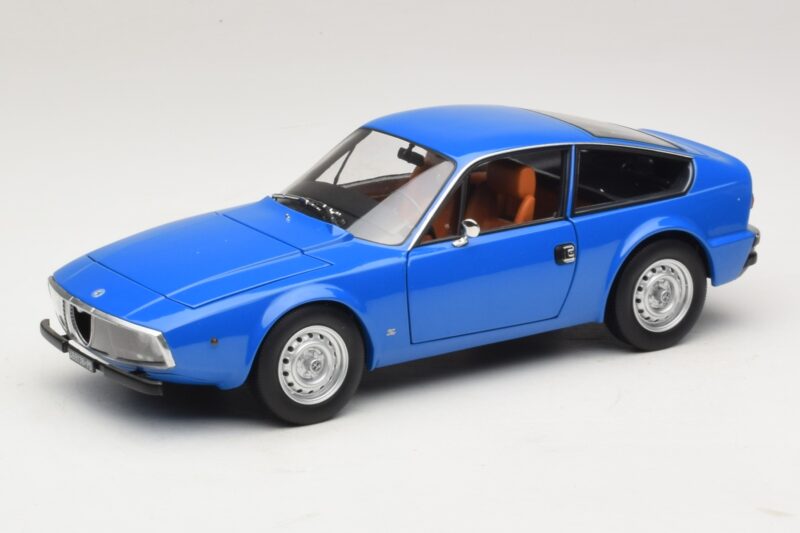
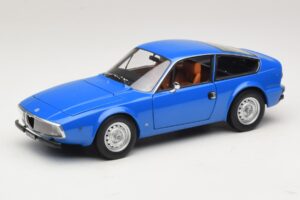
Norev's 1:18 diecast Alfa Romeo Junior Zagato in Medium Blue recreates the 1969 Zagato-bodied coupe with a heavy metal body and articulating panels. Ercole Spada's short, low profile and cut-off tail read clearly at this scale, and the Medium Blue paint shows its depth under a shelf lamp. An accessible diecast for collectors building a run of 1960s Italian coupes, with visible panel seams as the honest trade-off for a body that moves.
1 / 8
[{"index":0,"id":"1712923","thumb":"https:\/\/models118.com\/wp-content\/uploads\/2026\/11\/alfa-romeo-junior-zagato-medium-blue-norev-1-18-187831-1-1-300x200.jpg","medium":"https:\/\/models118.com\/wp-content\/uploads\/2026\/11\/alfa-romeo-junior-zagato-medium-blue-norev-1-18-187831-1-1-800x533.jpg","full":"https:\/\/models118.com\/wp-content\/uploads\/2026\/11\/alfa-romeo-junior-zagato-medium-blue-norev-1-18-187831-1-1.jpg","srcset":"https:\/\/models118.com\/wp-content\/uploads\/2026\/11\/alfa-romeo-junior-zagato-medium-blue-norev-1-18-187831-1-1-800x533.jpg 800w, https:\/\/models118.com\/wp-content\/uploads\/2026\/11\/alfa-romeo-junior-zagato-medium-blue-norev-1-18-187831-1-1-300x200.jpg 300w, https:\/\/models118.com\/wp-content\/uploads\/2026\/11\/alfa-romeo-junior-zagato-medium-blue-norev-1-18-187831-1-1-480x320.jpg 480w, https:\/\/models118.com\/wp-content\/uploads\/2026\/11\/alfa-romeo-junior-zagato-medium-blue-norev-1-18-187831-1-1-64x43.jpg 64w, https:\/\/models118.com\/wp-content\/uploads\/2026\/11\/alfa-romeo-junior-zagato-medium-blue-norev-1-18-187831-1-1.jpg 1800w","sizes":"(max-width: 1023px) 400px, 640px","srcsetAvif":"https:\/\/models118.com\/wp-content\/uploads\/2026\/11\/alfa-romeo-junior-zagato-medium-blue-norev-1-18-187831-1-1-800x533.jpg.avif 800w, https:\/\/models118.com\/wp-content\/uploads\/2026\/11\/alfa-romeo-junior-zagato-medium-blue-norev-1-18-187831-1-1-300x200.jpg.avif 300w, https:\/\/models118.com\/wp-content\/uploads\/2026\/11\/alfa-romeo-junior-zagato-medium-blue-norev-1-18-187831-1-1-480x320.jpg.avif 480w, https:\/\/models118.com\/wp-content\/uploads\/2026\/11\/alfa-romeo-junior-zagato-medium-blue-norev-1-18-187831-1-1-64x43.jpg.avif 64w, https:\/\/models118.com\/wp-content\/uploads\/2026\/11\/alfa-romeo-junior-zagato-medium-blue-norev-1-18-187831-1-1.jpg.avif 1800w","srcsetWebp":"https:\/\/models118.com\/wp-content\/uploads\/2026\/11\/alfa-romeo-junior-zagato-medium-blue-norev-1-18-187831-1-1-800x533.jpg.webp 800w, https:\/\/models118.com\/wp-content\/uploads\/2026\/11\/alfa-romeo-junior-zagato-medium-blue-norev-1-18-187831-1-1-300x200.jpg.webp 300w, https:\/\/models118.com\/wp-content\/uploads\/2026\/11\/alfa-romeo-junior-zagato-medium-blue-norev-1-18-187831-1-1-480x320.jpg.webp 480w, https:\/\/models118.com\/wp-content\/uploads\/2026\/11\/alfa-romeo-junior-zagato-medium-blue-norev-1-18-187831-1-1-64x43.jpg.webp 64w, https:\/\/models118.com\/wp-content\/uploads\/2026\/11\/alfa-romeo-junior-zagato-medium-blue-norev-1-18-187831-1-1.jpg.webp 1800w","alt":"Alfa Romeo Junior Zagato Medium Blue Norev 1:18 187831 Diecast"},{"index":1,"id":1712925,"thumb":"https:\/\/models118.com\/wp-content\/uploads\/2026\/11\/alfa-romeo-junior-zagato-medium-blue-norev-1-18-187831-1-300x200.jpg","medium":"https:\/\/models118.com\/wp-content\/uploads\/2026\/11\/alfa-romeo-junior-zagato-medium-blue-norev-1-18-187831-1-800x533.jpg","full":"https:\/\/models118.com\/wp-content\/uploads\/2026\/11\/alfa-romeo-junior-zagato-medium-blue-norev-1-18-187831-1.jpg","srcset":"https:\/\/models118.com\/wp-content\/uploads\/2026\/11\/alfa-romeo-junior-zagato-medium-blue-norev-1-18-187831-1-800x533.jpg 800w, https:\/\/models118.com\/wp-content\/uploads\/2026\/11\/alfa-romeo-junior-zagato-medium-blue-norev-1-18-187831-1-300x200.jpg 300w, https:\/\/models118.com\/wp-content\/uploads\/2026\/11\/alfa-romeo-junior-zagato-medium-blue-norev-1-18-187831-1-480x320.jpg 480w, https:\/\/models118.com\/wp-content\/uploads\/2026\/11\/alfa-romeo-junior-zagato-medium-blue-norev-1-18-187831-1-64x43.jpg 64w, https:\/\/models118.com\/wp-content\/uploads\/2026\/11\/alfa-romeo-junior-zagato-medium-blue-norev-1-18-187831-1.jpg 1800w","sizes":"(max-width: 1023px) 400px, 640px","srcsetAvif":"https:\/\/models118.com\/wp-content\/uploads\/2026\/11\/alfa-romeo-junior-zagato-medium-blue-norev-1-18-187831-1-800x533.jpg.avif 800w, https:\/\/models118.com\/wp-content\/uploads\/2026\/11\/alfa-romeo-junior-zagato-medium-blue-norev-1-18-187831-1-300x200.jpg.avif 300w, https:\/\/models118.com\/wp-content\/uploads\/2026\/11\/alfa-romeo-junior-zagato-medium-blue-norev-1-18-187831-1-480x320.jpg.avif 480w, https:\/\/models118.com\/wp-content\/uploads\/2026\/11\/alfa-romeo-junior-zagato-medium-blue-norev-1-18-187831-1-64x43.jpg.avif 64w, https:\/\/models118.com\/wp-content\/uploads\/2026\/11\/alfa-romeo-junior-zagato-medium-blue-norev-1-18-187831-1.jpg.avif 1800w","srcsetWebp":"https:\/\/models118.com\/wp-content\/uploads\/2026\/11\/alfa-romeo-junior-zagato-medium-blue-norev-1-18-187831-1-800x533.jpg.webp 800w, https:\/\/models118.com\/wp-content\/uploads\/2026\/11\/alfa-romeo-junior-zagato-medium-blue-norev-1-18-187831-1-300x200.jpg.webp 300w, https:\/\/models118.com\/wp-content\/uploads\/2026\/11\/alfa-romeo-junior-zagato-medium-blue-norev-1-18-187831-1-480x320.jpg.webp 480w, https:\/\/models118.com\/wp-content\/uploads\/2026\/11\/alfa-romeo-junior-zagato-medium-blue-norev-1-18-187831-1-64x43.jpg.webp 64w, https:\/\/models118.com\/wp-content\/uploads\/2026\/11\/alfa-romeo-junior-zagato-medium-blue-norev-1-18-187831-1.jpg.webp 1800w","alt":"Alfa Romeo Junior Zagato Medium Blue Norev 1:18 187831 Diecast - image 2 of 8"},{"index":2,"id":1712927,"thumb":"https:\/\/models118.com\/wp-content\/uploads\/2026\/11\/alfa-romeo-junior-zagato-medium-blue-norev-1-18-187831-2-300x200.jpg","medium":"https:\/\/models118.com\/wp-content\/uploads\/2026\/11\/alfa-romeo-junior-zagato-medium-blue-norev-1-18-187831-2-800x533.jpg","full":"https:\/\/models118.com\/wp-content\/uploads\/2026\/11\/alfa-romeo-junior-zagato-medium-blue-norev-1-18-187831-2.jpg","srcset":"https:\/\/models118.com\/wp-content\/uploads\/2026\/11\/alfa-romeo-junior-zagato-medium-blue-norev-1-18-187831-2-800x533.jpg 800w, https:\/\/models118.com\/wp-content\/uploads\/2026\/11\/alfa-romeo-junior-zagato-medium-blue-norev-1-18-187831-2-300x200.jpg 300w, https:\/\/models118.com\/wp-content\/uploads\/2026\/11\/alfa-romeo-junior-zagato-medium-blue-norev-1-18-187831-2-480x320.jpg 480w, https:\/\/models118.com\/wp-content\/uploads\/2026\/11\/alfa-romeo-junior-zagato-medium-blue-norev-1-18-187831-2-64x43.jpg 64w, https:\/\/models118.com\/wp-content\/uploads\/2026\/11\/alfa-romeo-junior-zagato-medium-blue-norev-1-18-187831-2.jpg 1800w","sizes":"(max-width: 1023px) 400px, 640px","srcsetAvif":"https:\/\/models118.com\/wp-content\/uploads\/2026\/11\/alfa-romeo-junior-zagato-medium-blue-norev-1-18-187831-2-800x533.jpg.avif 800w, https:\/\/models118.com\/wp-content\/uploads\/2026\/11\/alfa-romeo-junior-zagato-medium-blue-norev-1-18-187831-2-300x200.jpg.avif 300w, https:\/\/models118.com\/wp-content\/uploads\/2026\/11\/alfa-romeo-junior-zagato-medium-blue-norev-1-18-187831-2-480x320.jpg.avif 480w, https:\/\/models118.com\/wp-content\/uploads\/2026\/11\/alfa-romeo-junior-zagato-medium-blue-norev-1-18-187831-2-64x43.jpg.avif 64w, https:\/\/models118.com\/wp-content\/uploads\/2026\/11\/alfa-romeo-junior-zagato-medium-blue-norev-1-18-187831-2.jpg.avif 1800w","srcsetWebp":"https:\/\/models118.com\/wp-content\/uploads\/2026\/11\/alfa-romeo-junior-zagato-medium-blue-norev-1-18-187831-2-800x533.jpg.webp 800w, https:\/\/models118.com\/wp-content\/uploads\/2026\/11\/alfa-romeo-junior-zagato-medium-blue-norev-1-18-187831-2-300x200.jpg.webp 300w, https:\/\/models118.com\/wp-content\/uploads\/2026\/11\/alfa-romeo-junior-zagato-medium-blue-norev-1-18-187831-2-480x320.jpg.webp 480w, https:\/\/models118.com\/wp-content\/uploads\/2026\/11\/alfa-romeo-junior-zagato-medium-blue-norev-1-18-187831-2-64x43.jpg.webp 64w, https:\/\/models118.com\/wp-content\/uploads\/2026\/11\/alfa-romeo-junior-zagato-medium-blue-norev-1-18-187831-2.jpg.webp 1800w","alt":"Alfa Romeo Junior Zagato Medium Blue Norev 1:18 187831 Diecast - image 3 of 8"},{"index":3,"id":1712929,"thumb":"https:\/\/models118.com\/wp-content\/uploads\/2026\/11\/alfa-romeo-junior-zagato-medium-blue-norev-1-18-187831-3-300x200.jpg","medium":"https:\/\/models118.com\/wp-content\/uploads\/2026\/11\/alfa-romeo-junior-zagato-medium-blue-norev-1-18-187831-3-800x533.jpg","full":"https:\/\/models118.com\/wp-content\/uploads\/2026\/11\/alfa-romeo-junior-zagato-medium-blue-norev-1-18-187831-3.jpg","srcset":"https:\/\/models118.com\/wp-content\/uploads\/2026\/11\/alfa-romeo-junior-zagato-medium-blue-norev-1-18-187831-3-800x533.jpg 800w, https:\/\/models118.com\/wp-content\/uploads\/2026\/11\/alfa-romeo-junior-zagato-medium-blue-norev-1-18-187831-3-300x200.jpg 300w, https:\/\/models118.com\/wp-content\/uploads\/2026\/11\/alfa-romeo-junior-zagato-medium-blue-norev-1-18-187831-3-480x320.jpg 480w, https:\/\/models118.com\/wp-content\/uploads\/2026\/11\/alfa-romeo-junior-zagato-medium-blue-norev-1-18-187831-3-64x43.jpg 64w, https:\/\/models118.com\/wp-content\/uploads\/2026\/11\/alfa-romeo-junior-zagato-medium-blue-norev-1-18-187831-3.jpg 1800w","sizes":"(max-width: 1023px) 400px, 640px","srcsetAvif":"https:\/\/models118.com\/wp-content\/uploads\/2026\/11\/alfa-romeo-junior-zagato-medium-blue-norev-1-18-187831-3-800x533.jpg.avif 800w, https:\/\/models118.com\/wp-content\/uploads\/2026\/11\/alfa-romeo-junior-zagato-medium-blue-norev-1-18-187831-3-300x200.jpg.avif 300w, https:\/\/models118.com\/wp-content\/uploads\/2026\/11\/alfa-romeo-junior-zagato-medium-blue-norev-1-18-187831-3-480x320.jpg.avif 480w, https:\/\/models118.com\/wp-content\/uploads\/2026\/11\/alfa-romeo-junior-zagato-medium-blue-norev-1-18-187831-3-64x43.jpg.avif 64w, https:\/\/models118.com\/wp-content\/uploads\/2026\/11\/alfa-romeo-junior-zagato-medium-blue-norev-1-18-187831-3.jpg.avif 1800w","srcsetWebp":"https:\/\/models118.com\/wp-content\/uploads\/2026\/11\/alfa-romeo-junior-zagato-medium-blue-norev-1-18-187831-3-800x533.jpg.webp 800w, https:\/\/models118.com\/wp-content\/uploads\/2026\/11\/alfa-romeo-junior-zagato-medium-blue-norev-1-18-187831-3-300x200.jpg.webp 300w, https:\/\/models118.com\/wp-content\/uploads\/2026\/11\/alfa-romeo-junior-zagato-medium-blue-norev-1-18-187831-3-480x320.jpg.webp 480w, https:\/\/models118.com\/wp-content\/uploads\/2026\/11\/alfa-romeo-junior-zagato-medium-blue-norev-1-18-187831-3-64x43.jpg.webp 64w, https:\/\/models118.com\/wp-content\/uploads\/2026\/11\/alfa-romeo-junior-zagato-medium-blue-norev-1-18-187831-3.jpg.webp 1800w","alt":"Alfa Romeo Junior Zagato Medium Blue Norev 1:18 187831 Diecast - image 4 of 8"},{"index":4,"id":1712931,"thumb":"https:\/\/models118.com\/wp-content\/uploads\/2026\/11\/alfa-romeo-junior-zagato-medium-blue-norev-1-18-187831-4-300x200.jpg","medium":"https:\/\/models118.com\/wp-content\/uploads\/2026\/11\/alfa-romeo-junior-zagato-medium-blue-norev-1-18-187831-4-800x533.jpg","full":"https:\/\/models118.com\/wp-content\/uploads\/2026\/11\/alfa-romeo-junior-zagato-medium-blue-norev-1-18-187831-4.jpg","srcset":"https:\/\/models118.com\/wp-content\/uploads\/2026\/11\/alfa-romeo-junior-zagato-medium-blue-norev-1-18-187831-4-800x533.jpg 800w, https:\/\/models118.com\/wp-content\/uploads\/2026\/11\/alfa-romeo-junior-zagato-medium-blue-norev-1-18-187831-4-300x200.jpg 300w, https:\/\/models118.com\/wp-content\/uploads\/2026\/11\/alfa-romeo-junior-zagato-medium-blue-norev-1-18-187831-4-480x320.jpg 480w, https:\/\/models118.com\/wp-content\/uploads\/2026\/11\/alfa-romeo-junior-zagato-medium-blue-norev-1-18-187831-4-64x43.jpg 64w, https:\/\/models118.com\/wp-content\/uploads\/2026\/11\/alfa-romeo-junior-zagato-medium-blue-norev-1-18-187831-4.jpg 1800w","sizes":"(max-width: 1023px) 400px, 640px","srcsetAvif":"https:\/\/models118.com\/wp-content\/uploads\/2026\/11\/alfa-romeo-junior-zagato-medium-blue-norev-1-18-187831-4-800x533.jpg.avif 800w, https:\/\/models118.com\/wp-content\/uploads\/2026\/11\/alfa-romeo-junior-zagato-medium-blue-norev-1-18-187831-4-300x200.jpg.avif 300w, https:\/\/models118.com\/wp-content\/uploads\/2026\/11\/alfa-romeo-junior-zagato-medium-blue-norev-1-18-187831-4-480x320.jpg.avif 480w, https:\/\/models118.com\/wp-content\/uploads\/2026\/11\/alfa-romeo-junior-zagato-medium-blue-norev-1-18-187831-4-64x43.jpg.avif 64w, https:\/\/models118.com\/wp-content\/uploads\/2026\/11\/alfa-romeo-junior-zagato-medium-blue-norev-1-18-187831-4.jpg.avif 1800w","srcsetWebp":"https:\/\/models118.com\/wp-content\/uploads\/2026\/11\/alfa-romeo-junior-zagato-medium-blue-norev-1-18-187831-4-800x533.jpg.webp 800w, https:\/\/models118.com\/wp-content\/uploads\/2026\/11\/alfa-romeo-junior-zagato-medium-blue-norev-1-18-187831-4-300x200.jpg.webp 300w, https:\/\/models118.com\/wp-content\/uploads\/2026\/11\/alfa-romeo-junior-zagato-medium-blue-norev-1-18-187831-4-480x320.jpg.webp 480w, https:\/\/models118.com\/wp-content\/uploads\/2026\/11\/alfa-romeo-junior-zagato-medium-blue-norev-1-18-187831-4-64x43.jpg.webp 64w, https:\/\/models118.com\/wp-content\/uploads\/2026\/11\/alfa-romeo-junior-zagato-medium-blue-norev-1-18-187831-4.jpg.webp 1800w","alt":"Alfa Romeo Junior Zagato Medium Blue Norev 1:18 187831 Diecast - image 5 of 8"},{"index":5,"id":1712933,"thumb":"https:\/\/models118.com\/wp-content\/uploads\/2026\/11\/alfa-romeo-junior-zagato-medium-blue-norev-1-18-187831-5-300x200.jpg","medium":"https:\/\/models118.com\/wp-content\/uploads\/2026\/11\/alfa-romeo-junior-zagato-medium-blue-norev-1-18-187831-5-800x533.jpg","full":"https:\/\/models118.com\/wp-content\/uploads\/2026\/11\/alfa-romeo-junior-zagato-medium-blue-norev-1-18-187831-5.jpg","srcset":"https:\/\/models118.com\/wp-content\/uploads\/2026\/11\/alfa-romeo-junior-zagato-medium-blue-norev-1-18-187831-5-800x533.jpg 800w, https:\/\/models118.com\/wp-content\/uploads\/2026\/11\/alfa-romeo-junior-zagato-medium-blue-norev-1-18-187831-5-300x200.jpg 300w, https:\/\/models118.com\/wp-content\/uploads\/2026\/11\/alfa-romeo-junior-zagato-medium-blue-norev-1-18-187831-5-480x320.jpg 480w, https:\/\/models118.com\/wp-content\/uploads\/2026\/11\/alfa-romeo-junior-zagato-medium-blue-norev-1-18-187831-5-64x43.jpg 64w, https:\/\/models118.com\/wp-content\/uploads\/2026\/11\/alfa-romeo-junior-zagato-medium-blue-norev-1-18-187831-5.jpg 1800w","sizes":"(max-width: 1023px) 400px, 640px","srcsetAvif":"https:\/\/models118.com\/wp-content\/uploads\/2026\/11\/alfa-romeo-junior-zagato-medium-blue-norev-1-18-187831-5-800x533.jpg.avif 800w, https:\/\/models118.com\/wp-content\/uploads\/2026\/11\/alfa-romeo-junior-zagato-medium-blue-norev-1-18-187831-5-300x200.jpg.avif 300w, https:\/\/models118.com\/wp-content\/uploads\/2026\/11\/alfa-romeo-junior-zagato-medium-blue-norev-1-18-187831-5-480x320.jpg.avif 480w, https:\/\/models118.com\/wp-content\/uploads\/2026\/11\/alfa-romeo-junior-zagato-medium-blue-norev-1-18-187831-5-64x43.jpg.avif 64w, https:\/\/models118.com\/wp-content\/uploads\/2026\/11\/alfa-romeo-junior-zagato-medium-blue-norev-1-18-187831-5.jpg.avif 1800w","srcsetWebp":"https:\/\/models118.com\/wp-content\/uploads\/2026\/11\/alfa-romeo-junior-zagato-medium-blue-norev-1-18-187831-5-800x533.jpg.webp 800w, https:\/\/models118.com\/wp-content\/uploads\/2026\/11\/alfa-romeo-junior-zagato-medium-blue-norev-1-18-187831-5-300x200.jpg.webp 300w, https:\/\/models118.com\/wp-content\/uploads\/2026\/11\/alfa-romeo-junior-zagato-medium-blue-norev-1-18-187831-5-480x320.jpg.webp 480w, https:\/\/models118.com\/wp-content\/uploads\/2026\/11\/alfa-romeo-junior-zagato-medium-blue-norev-1-18-187831-5-64x43.jpg.webp 64w, https:\/\/models118.com\/wp-content\/uploads\/2026\/11\/alfa-romeo-junior-zagato-medium-blue-norev-1-18-187831-5.jpg.webp 1800w","alt":"Alfa Romeo Junior Zagato Medium Blue Norev 1:18 187831 Diecast - image 6 of 8"},{"index":6,"id":1712935,"thumb":"https:\/\/models118.com\/wp-content\/uploads\/2026\/11\/alfa-romeo-junior-zagato-medium-blue-norev-1-18-187831-6-300x200.jpg","medium":"https:\/\/models118.com\/wp-content\/uploads\/2026\/11\/alfa-romeo-junior-zagato-medium-blue-norev-1-18-187831-6-800x533.jpg","full":"https:\/\/models118.com\/wp-content\/uploads\/2026\/11\/alfa-romeo-junior-zagato-medium-blue-norev-1-18-187831-6.jpg","srcset":"https:\/\/models118.com\/wp-content\/uploads\/2026\/11\/alfa-romeo-junior-zagato-medium-blue-norev-1-18-187831-6-800x533.jpg 800w, https:\/\/models118.com\/wp-content\/uploads\/2026\/11\/alfa-romeo-junior-zagato-medium-blue-norev-1-18-187831-6-300x200.jpg 300w, https:\/\/models118.com\/wp-content\/uploads\/2026\/11\/alfa-romeo-junior-zagato-medium-blue-norev-1-18-187831-6-480x320.jpg 480w, https:\/\/models118.com\/wp-content\/uploads\/2026\/11\/alfa-romeo-junior-zagato-medium-blue-norev-1-18-187831-6-64x43.jpg 64w, https:\/\/models118.com\/wp-content\/uploads\/2026\/11\/alfa-romeo-junior-zagato-medium-blue-norev-1-18-187831-6.jpg 1800w","sizes":"(max-width: 1023px) 400px, 640px","srcsetAvif":"https:\/\/models118.com\/wp-content\/uploads\/2026\/11\/alfa-romeo-junior-zagato-medium-blue-norev-1-18-187831-6-800x533.jpg.avif 800w, https:\/\/models118.com\/wp-content\/uploads\/2026\/11\/alfa-romeo-junior-zagato-medium-blue-norev-1-18-187831-6-300x200.jpg.avif 300w, https:\/\/models118.com\/wp-content\/uploads\/2026\/11\/alfa-romeo-junior-zagato-medium-blue-norev-1-18-187831-6-480x320.jpg.avif 480w, https:\/\/models118.com\/wp-content\/uploads\/2026\/11\/alfa-romeo-junior-zagato-medium-blue-norev-1-18-187831-6-64x43.jpg.avif 64w, https:\/\/models118.com\/wp-content\/uploads\/2026\/11\/alfa-romeo-junior-zagato-medium-blue-norev-1-18-187831-6.jpg.avif 1800w","srcsetWebp":"https:\/\/models118.com\/wp-content\/uploads\/2026\/11\/alfa-romeo-junior-zagato-medium-blue-norev-1-18-187831-6-800x533.jpg.webp 800w, https:\/\/models118.com\/wp-content\/uploads\/2026\/11\/alfa-romeo-junior-zagato-medium-blue-norev-1-18-187831-6-300x200.jpg.webp 300w, https:\/\/models118.com\/wp-content\/uploads\/2026\/11\/alfa-romeo-junior-zagato-medium-blue-norev-1-18-187831-6-480x320.jpg.webp 480w, https:\/\/models118.com\/wp-content\/uploads\/2026\/11\/alfa-romeo-junior-zagato-medium-blue-norev-1-18-187831-6-64x43.jpg.webp 64w, https:\/\/models118.com\/wp-content\/uploads\/2026\/11\/alfa-romeo-junior-zagato-medium-blue-norev-1-18-187831-6.jpg.webp 1800w","alt":"Alfa Romeo Junior Zagato Medium Blue Norev 1:18 187831 Diecast - image 7 of 8"},{"index":7,"id":1712936,"thumb":"https:\/\/models118.com\/wp-content\/uploads\/2026\/11\/alfa-romeo-junior-zagato-medium-blue-norev-1-18-187831-7-300x200.jpg","medium":"https:\/\/models118.com\/wp-content\/uploads\/2026\/11\/alfa-romeo-junior-zagato-medium-blue-norev-1-18-187831-7-800x533.jpg","full":"https:\/\/models118.com\/wp-content\/uploads\/2026\/11\/alfa-romeo-junior-zagato-medium-blue-norev-1-18-187831-7.jpg","srcset":"https:\/\/models118.com\/wp-content\/uploads\/2026\/11\/alfa-romeo-junior-zagato-medium-blue-norev-1-18-187831-7-800x533.jpg 800w, https:\/\/models118.com\/wp-content\/uploads\/2026\/11\/alfa-romeo-junior-zagato-medium-blue-norev-1-18-187831-7-300x200.jpg 300w, https:\/\/models118.com\/wp-content\/uploads\/2026\/11\/alfa-romeo-junior-zagato-medium-blue-norev-1-18-187831-7-480x320.jpg 480w, https:\/\/models118.com\/wp-content\/uploads\/2026\/11\/alfa-romeo-junior-zagato-medium-blue-norev-1-18-187831-7-64x43.jpg 64w, https:\/\/models118.com\/wp-content\/uploads\/2026\/11\/alfa-romeo-junior-zagato-medium-blue-norev-1-18-187831-7.jpg 1800w","sizes":"(max-width: 1023px) 400px, 640px","srcsetAvif":"https:\/\/models118.com\/wp-content\/uploads\/2026\/11\/alfa-romeo-junior-zagato-medium-blue-norev-1-18-187831-7-800x533.jpg.avif 800w, https:\/\/models118.com\/wp-content\/uploads\/2026\/11\/alfa-romeo-junior-zagato-medium-blue-norev-1-18-187831-7-300x200.jpg.avif 300w, https:\/\/models118.com\/wp-content\/uploads\/2026\/11\/alfa-romeo-junior-zagato-medium-blue-norev-1-18-187831-7-480x320.jpg.avif 480w, https:\/\/models118.com\/wp-content\/uploads\/2026\/11\/alfa-romeo-junior-zagato-medium-blue-norev-1-18-187831-7-64x43.jpg.avif 64w, https:\/\/models118.com\/wp-content\/uploads\/2026\/11\/alfa-romeo-junior-zagato-medium-blue-norev-1-18-187831-7.jpg.avif 1800w","srcsetWebp":"https:\/\/models118.com\/wp-content\/uploads\/2026\/11\/alfa-romeo-junior-zagato-medium-blue-norev-1-18-187831-7-800x533.jpg.webp 800w, https:\/\/models118.com\/wp-content\/uploads\/2026\/11\/alfa-romeo-junior-zagato-medium-blue-norev-1-18-187831-7-300x200.jpg.webp 300w, https:\/\/models118.com\/wp-content\/uploads\/2026\/11\/alfa-romeo-junior-zagato-medium-blue-norev-1-18-187831-7-480x320.jpg.webp 480w, https:\/\/models118.com\/wp-content\/uploads\/2026\/11\/alfa-romeo-junior-zagato-medium-blue-norev-1-18-187831-7-64x43.jpg.webp 64w, https:\/\/models118.com\/wp-content\/uploads\/2026\/11\/alfa-romeo-junior-zagato-medium-blue-norev-1-18-187831-7.jpg.webp 1800w","alt":"Alfa Romeo Junior Zagato Medium Blue Norev 1:18 187831 Diecast - image 8 of 8"}]
Alfa Romeo Junior Zagato Medium Blue Norev 1:18
Current price:
98.00 €
In stock
Estimated delivery: Nov 12–17, 2026
Shipping rates by country
5% discount on your first order — create a free account
Shipping to 79 countries
Worldwide delivery
Prices incl. 23% VAT
No hidden costs
Shipping rates by country
Tracked & insured
Pay in EUR €
Local currency
Specifications
- Brand
- Alfa Romeo
- Manufacturer
- Norev
- Scale
- 1:18
- Material
- Diecast
- Model Condition
- New Model
- SKU
- 187831
- Year
- 1969
- Era
- 1960s
- Body Type
- Coupe
- Vehicle Class
- Classic Sports
- Openable Parts
- Yes
- Packaging Condition
- New
- Model Type
- Street Models
- EAN / GTIN
- 3551091878315
100% authentic
Direct from manufacturers
5-layer carton
Foam-filled interior
Easy returns
14 days, no questions asked
Secure payment
256-bit SSL encryption
About the Alfa Romeo Junior Zagato Medium Blue Norev 1:18
TL;DR: The Norev Alfa Romeo Junior Zagato 1:18 is a diecast replica of the 1969 Zagato-bodied coupe, finished in Medium Blue. The body is zinc-alloy metal with articulating panels, and it sits in the accessible mid tier of 1:18 diecast. It suits collectors assembling a run of 1960s Italian sports coupes.
Alfa Romeo's Giulia Sprint GT came from Bertone; the Junior Zagato came from Zagato in Milan, drawn by Ercole Spada, and the two coupes share very little visually. Norev Alfa Romeo Junior Zagato 1:18 in Medium Blue puts that short, low shape into weighty diecast, with panels that articulate. It is a small car with a distinctive face, and the scale gives it room to show it.
The Alfa Romeo Junior Zagato Behind the Model
A Giulia Underneath, Zagato Above
The Junior Zagato appeared at the 1969 Turin show on a shortened Giulia-family platform, powered by Alfa's twin-cam four-cylinder. Zagato's brief was to wrap that proven hardware in something lighter and bolder than the production coupes. Ercole Spada's body was short, low and sharply cut at the tail, a small car even by 1960s standards. That compactness is the entire point of the shape.
Reading the Proportions at 1:18
A short wheelbase leaves no room for error, so the proportions live or die on the casting. When you hold a Junior Zagato replica against reference photos, check three things first: how tall the glasshouse sits above the shoulder line, how much space separates tire and wheel arch, and how far the tail overhangs the rear axle. Those relationships separate a convincing Zagato from a generic small coupe. At 1:18 the real car's modest length translates to a model noticeably smaller than a typical 1:18 grand tourer, which helps when shelf depth is tight and lets a row of coupes hold together visually. Judge the paint the same way: with a body this clean and unbroken by trim, the finish carries the surface.
Diecast Construction and the Articulating Body
Zinc-Alloy Mass and Paint Depth
Lift the box and the first thing you notice is mass. A diecast 1:18 body is poured metal, and that density gives the Norev Junior Zagato a planted, cool feel that lighter resin pieces do not share. Metal tolerates handling, holds its dimensions for decades, and offers a hard substrate for the paint, which is why gloss on diecast tends to read deep and even under a lamp. The trade-off is tolerance. Pressure-cast bodies run slightly wider seams and softer edges than a cast resin shell can hold, a cost of the process at this tier.
Moving Panels in the Hand
This model's body articulates, and that changes how you handle it. A hinged panel swings through its arc on a metal hinge and comes to rest where you release it. Open it gently, because the seams that make movement possible are also the points that take the stress. A moving body means gaps you can see: expect a visible line around each panel, wider than a sealed shell would show. For buyers who want a model that can be opened for display variety, that seam is a fair exchange. For those who prize an unbroken surface above all, a one-piece casting is the other path, and it helps to know which priority is yours.
Medium Blue on the Shelf
Blue is an honest test of paint. Gloss shows reflections clearly, dust shows against it quickly, and any orange peel or thin coverage on a curved panel catches under a directed lamp. Check the Medium Blue along the roofline and shoulder under raking light: an even, deep gloss with no ripples is the goal, and a body this uncluttered by chrome leaves nowhere for flaws to hide. Keep the model out of direct sunlight, since long UV exposure dulls paint and ages rubber tires, and a dust-free glass cabinet does more for the finish than any polish.
Scale matters here too. The real Junior Zagato was a small coupe, so at 1:18 it takes less depth than most grand tourers at the same ratio, which makes it easy to slot between larger cars without getting lost. Its low roof and abruptly cut tail read well at eye level, in profile. Check that each wheel sits centered in its arch and the tire sidewall is crisp, because stance is the quickest fidelity test on a car this compact. Handle the body near the sills rather than by a mirror or panel edge.
Fitting a Compact Coachbuilt Coupe into a 1960s Shelf
Norev sits in the accessible diecast tier, which makes this a sensible entry into Italian coupe collecting without hero-piece money. It will not match the surface precision of a hand-finished resin casting, and it does not try to; what it gives instead is metal weight, panels that move, and a body that handles real display life. Anyone choosing the Norev Junior Zagato in Medium Blue for a themed shelf can build around the 1960s: pair it with a Giulia Sprint GT from any manufacturer to show two Alfa coupe philosophies side by side, one from Bertone and one from Zagato. That contrast, a mainstream coupe against a coachbuilder's lightweight, is what this model does best. Buy it for the shape, the weight and the hinged body, and judge it on those terms.
From the same collection
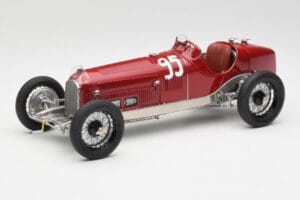
Alfa Romeo P3 #95 R. Caracciola Klausen Pass Hillclimb Winner 1932 CMC 1:18
Only 5 left
Price:
600.00 €
Back in stock
Last one
Used

Last one
Used
Last one
Used

Alfa Romeo GTA 1300 Junior #40 F. Picchi / J-C. Chasseuil Division 1 Winners 12 Hours of Paul Ricard 1971 Minichamps 1:18
Only 1 left
Price:
189.00 €
Last one
Used

Alfa Romeo GTA 1300 Junior #33 T. Hezemans / G. van Lennep Division 1 Winners 4 Hours of Jarama 1972 Minichamps 1:18
Only 1 left
Price:
189.00 €
Collectors also bought
Browse all 1:18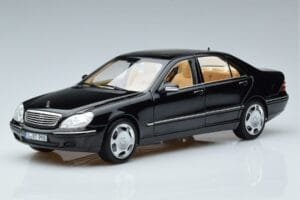
Mercedes S-Class W220 S600 Limited Edition Norev 1:18
Price:
100.00 €

Mercedes 500 SL R129 Limited Edition Norev 1:18
Price:
96.00 €

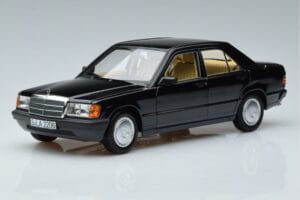
Mercedes 190 E W201 Limited Edition Norev 1:18
Price:
102.00 €

BMW X6M F86 Red Norev 1:18
Price:
94.00 €
Back in stock

Volvo 1800 ES Green Norev 1:18
Price:
71.00 €

Recently viewed
{"id":1711708,"name":"Alfa Romeo Junior Zagato Medium Blue Norev 1:18","price":"98.00 €<\/span><\/bdi><\/span>","image":"https:\/\/models118.com\/wp-content\/uploads\/2026\/11\/alfa-romeo-junior-zagato-medium-blue-norev-1-18-187831-1-1-400x400.jpg","permalink":"https:\/\/models118.com\/alfa-romeo-junior-zagato-medium-blue-norev-1-18-187831\/","brand":"Alfa Romeo"}