Last one
Used
This model is currently sold out. Enter your email and we'll let you know when it's back in stock.
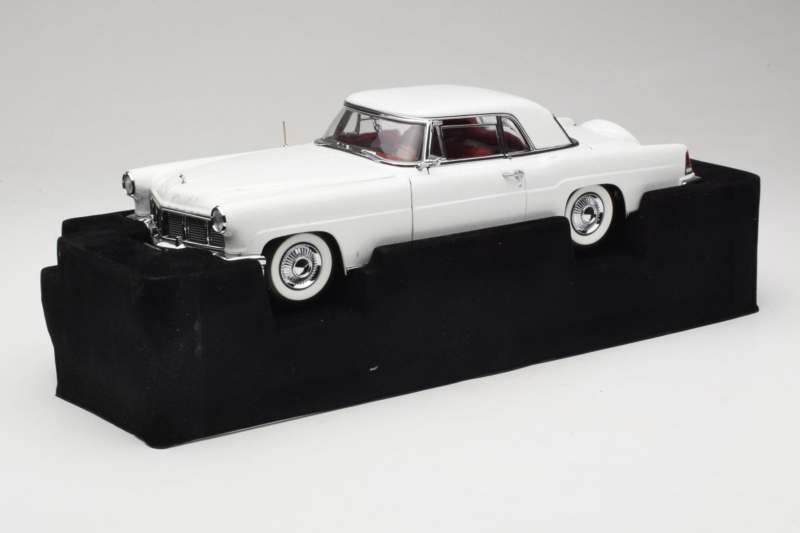
TL;DR: Road Signature's 1:18 diecast Lincoln Continental Mark II reproduces the 1956 hand-assembled coupe in white. Priced well above every American rival at launch, it pioneered the personal luxury coupe segment and remains a genuine high point of 1950s Detroit craftsmanship.
Most 1950s American luxury meant more chrome and bigger fins. The Continental Mark II made its case through restraint instead.
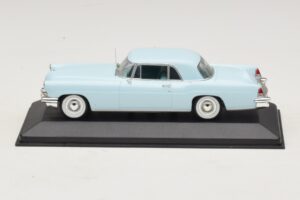
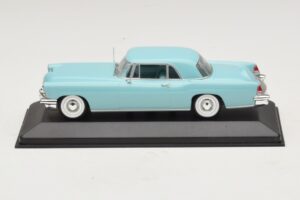
Unlike the flamboyant tailfin styling dominating much of Detroit in the mid-1950s, the Continental Mark II pursued a clean, understated design language and backed it with genuinely hand-assembled construction, a build process that pushed its price well above contemporary Cadillacs and Imperials. That combination of restraint and exclusivity established the personal luxury coupe as a distinct American market segment, one that later cars like the Thunderbird and Riviera would follow in spirit if not in price. White suits the Mark II's clean lines particularly well, letting the coupe's understated proportions speak without competing chrome accents.
Road Signature's diecast rendering keeps the coupe's long hood and minimal ornamentation faithful to the original's deliberately quiet design brief. For a Vintage Classics collection built around 1950s American luxury, the Continental Mark II offers genuine contrast against the more ornate Cadillacs and Buicks of the same period, a reminder that Detroit's most expensive car of the era was also, in some ways, its most disciplined.