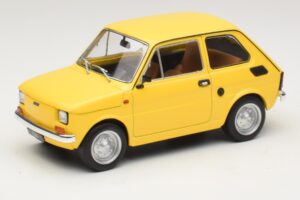
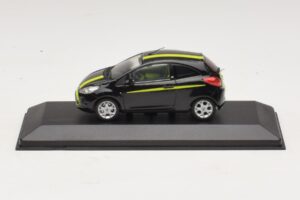
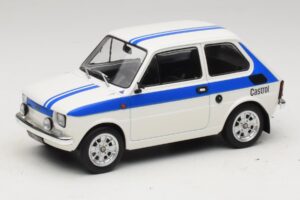
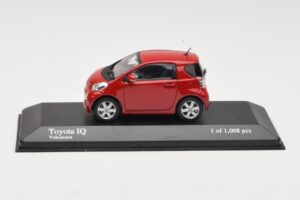
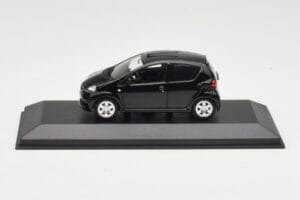
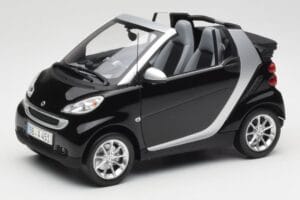
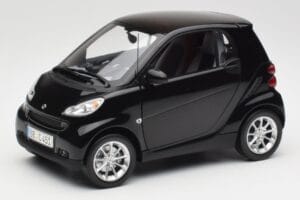
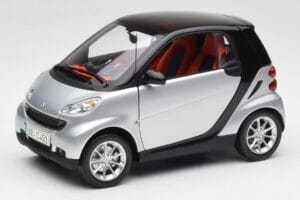
TL;DR: Micro car scale models cover postwar bubble cars from Messerschmitt, Goggomobil, and Lloyd alongside the modern Smart in 1:18 and 1:43 diecast from manufacturers including Minichamps, Revell, and MCG. Coverage spans the 1950s through the 2000s.
Postwar economic hardship produced one of automotive history's most charmingly practical responses: microcars so small and simple that fuel scarcity and tight budgets became design features rather than limitations.
Micro Car Scale Models Across a Distinctive Era
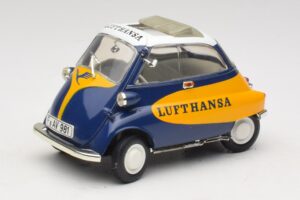
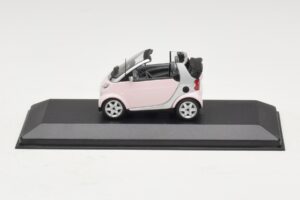
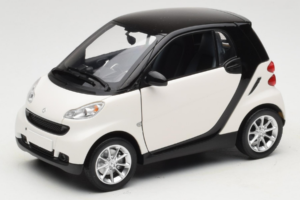
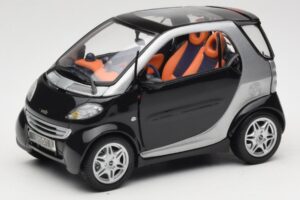
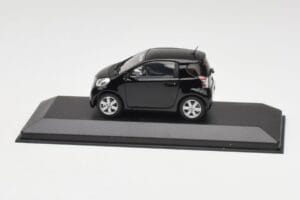
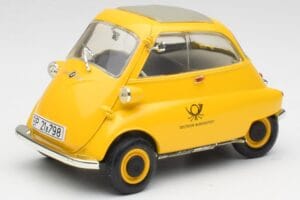
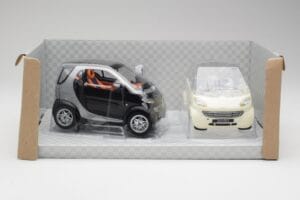
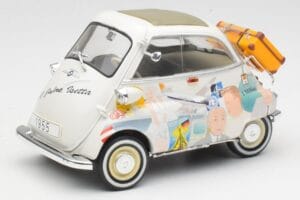
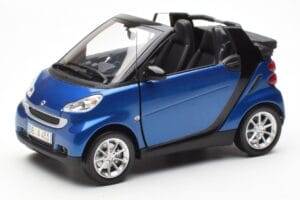
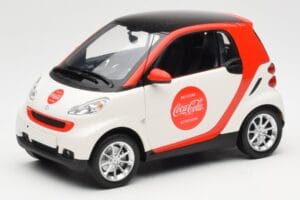
Minichamps, Revell, MCG, Bburago, and Kyosho document this genuinely unusual corner of automotive history, covering Messerschmitt's aircraft-inspired bubble canopy designs, Goggomobil's minimalist economy engineering, and Lloyd's own take on affordable postwar mobility. The modern Smart represents a philosophical successor decades later, applying similar space-efficient thinking to contemporary urban driving.
- Postwar originals: Messerschmitt, Goggomobil, Lloyd, ZAZ.
- Modern successor: Smart's urban-focused microcar philosophy.
- Era range: 1950s postwar scarcity through 2000s urban mobility.
When Scarcity Drove Automotive Innovation
Postwar fuel shortages and limited household budgets across Europe forced manufacturers to innovate around genuine constraints, producing vehicles with aircraft-derived construction techniques, single-cylinder engines, and passenger capacities as small as two seats arranged in tandem. That era of necessity-driven design gives microcars a historical significance well beyond their diminutive physical footprint.
Collecting Microcars as a Distinct Display Theme
Microcars display remarkably well as a dedicated theme precisely because of their small size, letting a collector fit far more subjects into limited shelf space than any other vehicle category would allow. Pairing a postwar Messerschmitt or Goggomobil with a modern Smart highlights how the same space-efficient philosophy resurfaced decades later for entirely different reasons.
Frequently Asked Questions About Micro Car Scale Models
Why did microcars become popular after World War II?
Postwar fuel shortages and limited household budgets across Europe drove demand for extremely small, economical vehicles. Manufacturers like Messerschmitt and Goggomobil responded with aircraft-derived construction and minimal mechanicals to meet that genuine economic need.
What makes Messerschmitt's microcars distinctive?
Messerschmitt applied aircraft-inspired construction techniques, including a distinctive bubble canopy design, to its postwar microcars, reflecting the company's aviation background repurposed for affordable civilian transportation.
Is the modern Smart considered part of microcar history?
Yes, Smart represents a philosophical successor to postwar microcars, applying similar space-efficient thinking to modern urban driving challenges decades after the original bubble car era ended.
What scale works best for a microcar collection?
1:18 shows off the distinctive small proportions and canopy designs of postwar microcars clearly, while 1:43 lets a collector fit an especially dense display given how physically small these real vehicles were.