
Alfa Romeo Giulietta SV #24 Targa Florio 1958 Kyosho 1:18
Sold out
1
/
9
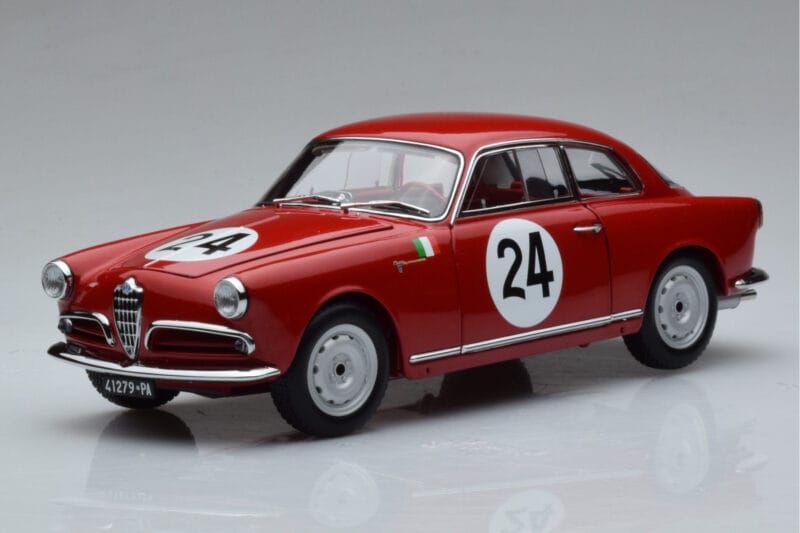
Kyosho's 1:18 diecast Alfa Romeo Giulietta SV wears race number 24 from the 1958 Targa Florio, Sicily's brutal open-road race through mountain passes and village streets. The Sprint Veloce was Alfa's lightened, higher-output answer to serious club and works-level competition, and this diecast reproduces its stripped cabin, roll bar, and correctly applied racing number. A historic GT anchor piece for an Alfa Romeo or vintage Italian racing shelf.
1 / 9
[{"index":0,"id":"121933","thumb":"https:\/\/models118.com\/wp-content\/uploads\/2026\/03\/alfa-romeo-giulietta-sv-n24-targa-florio-1958-kyosho-1-18-300x200.jpg","medium":"https:\/\/models118.com\/wp-content\/uploads\/2026\/03\/alfa-romeo-giulietta-sv-n24-targa-florio-1958-kyosho-1-18-800x533.jpg","full":"https:\/\/models118.com\/wp-content\/uploads\/2026\/03\/alfa-romeo-giulietta-sv-n24-targa-florio-1958-kyosho-1-18.jpg","srcset":"https:\/\/models118.com\/wp-content\/uploads\/2026\/03\/alfa-romeo-giulietta-sv-n24-targa-florio-1958-kyosho-1-18-800x533.jpg 800w, https:\/\/models118.com\/wp-content\/uploads\/2026\/03\/alfa-romeo-giulietta-sv-n24-targa-florio-1958-kyosho-1-18-64x43.jpg 64w, https:\/\/models118.com\/wp-content\/uploads\/2026\/03\/alfa-romeo-giulietta-sv-n24-targa-florio-1958-kyosho-1-18-300x200.jpg 300w, https:\/\/models118.com\/wp-content\/uploads\/2026\/03\/alfa-romeo-giulietta-sv-n24-targa-florio-1958-kyosho-1-18-480x320.jpg 480w, https:\/\/models118.com\/wp-content\/uploads\/2026\/03\/alfa-romeo-giulietta-sv-n24-targa-florio-1958-kyosho-1-18.jpg 1800w","sizes":"(max-width: 1023px) 400px, 640px","srcsetAvif":"https:\/\/models118.com\/wp-content\/uploads\/2026\/03\/alfa-romeo-giulietta-sv-n24-targa-florio-1958-kyosho-1-18-800x533.jpg.avif 800w, https:\/\/models118.com\/wp-content\/uploads\/2026\/03\/alfa-romeo-giulietta-sv-n24-targa-florio-1958-kyosho-1-18-64x43.jpg.avif 64w, https:\/\/models118.com\/wp-content\/uploads\/2026\/03\/alfa-romeo-giulietta-sv-n24-targa-florio-1958-kyosho-1-18-300x200.jpg.avif 300w, https:\/\/models118.com\/wp-content\/uploads\/2026\/03\/alfa-romeo-giulietta-sv-n24-targa-florio-1958-kyosho-1-18-480x320.jpg.avif 480w, https:\/\/models118.com\/wp-content\/uploads\/2026\/03\/alfa-romeo-giulietta-sv-n24-targa-florio-1958-kyosho-1-18.jpg.avif 1800w","srcsetWebp":"https:\/\/models118.com\/wp-content\/uploads\/2026\/03\/alfa-romeo-giulietta-sv-n24-targa-florio-1958-kyosho-1-18-800x533.jpg.webp 800w, https:\/\/models118.com\/wp-content\/uploads\/2026\/03\/alfa-romeo-giulietta-sv-n24-targa-florio-1958-kyosho-1-18-64x43.jpg.webp 64w, https:\/\/models118.com\/wp-content\/uploads\/2026\/03\/alfa-romeo-giulietta-sv-n24-targa-florio-1958-kyosho-1-18-300x200.jpg.webp 300w, https:\/\/models118.com\/wp-content\/uploads\/2026\/03\/alfa-romeo-giulietta-sv-n24-targa-florio-1958-kyosho-1-18-480x320.jpg.webp 480w, https:\/\/models118.com\/wp-content\/uploads\/2026\/03\/alfa-romeo-giulietta-sv-n24-targa-florio-1958-kyosho-1-18.jpg.webp 1800w","alt":"Alfa Romeo Giulietta SV #24 Targa Florio 1958 Kyosho 1:18 08957B Diecast"},{"index":1,"id":121960,"thumb":"https:\/\/models118.com\/wp-content\/uploads\/2026\/03\/alfa-romeo-giulietta-sv-n24-targa-florio-1958-kyosho-1-18-1-300x200.jpg","medium":"https:\/\/models118.com\/wp-content\/uploads\/2026\/03\/alfa-romeo-giulietta-sv-n24-targa-florio-1958-kyosho-1-18-1-800x533.jpg","full":"https:\/\/models118.com\/wp-content\/uploads\/2026\/03\/alfa-romeo-giulietta-sv-n24-targa-florio-1958-kyosho-1-18-1.jpg","srcset":"https:\/\/models118.com\/wp-content\/uploads\/2026\/03\/alfa-romeo-giulietta-sv-n24-targa-florio-1958-kyosho-1-18-1-800x533.jpg 800w, https:\/\/models118.com\/wp-content\/uploads\/2026\/03\/alfa-romeo-giulietta-sv-n24-targa-florio-1958-kyosho-1-18-1-64x43.jpg 64w, https:\/\/models118.com\/wp-content\/uploads\/2026\/03\/alfa-romeo-giulietta-sv-n24-targa-florio-1958-kyosho-1-18-1-300x200.jpg 300w, https:\/\/models118.com\/wp-content\/uploads\/2026\/03\/alfa-romeo-giulietta-sv-n24-targa-florio-1958-kyosho-1-18-1.jpg 1800w","sizes":"(max-width: 1023px) 400px, 640px","srcsetAvif":"https:\/\/models118.com\/wp-content\/uploads\/2026\/03\/alfa-romeo-giulietta-sv-n24-targa-florio-1958-kyosho-1-18-1-800x533.jpg.avif 800w, https:\/\/models118.com\/wp-content\/uploads\/2026\/03\/alfa-romeo-giulietta-sv-n24-targa-florio-1958-kyosho-1-18-1-64x43.jpg.avif 64w, https:\/\/models118.com\/wp-content\/uploads\/2026\/03\/alfa-romeo-giulietta-sv-n24-targa-florio-1958-kyosho-1-18-1-300x200.jpg.avif 300w, https:\/\/models118.com\/wp-content\/uploads\/2026\/03\/alfa-romeo-giulietta-sv-n24-targa-florio-1958-kyosho-1-18-1.jpg.avif 1800w","srcsetWebp":"https:\/\/models118.com\/wp-content\/uploads\/2026\/03\/alfa-romeo-giulietta-sv-n24-targa-florio-1958-kyosho-1-18-1-800x533.jpg.webp 800w, https:\/\/models118.com\/wp-content\/uploads\/2026\/03\/alfa-romeo-giulietta-sv-n24-targa-florio-1958-kyosho-1-18-1-64x43.jpg.webp 64w, https:\/\/models118.com\/wp-content\/uploads\/2026\/03\/alfa-romeo-giulietta-sv-n24-targa-florio-1958-kyosho-1-18-1-300x200.jpg.webp 300w, https:\/\/models118.com\/wp-content\/uploads\/2026\/03\/alfa-romeo-giulietta-sv-n24-targa-florio-1958-kyosho-1-18-1.jpg.webp 1800w","alt":"Alfa Romeo Giulietta SV #24 Targa Florio 1958 Kyosho 1:18 08957B Diecast - image 2 of 9"},{"index":2,"id":121987,"thumb":"https:\/\/models118.com\/wp-content\/uploads\/2026\/03\/alfa-romeo-giulietta-sv-n24-targa-florio-1958-kyosho-1-18-2-300x200.jpg","medium":"https:\/\/models118.com\/wp-content\/uploads\/2026\/03\/alfa-romeo-giulietta-sv-n24-targa-florio-1958-kyosho-1-18-2-800x533.jpg","full":"https:\/\/models118.com\/wp-content\/uploads\/2026\/03\/alfa-romeo-giulietta-sv-n24-targa-florio-1958-kyosho-1-18-2.jpg","srcset":"https:\/\/models118.com\/wp-content\/uploads\/2026\/03\/alfa-romeo-giulietta-sv-n24-targa-florio-1958-kyosho-1-18-2-800x533.jpg 800w, https:\/\/models118.com\/wp-content\/uploads\/2026\/03\/alfa-romeo-giulietta-sv-n24-targa-florio-1958-kyosho-1-18-2-64x43.jpg 64w, https:\/\/models118.com\/wp-content\/uploads\/2026\/03\/alfa-romeo-giulietta-sv-n24-targa-florio-1958-kyosho-1-18-2-300x200.jpg 300w, https:\/\/models118.com\/wp-content\/uploads\/2026\/03\/alfa-romeo-giulietta-sv-n24-targa-florio-1958-kyosho-1-18-2.jpg 1800w","sizes":"(max-width: 1023px) 400px, 640px","srcsetAvif":"https:\/\/models118.com\/wp-content\/uploads\/2026\/03\/alfa-romeo-giulietta-sv-n24-targa-florio-1958-kyosho-1-18-2-800x533.jpg.avif 800w, https:\/\/models118.com\/wp-content\/uploads\/2026\/03\/alfa-romeo-giulietta-sv-n24-targa-florio-1958-kyosho-1-18-2-64x43.jpg.avif 64w, https:\/\/models118.com\/wp-content\/uploads\/2026\/03\/alfa-romeo-giulietta-sv-n24-targa-florio-1958-kyosho-1-18-2-300x200.jpg.avif 300w, https:\/\/models118.com\/wp-content\/uploads\/2026\/03\/alfa-romeo-giulietta-sv-n24-targa-florio-1958-kyosho-1-18-2.jpg.avif 1800w","srcsetWebp":"https:\/\/models118.com\/wp-content\/uploads\/2026\/03\/alfa-romeo-giulietta-sv-n24-targa-florio-1958-kyosho-1-18-2-800x533.jpg.webp 800w, https:\/\/models118.com\/wp-content\/uploads\/2026\/03\/alfa-romeo-giulietta-sv-n24-targa-florio-1958-kyosho-1-18-2-64x43.jpg.webp 64w, https:\/\/models118.com\/wp-content\/uploads\/2026\/03\/alfa-romeo-giulietta-sv-n24-targa-florio-1958-kyosho-1-18-2-300x200.jpg.webp 300w, https:\/\/models118.com\/wp-content\/uploads\/2026\/03\/alfa-romeo-giulietta-sv-n24-targa-florio-1958-kyosho-1-18-2.jpg.webp 1800w","alt":"Alfa Romeo Giulietta SV #24 Targa Florio 1958 Kyosho 1:18 08957B Diecast - image 3 of 9"},{"index":3,"id":122014,"thumb":"https:\/\/models118.com\/wp-content\/uploads\/2026\/03\/alfa-romeo-giulietta-sv-n24-targa-florio-1958-kyosho-1-18-3-300x200.jpg","medium":"https:\/\/models118.com\/wp-content\/uploads\/2026\/03\/alfa-romeo-giulietta-sv-n24-targa-florio-1958-kyosho-1-18-3-800x533.jpg","full":"https:\/\/models118.com\/wp-content\/uploads\/2026\/03\/alfa-romeo-giulietta-sv-n24-targa-florio-1958-kyosho-1-18-3.jpg","srcset":"https:\/\/models118.com\/wp-content\/uploads\/2026\/03\/alfa-romeo-giulietta-sv-n24-targa-florio-1958-kyosho-1-18-3-800x533.jpg 800w, https:\/\/models118.com\/wp-content\/uploads\/2026\/03\/alfa-romeo-giulietta-sv-n24-targa-florio-1958-kyosho-1-18-3-64x43.jpg 64w, https:\/\/models118.com\/wp-content\/uploads\/2026\/03\/alfa-romeo-giulietta-sv-n24-targa-florio-1958-kyosho-1-18-3-300x200.jpg 300w, https:\/\/models118.com\/wp-content\/uploads\/2026\/03\/alfa-romeo-giulietta-sv-n24-targa-florio-1958-kyosho-1-18-3.jpg 1800w","sizes":"(max-width: 1023px) 400px, 640px","srcsetAvif":"https:\/\/models118.com\/wp-content\/uploads\/2026\/03\/alfa-romeo-giulietta-sv-n24-targa-florio-1958-kyosho-1-18-3-800x533.jpg.avif 800w, https:\/\/models118.com\/wp-content\/uploads\/2026\/03\/alfa-romeo-giulietta-sv-n24-targa-florio-1958-kyosho-1-18-3-64x43.jpg.avif 64w, https:\/\/models118.com\/wp-content\/uploads\/2026\/03\/alfa-romeo-giulietta-sv-n24-targa-florio-1958-kyosho-1-18-3-300x200.jpg.avif 300w, https:\/\/models118.com\/wp-content\/uploads\/2026\/03\/alfa-romeo-giulietta-sv-n24-targa-florio-1958-kyosho-1-18-3.jpg.avif 1800w","srcsetWebp":"https:\/\/models118.com\/wp-content\/uploads\/2026\/03\/alfa-romeo-giulietta-sv-n24-targa-florio-1958-kyosho-1-18-3-800x533.jpg.webp 800w, https:\/\/models118.com\/wp-content\/uploads\/2026\/03\/alfa-romeo-giulietta-sv-n24-targa-florio-1958-kyosho-1-18-3-64x43.jpg.webp 64w, https:\/\/models118.com\/wp-content\/uploads\/2026\/03\/alfa-romeo-giulietta-sv-n24-targa-florio-1958-kyosho-1-18-3-300x200.jpg.webp 300w, https:\/\/models118.com\/wp-content\/uploads\/2026\/03\/alfa-romeo-giulietta-sv-n24-targa-florio-1958-kyosho-1-18-3.jpg.webp 1800w","alt":"Alfa Romeo Giulietta SV #24 Targa Florio 1958 Kyosho 1:18 08957B Diecast - image 4 of 9"},{"index":4,"id":122041,"thumb":"https:\/\/models118.com\/wp-content\/uploads\/2026\/03\/alfa-romeo-giulietta-sv-n24-targa-florio-1958-kyosho-1-18-4-300x200.jpg","medium":"https:\/\/models118.com\/wp-content\/uploads\/2026\/03\/alfa-romeo-giulietta-sv-n24-targa-florio-1958-kyosho-1-18-4-800x533.jpg","full":"https:\/\/models118.com\/wp-content\/uploads\/2026\/03\/alfa-romeo-giulietta-sv-n24-targa-florio-1958-kyosho-1-18-4.jpg","srcset":"https:\/\/models118.com\/wp-content\/uploads\/2026\/03\/alfa-romeo-giulietta-sv-n24-targa-florio-1958-kyosho-1-18-4-800x533.jpg 800w, https:\/\/models118.com\/wp-content\/uploads\/2026\/03\/alfa-romeo-giulietta-sv-n24-targa-florio-1958-kyosho-1-18-4-64x43.jpg 64w, https:\/\/models118.com\/wp-content\/uploads\/2026\/03\/alfa-romeo-giulietta-sv-n24-targa-florio-1958-kyosho-1-18-4-300x200.jpg 300w, https:\/\/models118.com\/wp-content\/uploads\/2026\/03\/alfa-romeo-giulietta-sv-n24-targa-florio-1958-kyosho-1-18-4.jpg 1800w","sizes":"(max-width: 1023px) 400px, 640px","srcsetAvif":"https:\/\/models118.com\/wp-content\/uploads\/2026\/03\/alfa-romeo-giulietta-sv-n24-targa-florio-1958-kyosho-1-18-4-800x533.jpg.avif 800w, https:\/\/models118.com\/wp-content\/uploads\/2026\/03\/alfa-romeo-giulietta-sv-n24-targa-florio-1958-kyosho-1-18-4-64x43.jpg.avif 64w, https:\/\/models118.com\/wp-content\/uploads\/2026\/03\/alfa-romeo-giulietta-sv-n24-targa-florio-1958-kyosho-1-18-4-300x200.jpg.avif 300w, https:\/\/models118.com\/wp-content\/uploads\/2026\/03\/alfa-romeo-giulietta-sv-n24-targa-florio-1958-kyosho-1-18-4.jpg.avif 1800w","srcsetWebp":"https:\/\/models118.com\/wp-content\/uploads\/2026\/03\/alfa-romeo-giulietta-sv-n24-targa-florio-1958-kyosho-1-18-4-800x533.jpg.webp 800w, https:\/\/models118.com\/wp-content\/uploads\/2026\/03\/alfa-romeo-giulietta-sv-n24-targa-florio-1958-kyosho-1-18-4-64x43.jpg.webp 64w, https:\/\/models118.com\/wp-content\/uploads\/2026\/03\/alfa-romeo-giulietta-sv-n24-targa-florio-1958-kyosho-1-18-4-300x200.jpg.webp 300w, https:\/\/models118.com\/wp-content\/uploads\/2026\/03\/alfa-romeo-giulietta-sv-n24-targa-florio-1958-kyosho-1-18-4.jpg.webp 1800w","alt":"Alfa Romeo Giulietta SV #24 Targa Florio 1958 Kyosho 1:18 08957B Diecast - image 5 of 9"},{"index":5,"id":122068,"thumb":"https:\/\/models118.com\/wp-content\/uploads\/2026\/03\/alfa-romeo-giulietta-sv-n24-targa-florio-1958-kyosho-1-18-5-300x200.jpg","medium":"https:\/\/models118.com\/wp-content\/uploads\/2026\/03\/alfa-romeo-giulietta-sv-n24-targa-florio-1958-kyosho-1-18-5-800x533.jpg","full":"https:\/\/models118.com\/wp-content\/uploads\/2026\/03\/alfa-romeo-giulietta-sv-n24-targa-florio-1958-kyosho-1-18-5.jpg","srcset":"https:\/\/models118.com\/wp-content\/uploads\/2026\/03\/alfa-romeo-giulietta-sv-n24-targa-florio-1958-kyosho-1-18-5-800x533.jpg 800w, https:\/\/models118.com\/wp-content\/uploads\/2026\/03\/alfa-romeo-giulietta-sv-n24-targa-florio-1958-kyosho-1-18-5-64x43.jpg 64w, https:\/\/models118.com\/wp-content\/uploads\/2026\/03\/alfa-romeo-giulietta-sv-n24-targa-florio-1958-kyosho-1-18-5-300x200.jpg 300w, https:\/\/models118.com\/wp-content\/uploads\/2026\/03\/alfa-romeo-giulietta-sv-n24-targa-florio-1958-kyosho-1-18-5.jpg 1800w","sizes":"(max-width: 1023px) 400px, 640px","srcsetAvif":"https:\/\/models118.com\/wp-content\/uploads\/2026\/03\/alfa-romeo-giulietta-sv-n24-targa-florio-1958-kyosho-1-18-5-800x533.jpg.avif 800w, https:\/\/models118.com\/wp-content\/uploads\/2026\/03\/alfa-romeo-giulietta-sv-n24-targa-florio-1958-kyosho-1-18-5-64x43.jpg.avif 64w, https:\/\/models118.com\/wp-content\/uploads\/2026\/03\/alfa-romeo-giulietta-sv-n24-targa-florio-1958-kyosho-1-18-5-300x200.jpg.avif 300w, https:\/\/models118.com\/wp-content\/uploads\/2026\/03\/alfa-romeo-giulietta-sv-n24-targa-florio-1958-kyosho-1-18-5.jpg.avif 1800w","srcsetWebp":"https:\/\/models118.com\/wp-content\/uploads\/2026\/03\/alfa-romeo-giulietta-sv-n24-targa-florio-1958-kyosho-1-18-5-800x533.jpg.webp 800w, https:\/\/models118.com\/wp-content\/uploads\/2026\/03\/alfa-romeo-giulietta-sv-n24-targa-florio-1958-kyosho-1-18-5-64x43.jpg.webp 64w, https:\/\/models118.com\/wp-content\/uploads\/2026\/03\/alfa-romeo-giulietta-sv-n24-targa-florio-1958-kyosho-1-18-5-300x200.jpg.webp 300w, https:\/\/models118.com\/wp-content\/uploads\/2026\/03\/alfa-romeo-giulietta-sv-n24-targa-florio-1958-kyosho-1-18-5.jpg.webp 1800w","alt":"Alfa Romeo Giulietta SV #24 Targa Florio 1958 Kyosho 1:18 08957B Diecast - image 6 of 9"},{"index":6,"id":122095,"thumb":"https:\/\/models118.com\/wp-content\/uploads\/2026\/03\/alfa-romeo-giulietta-sv-n24-targa-florio-1958-kyosho-1-18-6-300x200.jpg","medium":"https:\/\/models118.com\/wp-content\/uploads\/2026\/03\/alfa-romeo-giulietta-sv-n24-targa-florio-1958-kyosho-1-18-6-800x533.jpg","full":"https:\/\/models118.com\/wp-content\/uploads\/2026\/03\/alfa-romeo-giulietta-sv-n24-targa-florio-1958-kyosho-1-18-6.jpg","srcset":"https:\/\/models118.com\/wp-content\/uploads\/2026\/03\/alfa-romeo-giulietta-sv-n24-targa-florio-1958-kyosho-1-18-6-800x533.jpg 800w, https:\/\/models118.com\/wp-content\/uploads\/2026\/03\/alfa-romeo-giulietta-sv-n24-targa-florio-1958-kyosho-1-18-6-64x43.jpg 64w, https:\/\/models118.com\/wp-content\/uploads\/2026\/03\/alfa-romeo-giulietta-sv-n24-targa-florio-1958-kyosho-1-18-6-300x200.jpg 300w, https:\/\/models118.com\/wp-content\/uploads\/2026\/03\/alfa-romeo-giulietta-sv-n24-targa-florio-1958-kyosho-1-18-6.jpg 1800w","sizes":"(max-width: 1023px) 400px, 640px","srcsetAvif":"https:\/\/models118.com\/wp-content\/uploads\/2026\/03\/alfa-romeo-giulietta-sv-n24-targa-florio-1958-kyosho-1-18-6-800x533.jpg.avif 800w, https:\/\/models118.com\/wp-content\/uploads\/2026\/03\/alfa-romeo-giulietta-sv-n24-targa-florio-1958-kyosho-1-18-6-64x43.jpg.avif 64w, https:\/\/models118.com\/wp-content\/uploads\/2026\/03\/alfa-romeo-giulietta-sv-n24-targa-florio-1958-kyosho-1-18-6-300x200.jpg.avif 300w, https:\/\/models118.com\/wp-content\/uploads\/2026\/03\/alfa-romeo-giulietta-sv-n24-targa-florio-1958-kyosho-1-18-6.jpg.avif 1800w","srcsetWebp":"https:\/\/models118.com\/wp-content\/uploads\/2026\/03\/alfa-romeo-giulietta-sv-n24-targa-florio-1958-kyosho-1-18-6-800x533.jpg.webp 800w, https:\/\/models118.com\/wp-content\/uploads\/2026\/03\/alfa-romeo-giulietta-sv-n24-targa-florio-1958-kyosho-1-18-6-64x43.jpg.webp 64w, https:\/\/models118.com\/wp-content\/uploads\/2026\/03\/alfa-romeo-giulietta-sv-n24-targa-florio-1958-kyosho-1-18-6-300x200.jpg.webp 300w, https:\/\/models118.com\/wp-content\/uploads\/2026\/03\/alfa-romeo-giulietta-sv-n24-targa-florio-1958-kyosho-1-18-6.jpg.webp 1800w","alt":"Alfa Romeo Giulietta SV #24 Targa Florio 1958 Kyosho 1:18 08957B Diecast - image 7 of 9"},{"index":7,"id":122122,"thumb":"https:\/\/models118.com\/wp-content\/uploads\/2026\/03\/alfa-romeo-giulietta-sv-n24-targa-florio-1958-kyosho-1-18-7-300x200.jpg","medium":"https:\/\/models118.com\/wp-content\/uploads\/2026\/03\/alfa-romeo-giulietta-sv-n24-targa-florio-1958-kyosho-1-18-7-800x533.jpg","full":"https:\/\/models118.com\/wp-content\/uploads\/2026\/03\/alfa-romeo-giulietta-sv-n24-targa-florio-1958-kyosho-1-18-7.jpg","srcset":"https:\/\/models118.com\/wp-content\/uploads\/2026\/03\/alfa-romeo-giulietta-sv-n24-targa-florio-1958-kyosho-1-18-7-800x533.jpg 800w, https:\/\/models118.com\/wp-content\/uploads\/2026\/03\/alfa-romeo-giulietta-sv-n24-targa-florio-1958-kyosho-1-18-7-64x43.jpg 64w, https:\/\/models118.com\/wp-content\/uploads\/2026\/03\/alfa-romeo-giulietta-sv-n24-targa-florio-1958-kyosho-1-18-7-300x200.jpg 300w, https:\/\/models118.com\/wp-content\/uploads\/2026\/03\/alfa-romeo-giulietta-sv-n24-targa-florio-1958-kyosho-1-18-7.jpg 1800w","sizes":"(max-width: 1023px) 400px, 640px","srcsetAvif":"https:\/\/models118.com\/wp-content\/uploads\/2026\/03\/alfa-romeo-giulietta-sv-n24-targa-florio-1958-kyosho-1-18-7-800x533.jpg.avif 800w, https:\/\/models118.com\/wp-content\/uploads\/2026\/03\/alfa-romeo-giulietta-sv-n24-targa-florio-1958-kyosho-1-18-7-64x43.jpg.avif 64w, https:\/\/models118.com\/wp-content\/uploads\/2026\/03\/alfa-romeo-giulietta-sv-n24-targa-florio-1958-kyosho-1-18-7-300x200.jpg.avif 300w, https:\/\/models118.com\/wp-content\/uploads\/2026\/03\/alfa-romeo-giulietta-sv-n24-targa-florio-1958-kyosho-1-18-7.jpg.avif 1800w","srcsetWebp":"https:\/\/models118.com\/wp-content\/uploads\/2026\/03\/alfa-romeo-giulietta-sv-n24-targa-florio-1958-kyosho-1-18-7-800x533.jpg.webp 800w, https:\/\/models118.com\/wp-content\/uploads\/2026\/03\/alfa-romeo-giulietta-sv-n24-targa-florio-1958-kyosho-1-18-7-64x43.jpg.webp 64w, https:\/\/models118.com\/wp-content\/uploads\/2026\/03\/alfa-romeo-giulietta-sv-n24-targa-florio-1958-kyosho-1-18-7-300x200.jpg.webp 300w, https:\/\/models118.com\/wp-content\/uploads\/2026\/03\/alfa-romeo-giulietta-sv-n24-targa-florio-1958-kyosho-1-18-7.jpg.webp 1800w","alt":"Alfa Romeo Giulietta SV #24 Targa Florio 1958 Kyosho 1:18 08957B Diecast - image 8 of 9"},{"index":8,"id":122149,"thumb":"https:\/\/models118.com\/wp-content\/uploads\/2026\/03\/alfa-romeo-giulietta-sv-n24-targa-florio-1958-kyosho-1-18-8-300x200.jpg","medium":"https:\/\/models118.com\/wp-content\/uploads\/2026\/03\/alfa-romeo-giulietta-sv-n24-targa-florio-1958-kyosho-1-18-8-800x533.jpg","full":"https:\/\/models118.com\/wp-content\/uploads\/2026\/03\/alfa-romeo-giulietta-sv-n24-targa-florio-1958-kyosho-1-18-8.jpg","srcset":"https:\/\/models118.com\/wp-content\/uploads\/2026\/03\/alfa-romeo-giulietta-sv-n24-targa-florio-1958-kyosho-1-18-8-800x533.jpg 800w, https:\/\/models118.com\/wp-content\/uploads\/2026\/03\/alfa-romeo-giulietta-sv-n24-targa-florio-1958-kyosho-1-18-8-64x43.jpg 64w, https:\/\/models118.com\/wp-content\/uploads\/2026\/03\/alfa-romeo-giulietta-sv-n24-targa-florio-1958-kyosho-1-18-8-300x200.jpg 300w, https:\/\/models118.com\/wp-content\/uploads\/2026\/03\/alfa-romeo-giulietta-sv-n24-targa-florio-1958-kyosho-1-18-8.jpg 1800w","sizes":"(max-width: 1023px) 400px, 640px","srcsetAvif":"https:\/\/models118.com\/wp-content\/uploads\/2026\/03\/alfa-romeo-giulietta-sv-n24-targa-florio-1958-kyosho-1-18-8-800x533.jpg.avif 800w, https:\/\/models118.com\/wp-content\/uploads\/2026\/03\/alfa-romeo-giulietta-sv-n24-targa-florio-1958-kyosho-1-18-8-64x43.jpg.avif 64w, https:\/\/models118.com\/wp-content\/uploads\/2026\/03\/alfa-romeo-giulietta-sv-n24-targa-florio-1958-kyosho-1-18-8-300x200.jpg.avif 300w, https:\/\/models118.com\/wp-content\/uploads\/2026\/03\/alfa-romeo-giulietta-sv-n24-targa-florio-1958-kyosho-1-18-8.jpg.avif 1800w","srcsetWebp":"https:\/\/models118.com\/wp-content\/uploads\/2026\/03\/alfa-romeo-giulietta-sv-n24-targa-florio-1958-kyosho-1-18-8-800x533.jpg.webp 800w, https:\/\/models118.com\/wp-content\/uploads\/2026\/03\/alfa-romeo-giulietta-sv-n24-targa-florio-1958-kyosho-1-18-8-64x43.jpg.webp 64w, https:\/\/models118.com\/wp-content\/uploads\/2026\/03\/alfa-romeo-giulietta-sv-n24-targa-florio-1958-kyosho-1-18-8-300x200.jpg.webp 300w, https:\/\/models118.com\/wp-content\/uploads\/2026\/03\/alfa-romeo-giulietta-sv-n24-targa-florio-1958-kyosho-1-18-8.jpg.webp 1800w","alt":"Alfa Romeo Giulietta SV #24 Targa Florio 1958 Kyosho 1:18 08957B Diecast - image 9 of 9"}]
Alfa Romeo Giulietta SV #24 Targa Florio 1958 Kyosho 1:18
Current price:
139.00 €
Sold out
This model is currently sold out. Enter your email and we'll let you know when it's back in stock.
Shipping to 79 countries
Worldwide delivery
Prices incl. 23% VAT
No hidden costs
Shipping rates by country
Tracked & insured
Pay in EUR €
Local currency
Specifications
- Brand
- Alfa Romeo
- Manufacturer
- Kyosho
- Scale
- 1:18
- Material
- Diecast
- Model Condition
- New Model
- SKU
- 08957B
- Year
- 1958
- Era
- 1950s
- Body Type
- GT Models
- Vehicle Class
- Historic GT & GTE
- Openable Parts
- Yes
- Packaging Condition
- New
- Model Type
- Race Models
- EAN / GTIN
- 4548565442867
100% authentic
Direct from manufacturers
5-layer carton
Foam-filled interior
Easy returns
14 days, no questions asked
Secure payment
256-bit SSL encryption
About the Alfa Romeo Giulietta SV #24 Targa Florio 1958 Kyosho 1:18
TL;DR: Kyosho's 1:18 diecast Alfa Romeo Giulietta SV reproduces car number 24 from the 1958 Targa Florio, Sicily's demanding open-road race. Built as Alfa's lightened Sprint Veloce competition variant, this diecast carries a stripped cabin, roll bar, and correctly applied race livery, anchoring a historic GT and vintage Italian racing display.
Targa Florio rewarded cars that could survive hours of mountain roads without breaking, and Alfa Romeo built the Giulietta SV specifically to answer that demand. This Kyosho replica carries the number this particular car wore into that race.
Kyosho's Competition Giulietta SV
The Sprint Veloce as a Racing Tool
The Giulietta Sprint Veloce was Alfa Romeo's lightened, higher-output version of its Sprint coupe, built with weight-saving measures and a tuned engine aimed squarely at club and works-level competition rather than daily driving. Cars like this one were regular entrants in Italian road races through the late 1950s, where a lighter body and a strong power-to-weight ratio mattered more than outright top speed. Kyosho's replica takes that stripped-down competition specification as its subject rather than the more common road-going Sprint.
Race Livery and Number Application
The body carries race number 24 applied with clean, sharp edges rather than a soft-focus print, a detail that separates a considered competition livery from a generic number sticker. That clean application matters because a smudged or misregistered digit is one of the fastest ways a vintage race livery reads as an afterthought. Kyosho keeps the paint in a period-correct racing finish, and the panel fit stays tight around the doors and trunk despite the added roll bar structure visible through the side glass.
Targa Florio Context and Cockpit Detail
Sicily's Road Race
Targa Florio ran on closed public roads through the Madonie mountains of Sicily, a course that punished cars with sustained curves, elevation changes, and rough surfaces rather than the smooth asphalt of a purpose-built circuit. Alfa Romeo's smaller GT cars were a natural fit for this kind of event, where handling and reliability across a long, demanding lap mattered more than raw horsepower. That context is part of what makes a Giulietta SV race car a meaningful subject rather than a generic vintage coupe with a number painted on the door.
Roll Bar and Interior Simplification
Inside, the cabin reflects the stripped approach period competition cars actually took: a simplified dashboard, a visible roll bar structure, and none of the trim a road-going Sprint would carry. Kyosho renders that stripped cockpit rather than dressing it up with unnecessary comfort details, which keeps the model honest to its subject.
Diecast Construction and Judging a Vintage Race Livery
At this price segment, expect an accurately proportioned body with a correctly applied number and racing livery rather than hand-painted, one-off decal work a bespoke resin build might offer at a considerably higher tier. The zinc alloy body gives the model real weight, and the 1:18 scale is large enough that the roll bar, number placement, and simplified cabin all read clearly rather than blurring into a generic vintage coupe shape. Against a 1:43 casting of the same subject, the larger scale is what actually lets the roll bar and cockpit simplification register at all. Judging fidelity on a period race livery comes down to checking number placement, panel line sharpness around the roll bar mounting, and whether the racing colors match documented photographs.
A Historic GT Anchor for an Alfa Collection
At roughly 20 centimeters long, this Giulietta SV fits a standard display row and works well as a foundation piece for a collection built around 1950s Italian road racing, alongside period Ferraris, Maseratis, or other Alfa competition cars from the same era. Its stripped racing specification and event-specific livery give it a different character from a road-going Alfa on the same shelf, offering collectors a genuine competition subject rather than a repainted street car.
From the same collection
Alfa Romeo P3 #95 R. Caracciola Klausen Pass Hillclimb Winner 1932 CMC 1:18
Only 5 left
Price:
599.00 €
Last one
Used

Last one
Used
Last one
Used
Back in stock

Alfa Romeo GTA 1300 Junior #40 F. Picchi / J-C. Chasseuil Division 1 Winners 12 Hours of Paul Ricard 1971 Minichamps 1:18
Only 1 left
Price:
189.00 €
Last one
Used
Back in stock
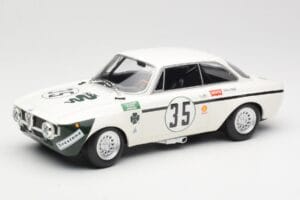
Alfa Romeo GTA 1300 Junior #35 C. Colzani / Pooky / G. Venturi 4 Hours of Jarama 1972 Minichamps 1:18
Only 1 left
Price:
123.00 €
Last one
Used
Back in stock

Alfa Romeo GTA 1300 Junior #33 T. Hezemans / G. van Lennep Division 1 Winners 4 Hours of Jarama 1972 Minichamps 1:18
Only 1 left
Price:
189.00 €
Collectors also bought
Browse all 1:18
Last one
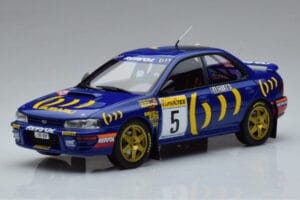
Subaru Impreza #5 C. Sainz / L. Moya 2nd Place Rally Monte Carlo 1995 Kyosho 1:18
Only 1 left
Price:
252.00 €
Last one
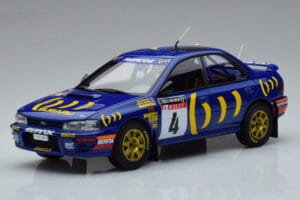
Subaru Impreza #4 C. McRae / D. Ringer Winner RAC Rally 1994 Kyosho 1:18
Only 1 left
Price:
252.00 €
Last one

Toyota Celica GT-Four ST165 #3 B. Waldegard / F. Gallagher Winner Safari Rally 1990 Kyosho 1:18
Only 1 left
Price:
252.00 €
Last one
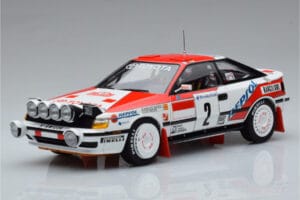
Toyota Celica GT-Four ST165 #2 C. Sainz / L. Moya Winner Rally Monte Carlo 1991 Kyosho 1:18
Only 1 left
Price:
252.00 €

Last one
Last one
Last one
Recently viewed
{"id":122176,"name":"Alfa Romeo Giulietta SV #24 Targa Florio 1958 Kyosho 1:18","price":"139.00 €<\/span><\/bdi><\/span>","image":"https:\/\/models118.com\/wp-content\/uploads\/2026\/03\/alfa-romeo-giulietta-sv-n24-targa-florio-1958-kyosho-1-18-400x400.jpg","permalink":"https:\/\/models118.com\/alfa-romeo-giulietta-sv-24-targa-florio-1958-kyosho-1-18-08957b\/","brand":"Alfa Romeo"}