
Alfa Romeo Orlen C42 V. Bottas Testing Barcelona 2022 Minichamps 1:18
1
/
7
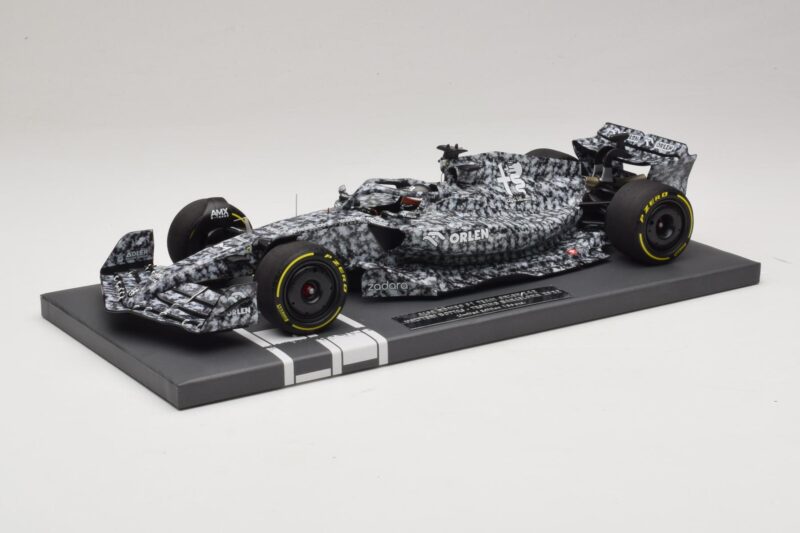
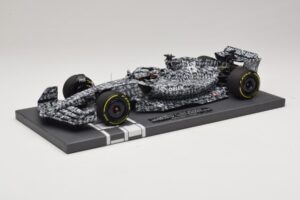
Minichamps' 1:18 resin Alfa Romeo Orlen C42 reproduces the livery Valtteri Bottas ran during 2022 pre-season testing at Barcelona, the first outing for Formula 1's ground-effect regulation reset. Cast as a sealed one-piece resin body, the model holds the car's complex floor and sidepod surfaces crisp under a display light. A focused pickup for Alfa Romeo or Bottas collectors building out the early ground-effect era.
1 / 7
[{"index":0,"id":"1652811","thumb":"https:\/\/models118.com\/wp-content\/uploads\/2026\/07\/alfa-romeo-orlen-c42-v-bottas-testing-barcelona-2022-minichamps-1-18-117229977-1-300x200.jpg","medium":"https:\/\/models118.com\/wp-content\/uploads\/2026\/07\/alfa-romeo-orlen-c42-v-bottas-testing-barcelona-2022-minichamps-1-18-117229977-1-800x533.jpg","full":"https:\/\/models118.com\/wp-content\/uploads\/2026\/07\/alfa-romeo-orlen-c42-v-bottas-testing-barcelona-2022-minichamps-1-18-117229977-1.jpg","srcset":"https:\/\/models118.com\/wp-content\/uploads\/2026\/07\/alfa-romeo-orlen-c42-v-bottas-testing-barcelona-2022-minichamps-1-18-117229977-1-800x533.jpg 800w, https:\/\/models118.com\/wp-content\/uploads\/2026\/07\/alfa-romeo-orlen-c42-v-bottas-testing-barcelona-2022-minichamps-1-18-117229977-1-300x200.jpg 300w, https:\/\/models118.com\/wp-content\/uploads\/2026\/07\/alfa-romeo-orlen-c42-v-bottas-testing-barcelona-2022-minichamps-1-18-117229977-1-64x43.jpg 64w, https:\/\/models118.com\/wp-content\/uploads\/2026\/07\/alfa-romeo-orlen-c42-v-bottas-testing-barcelona-2022-minichamps-1-18-117229977-1-80x53.jpg 80w, https:\/\/models118.com\/wp-content\/uploads\/2026\/07\/alfa-romeo-orlen-c42-v-bottas-testing-barcelona-2022-minichamps-1-18-117229977-1-480x320.jpg 480w, https:\/\/models118.com\/wp-content\/uploads\/2026\/07\/alfa-romeo-orlen-c42-v-bottas-testing-barcelona-2022-minichamps-1-18-117229977-1.jpg 1800w","sizes":"(max-width: 1023px) 400px, 640px","srcsetAvif":"https:\/\/models118.com\/wp-content\/uploads\/2026\/07\/alfa-romeo-orlen-c42-v-bottas-testing-barcelona-2022-minichamps-1-18-117229977-1-800x533.jpg.avif 800w, https:\/\/models118.com\/wp-content\/uploads\/2026\/07\/alfa-romeo-orlen-c42-v-bottas-testing-barcelona-2022-minichamps-1-18-117229977-1-300x200.jpg.avif 300w, https:\/\/models118.com\/wp-content\/uploads\/2026\/07\/alfa-romeo-orlen-c42-v-bottas-testing-barcelona-2022-minichamps-1-18-117229977-1-64x43.jpg.avif 64w, https:\/\/models118.com\/wp-content\/uploads\/2026\/07\/alfa-romeo-orlen-c42-v-bottas-testing-barcelona-2022-minichamps-1-18-117229977-1-80x53.jpg.avif 80w, https:\/\/models118.com\/wp-content\/uploads\/2026\/07\/alfa-romeo-orlen-c42-v-bottas-testing-barcelona-2022-minichamps-1-18-117229977-1-480x320.jpg.avif 480w, https:\/\/models118.com\/wp-content\/uploads\/2026\/07\/alfa-romeo-orlen-c42-v-bottas-testing-barcelona-2022-minichamps-1-18-117229977-1.jpg.avif 1800w","srcsetWebp":"https:\/\/models118.com\/wp-content\/uploads\/2026\/07\/alfa-romeo-orlen-c42-v-bottas-testing-barcelona-2022-minichamps-1-18-117229977-1-800x533.jpg.webp 800w, https:\/\/models118.com\/wp-content\/uploads\/2026\/07\/alfa-romeo-orlen-c42-v-bottas-testing-barcelona-2022-minichamps-1-18-117229977-1-300x200.jpg.webp 300w, https:\/\/models118.com\/wp-content\/uploads\/2026\/07\/alfa-romeo-orlen-c42-v-bottas-testing-barcelona-2022-minichamps-1-18-117229977-1-64x43.jpg.webp 64w, https:\/\/models118.com\/wp-content\/uploads\/2026\/07\/alfa-romeo-orlen-c42-v-bottas-testing-barcelona-2022-minichamps-1-18-117229977-1-80x53.jpg.webp 80w, https:\/\/models118.com\/wp-content\/uploads\/2026\/07\/alfa-romeo-orlen-c42-v-bottas-testing-barcelona-2022-minichamps-1-18-117229977-1-480x320.jpg.webp 480w, https:\/\/models118.com\/wp-content\/uploads\/2026\/07\/alfa-romeo-orlen-c42-v-bottas-testing-barcelona-2022-minichamps-1-18-117229977-1.jpg.webp 1800w","alt":"Alfa Romeo Orlen C42 V. Bottas Testing Barcelona 2022 Minichamps 1:18 117229977 Resin"},{"index":1,"id":1652816,"thumb":"https:\/\/models118.com\/wp-content\/uploads\/2026\/07\/alfa-romeo-orlen-c42-v-bottas-testing-barcelona-2022-minichamps-1-18-117229977-2-300x200.jpg","medium":"https:\/\/models118.com\/wp-content\/uploads\/2026\/07\/alfa-romeo-orlen-c42-v-bottas-testing-barcelona-2022-minichamps-1-18-117229977-2-800x533.jpg","full":"https:\/\/models118.com\/wp-content\/uploads\/2026\/07\/alfa-romeo-orlen-c42-v-bottas-testing-barcelona-2022-minichamps-1-18-117229977-2.jpg","srcset":"https:\/\/models118.com\/wp-content\/uploads\/2026\/07\/alfa-romeo-orlen-c42-v-bottas-testing-barcelona-2022-minichamps-1-18-117229977-2-800x533.jpg 800w, https:\/\/models118.com\/wp-content\/uploads\/2026\/07\/alfa-romeo-orlen-c42-v-bottas-testing-barcelona-2022-minichamps-1-18-117229977-2-300x200.jpg 300w, https:\/\/models118.com\/wp-content\/uploads\/2026\/07\/alfa-romeo-orlen-c42-v-bottas-testing-barcelona-2022-minichamps-1-18-117229977-2-64x43.jpg 64w, https:\/\/models118.com\/wp-content\/uploads\/2026\/07\/alfa-romeo-orlen-c42-v-bottas-testing-barcelona-2022-minichamps-1-18-117229977-2-80x53.jpg 80w, https:\/\/models118.com\/wp-content\/uploads\/2026\/07\/alfa-romeo-orlen-c42-v-bottas-testing-barcelona-2022-minichamps-1-18-117229977-2.jpg 1800w","sizes":"(max-width: 1023px) 400px, 640px","srcsetAvif":"https:\/\/models118.com\/wp-content\/uploads\/2026\/07\/alfa-romeo-orlen-c42-v-bottas-testing-barcelona-2022-minichamps-1-18-117229977-2-800x533.jpg.avif 800w, https:\/\/models118.com\/wp-content\/uploads\/2026\/07\/alfa-romeo-orlen-c42-v-bottas-testing-barcelona-2022-minichamps-1-18-117229977-2-300x200.jpg.avif 300w, https:\/\/models118.com\/wp-content\/uploads\/2026\/07\/alfa-romeo-orlen-c42-v-bottas-testing-barcelona-2022-minichamps-1-18-117229977-2-64x43.jpg.avif 64w, https:\/\/models118.com\/wp-content\/uploads\/2026\/07\/alfa-romeo-orlen-c42-v-bottas-testing-barcelona-2022-minichamps-1-18-117229977-2-80x53.jpg.avif 80w, https:\/\/models118.com\/wp-content\/uploads\/2026\/07\/alfa-romeo-orlen-c42-v-bottas-testing-barcelona-2022-minichamps-1-18-117229977-2.jpg.avif 1800w","srcsetWebp":"https:\/\/models118.com\/wp-content\/uploads\/2026\/07\/alfa-romeo-orlen-c42-v-bottas-testing-barcelona-2022-minichamps-1-18-117229977-2-800x533.jpg.webp 800w, https:\/\/models118.com\/wp-content\/uploads\/2026\/07\/alfa-romeo-orlen-c42-v-bottas-testing-barcelona-2022-minichamps-1-18-117229977-2-300x200.jpg.webp 300w, https:\/\/models118.com\/wp-content\/uploads\/2026\/07\/alfa-romeo-orlen-c42-v-bottas-testing-barcelona-2022-minichamps-1-18-117229977-2-64x43.jpg.webp 64w, https:\/\/models118.com\/wp-content\/uploads\/2026\/07\/alfa-romeo-orlen-c42-v-bottas-testing-barcelona-2022-minichamps-1-18-117229977-2-80x53.jpg.webp 80w, https:\/\/models118.com\/wp-content\/uploads\/2026\/07\/alfa-romeo-orlen-c42-v-bottas-testing-barcelona-2022-minichamps-1-18-117229977-2.jpg.webp 1800w","alt":"Alfa Romeo Orlen C42 V. Bottas Testing Barcelona 2022 Minichamps 1:18 117229977 Resin - image 2 of 7"},{"index":2,"id":1652814,"thumb":"https:\/\/models118.com\/wp-content\/uploads\/2026\/07\/alfa-romeo-orlen-c42-v-bottas-testing-barcelona-2022-minichamps-1-18-117229977-3-300x200.jpg","medium":"https:\/\/models118.com\/wp-content\/uploads\/2026\/07\/alfa-romeo-orlen-c42-v-bottas-testing-barcelona-2022-minichamps-1-18-117229977-3-800x533.jpg","full":"https:\/\/models118.com\/wp-content\/uploads\/2026\/07\/alfa-romeo-orlen-c42-v-bottas-testing-barcelona-2022-minichamps-1-18-117229977-3.jpg","srcset":"https:\/\/models118.com\/wp-content\/uploads\/2026\/07\/alfa-romeo-orlen-c42-v-bottas-testing-barcelona-2022-minichamps-1-18-117229977-3-800x533.jpg 800w, https:\/\/models118.com\/wp-content\/uploads\/2026\/07\/alfa-romeo-orlen-c42-v-bottas-testing-barcelona-2022-minichamps-1-18-117229977-3-300x200.jpg 300w, https:\/\/models118.com\/wp-content\/uploads\/2026\/07\/alfa-romeo-orlen-c42-v-bottas-testing-barcelona-2022-minichamps-1-18-117229977-3-64x43.jpg 64w, https:\/\/models118.com\/wp-content\/uploads\/2026\/07\/alfa-romeo-orlen-c42-v-bottas-testing-barcelona-2022-minichamps-1-18-117229977-3-80x53.jpg 80w, https:\/\/models118.com\/wp-content\/uploads\/2026\/07\/alfa-romeo-orlen-c42-v-bottas-testing-barcelona-2022-minichamps-1-18-117229977-3.jpg 1800w","sizes":"(max-width: 1023px) 400px, 640px","srcsetAvif":"https:\/\/models118.com\/wp-content\/uploads\/2026\/07\/alfa-romeo-orlen-c42-v-bottas-testing-barcelona-2022-minichamps-1-18-117229977-3-800x533.jpg.avif 800w, https:\/\/models118.com\/wp-content\/uploads\/2026\/07\/alfa-romeo-orlen-c42-v-bottas-testing-barcelona-2022-minichamps-1-18-117229977-3-300x200.jpg.avif 300w, https:\/\/models118.com\/wp-content\/uploads\/2026\/07\/alfa-romeo-orlen-c42-v-bottas-testing-barcelona-2022-minichamps-1-18-117229977-3-64x43.jpg.avif 64w, https:\/\/models118.com\/wp-content\/uploads\/2026\/07\/alfa-romeo-orlen-c42-v-bottas-testing-barcelona-2022-minichamps-1-18-117229977-3-80x53.jpg.avif 80w, https:\/\/models118.com\/wp-content\/uploads\/2026\/07\/alfa-romeo-orlen-c42-v-bottas-testing-barcelona-2022-minichamps-1-18-117229977-3.jpg.avif 1800w","srcsetWebp":"https:\/\/models118.com\/wp-content\/uploads\/2026\/07\/alfa-romeo-orlen-c42-v-bottas-testing-barcelona-2022-minichamps-1-18-117229977-3-800x533.jpg.webp 800w, https:\/\/models118.com\/wp-content\/uploads\/2026\/07\/alfa-romeo-orlen-c42-v-bottas-testing-barcelona-2022-minichamps-1-18-117229977-3-300x200.jpg.webp 300w, https:\/\/models118.com\/wp-content\/uploads\/2026\/07\/alfa-romeo-orlen-c42-v-bottas-testing-barcelona-2022-minichamps-1-18-117229977-3-64x43.jpg.webp 64w, https:\/\/models118.com\/wp-content\/uploads\/2026\/07\/alfa-romeo-orlen-c42-v-bottas-testing-barcelona-2022-minichamps-1-18-117229977-3-80x53.jpg.webp 80w, https:\/\/models118.com\/wp-content\/uploads\/2026\/07\/alfa-romeo-orlen-c42-v-bottas-testing-barcelona-2022-minichamps-1-18-117229977-3.jpg.webp 1800w","alt":"Alfa Romeo Orlen C42 V. Bottas Testing Barcelona 2022 Minichamps 1:18 117229977 Resin - image 3 of 7"},{"index":3,"id":1652817,"thumb":"https:\/\/models118.com\/wp-content\/uploads\/2026\/07\/alfa-romeo-orlen-c42-v-bottas-testing-barcelona-2022-minichamps-1-18-117229977-4-300x200.jpg","medium":"https:\/\/models118.com\/wp-content\/uploads\/2026\/07\/alfa-romeo-orlen-c42-v-bottas-testing-barcelona-2022-minichamps-1-18-117229977-4-800x533.jpg","full":"https:\/\/models118.com\/wp-content\/uploads\/2026\/07\/alfa-romeo-orlen-c42-v-bottas-testing-barcelona-2022-minichamps-1-18-117229977-4.jpg","srcset":"https:\/\/models118.com\/wp-content\/uploads\/2026\/07\/alfa-romeo-orlen-c42-v-bottas-testing-barcelona-2022-minichamps-1-18-117229977-4-800x533.jpg 800w, https:\/\/models118.com\/wp-content\/uploads\/2026\/07\/alfa-romeo-orlen-c42-v-bottas-testing-barcelona-2022-minichamps-1-18-117229977-4-300x200.jpg 300w, https:\/\/models118.com\/wp-content\/uploads\/2026\/07\/alfa-romeo-orlen-c42-v-bottas-testing-barcelona-2022-minichamps-1-18-117229977-4-64x43.jpg 64w, https:\/\/models118.com\/wp-content\/uploads\/2026\/07\/alfa-romeo-orlen-c42-v-bottas-testing-barcelona-2022-minichamps-1-18-117229977-4-80x53.jpg 80w, https:\/\/models118.com\/wp-content\/uploads\/2026\/07\/alfa-romeo-orlen-c42-v-bottas-testing-barcelona-2022-minichamps-1-18-117229977-4.jpg 1800w","sizes":"(max-width: 1023px) 400px, 640px","srcsetAvif":"https:\/\/models118.com\/wp-content\/uploads\/2026\/07\/alfa-romeo-orlen-c42-v-bottas-testing-barcelona-2022-minichamps-1-18-117229977-4-800x533.jpg.avif 800w, https:\/\/models118.com\/wp-content\/uploads\/2026\/07\/alfa-romeo-orlen-c42-v-bottas-testing-barcelona-2022-minichamps-1-18-117229977-4-300x200.jpg.avif 300w, https:\/\/models118.com\/wp-content\/uploads\/2026\/07\/alfa-romeo-orlen-c42-v-bottas-testing-barcelona-2022-minichamps-1-18-117229977-4-64x43.jpg.avif 64w, https:\/\/models118.com\/wp-content\/uploads\/2026\/07\/alfa-romeo-orlen-c42-v-bottas-testing-barcelona-2022-minichamps-1-18-117229977-4-80x53.jpg.avif 80w, https:\/\/models118.com\/wp-content\/uploads\/2026\/07\/alfa-romeo-orlen-c42-v-bottas-testing-barcelona-2022-minichamps-1-18-117229977-4.jpg.avif 1800w","srcsetWebp":"https:\/\/models118.com\/wp-content\/uploads\/2026\/07\/alfa-romeo-orlen-c42-v-bottas-testing-barcelona-2022-minichamps-1-18-117229977-4-800x533.jpg.webp 800w, https:\/\/models118.com\/wp-content\/uploads\/2026\/07\/alfa-romeo-orlen-c42-v-bottas-testing-barcelona-2022-minichamps-1-18-117229977-4-300x200.jpg.webp 300w, https:\/\/models118.com\/wp-content\/uploads\/2026\/07\/alfa-romeo-orlen-c42-v-bottas-testing-barcelona-2022-minichamps-1-18-117229977-4-64x43.jpg.webp 64w, https:\/\/models118.com\/wp-content\/uploads\/2026\/07\/alfa-romeo-orlen-c42-v-bottas-testing-barcelona-2022-minichamps-1-18-117229977-4-80x53.jpg.webp 80w, https:\/\/models118.com\/wp-content\/uploads\/2026\/07\/alfa-romeo-orlen-c42-v-bottas-testing-barcelona-2022-minichamps-1-18-117229977-4.jpg.webp 1800w","alt":"Alfa Romeo Orlen C42 V. Bottas Testing Barcelona 2022 Minichamps 1:18 117229977 Resin - image 4 of 7"},{"index":4,"id":1652815,"thumb":"https:\/\/models118.com\/wp-content\/uploads\/2026\/07\/alfa-romeo-orlen-c42-v-bottas-testing-barcelona-2022-minichamps-1-18-117229977-5-300x200.jpg","medium":"https:\/\/models118.com\/wp-content\/uploads\/2026\/07\/alfa-romeo-orlen-c42-v-bottas-testing-barcelona-2022-minichamps-1-18-117229977-5-800x533.jpg","full":"https:\/\/models118.com\/wp-content\/uploads\/2026\/07\/alfa-romeo-orlen-c42-v-bottas-testing-barcelona-2022-minichamps-1-18-117229977-5.jpg","srcset":"https:\/\/models118.com\/wp-content\/uploads\/2026\/07\/alfa-romeo-orlen-c42-v-bottas-testing-barcelona-2022-minichamps-1-18-117229977-5-800x533.jpg 800w, https:\/\/models118.com\/wp-content\/uploads\/2026\/07\/alfa-romeo-orlen-c42-v-bottas-testing-barcelona-2022-minichamps-1-18-117229977-5-300x200.jpg 300w, https:\/\/models118.com\/wp-content\/uploads\/2026\/07\/alfa-romeo-orlen-c42-v-bottas-testing-barcelona-2022-minichamps-1-18-117229977-5-64x43.jpg 64w, https:\/\/models118.com\/wp-content\/uploads\/2026\/07\/alfa-romeo-orlen-c42-v-bottas-testing-barcelona-2022-minichamps-1-18-117229977-5-80x53.jpg 80w, https:\/\/models118.com\/wp-content\/uploads\/2026\/07\/alfa-romeo-orlen-c42-v-bottas-testing-barcelona-2022-minichamps-1-18-117229977-5.jpg 1800w","sizes":"(max-width: 1023px) 400px, 640px","srcsetAvif":"https:\/\/models118.com\/wp-content\/uploads\/2026\/07\/alfa-romeo-orlen-c42-v-bottas-testing-barcelona-2022-minichamps-1-18-117229977-5-800x533.jpg.avif 800w, https:\/\/models118.com\/wp-content\/uploads\/2026\/07\/alfa-romeo-orlen-c42-v-bottas-testing-barcelona-2022-minichamps-1-18-117229977-5-300x200.jpg.avif 300w, https:\/\/models118.com\/wp-content\/uploads\/2026\/07\/alfa-romeo-orlen-c42-v-bottas-testing-barcelona-2022-minichamps-1-18-117229977-5-64x43.jpg.avif 64w, https:\/\/models118.com\/wp-content\/uploads\/2026\/07\/alfa-romeo-orlen-c42-v-bottas-testing-barcelona-2022-minichamps-1-18-117229977-5-80x53.jpg.avif 80w, https:\/\/models118.com\/wp-content\/uploads\/2026\/07\/alfa-romeo-orlen-c42-v-bottas-testing-barcelona-2022-minichamps-1-18-117229977-5.jpg.avif 1800w","srcsetWebp":"https:\/\/models118.com\/wp-content\/uploads\/2026\/07\/alfa-romeo-orlen-c42-v-bottas-testing-barcelona-2022-minichamps-1-18-117229977-5-800x533.jpg.webp 800w, https:\/\/models118.com\/wp-content\/uploads\/2026\/07\/alfa-romeo-orlen-c42-v-bottas-testing-barcelona-2022-minichamps-1-18-117229977-5-300x200.jpg.webp 300w, https:\/\/models118.com\/wp-content\/uploads\/2026\/07\/alfa-romeo-orlen-c42-v-bottas-testing-barcelona-2022-minichamps-1-18-117229977-5-64x43.jpg.webp 64w, https:\/\/models118.com\/wp-content\/uploads\/2026\/07\/alfa-romeo-orlen-c42-v-bottas-testing-barcelona-2022-minichamps-1-18-117229977-5-80x53.jpg.webp 80w, https:\/\/models118.com\/wp-content\/uploads\/2026\/07\/alfa-romeo-orlen-c42-v-bottas-testing-barcelona-2022-minichamps-1-18-117229977-5.jpg.webp 1800w","alt":"Alfa Romeo Orlen C42 V. Bottas Testing Barcelona 2022 Minichamps 1:18 117229977 Resin - image 5 of 7"},{"index":5,"id":1652813,"thumb":"https:\/\/models118.com\/wp-content\/uploads\/2026\/07\/alfa-romeo-orlen-c42-v-bottas-testing-barcelona-2022-minichamps-1-18-117229977-6-300x200.jpg","medium":"https:\/\/models118.com\/wp-content\/uploads\/2026\/07\/alfa-romeo-orlen-c42-v-bottas-testing-barcelona-2022-minichamps-1-18-117229977-6-800x533.jpg","full":"https:\/\/models118.com\/wp-content\/uploads\/2026\/07\/alfa-romeo-orlen-c42-v-bottas-testing-barcelona-2022-minichamps-1-18-117229977-6.jpg","srcset":"https:\/\/models118.com\/wp-content\/uploads\/2026\/07\/alfa-romeo-orlen-c42-v-bottas-testing-barcelona-2022-minichamps-1-18-117229977-6-800x533.jpg 800w, https:\/\/models118.com\/wp-content\/uploads\/2026\/07\/alfa-romeo-orlen-c42-v-bottas-testing-barcelona-2022-minichamps-1-18-117229977-6-300x200.jpg 300w, https:\/\/models118.com\/wp-content\/uploads\/2026\/07\/alfa-romeo-orlen-c42-v-bottas-testing-barcelona-2022-minichamps-1-18-117229977-6-64x43.jpg 64w, https:\/\/models118.com\/wp-content\/uploads\/2026\/07\/alfa-romeo-orlen-c42-v-bottas-testing-barcelona-2022-minichamps-1-18-117229977-6-80x53.jpg 80w, https:\/\/models118.com\/wp-content\/uploads\/2026\/07\/alfa-romeo-orlen-c42-v-bottas-testing-barcelona-2022-minichamps-1-18-117229977-6.jpg 1800w","sizes":"(max-width: 1023px) 400px, 640px","srcsetAvif":"https:\/\/models118.com\/wp-content\/uploads\/2026\/07\/alfa-romeo-orlen-c42-v-bottas-testing-barcelona-2022-minichamps-1-18-117229977-6-800x533.jpg.avif 800w, https:\/\/models118.com\/wp-content\/uploads\/2026\/07\/alfa-romeo-orlen-c42-v-bottas-testing-barcelona-2022-minichamps-1-18-117229977-6-300x200.jpg.avif 300w, https:\/\/models118.com\/wp-content\/uploads\/2026\/07\/alfa-romeo-orlen-c42-v-bottas-testing-barcelona-2022-minichamps-1-18-117229977-6-64x43.jpg.avif 64w, https:\/\/models118.com\/wp-content\/uploads\/2026\/07\/alfa-romeo-orlen-c42-v-bottas-testing-barcelona-2022-minichamps-1-18-117229977-6-80x53.jpg.avif 80w, https:\/\/models118.com\/wp-content\/uploads\/2026\/07\/alfa-romeo-orlen-c42-v-bottas-testing-barcelona-2022-minichamps-1-18-117229977-6.jpg.avif 1800w","srcsetWebp":"https:\/\/models118.com\/wp-content\/uploads\/2026\/07\/alfa-romeo-orlen-c42-v-bottas-testing-barcelona-2022-minichamps-1-18-117229977-6-800x533.jpg.webp 800w, https:\/\/models118.com\/wp-content\/uploads\/2026\/07\/alfa-romeo-orlen-c42-v-bottas-testing-barcelona-2022-minichamps-1-18-117229977-6-300x200.jpg.webp 300w, https:\/\/models118.com\/wp-content\/uploads\/2026\/07\/alfa-romeo-orlen-c42-v-bottas-testing-barcelona-2022-minichamps-1-18-117229977-6-64x43.jpg.webp 64w, https:\/\/models118.com\/wp-content\/uploads\/2026\/07\/alfa-romeo-orlen-c42-v-bottas-testing-barcelona-2022-minichamps-1-18-117229977-6-80x53.jpg.webp 80w, https:\/\/models118.com\/wp-content\/uploads\/2026\/07\/alfa-romeo-orlen-c42-v-bottas-testing-barcelona-2022-minichamps-1-18-117229977-6.jpg.webp 1800w","alt":"Alfa Romeo Orlen C42 V. Bottas Testing Barcelona 2022 Minichamps 1:18 117229977 Resin - image 6 of 7"},{"index":6,"id":1652812,"thumb":"https:\/\/models118.com\/wp-content\/uploads\/2026\/07\/alfa-romeo-orlen-c42-v-bottas-testing-barcelona-2022-minichamps-1-18-117229977-7-300x200.jpg","medium":"https:\/\/models118.com\/wp-content\/uploads\/2026\/07\/alfa-romeo-orlen-c42-v-bottas-testing-barcelona-2022-minichamps-1-18-117229977-7-800x533.jpg","full":"https:\/\/models118.com\/wp-content\/uploads\/2026\/07\/alfa-romeo-orlen-c42-v-bottas-testing-barcelona-2022-minichamps-1-18-117229977-7.jpg","srcset":"https:\/\/models118.com\/wp-content\/uploads\/2026\/07\/alfa-romeo-orlen-c42-v-bottas-testing-barcelona-2022-minichamps-1-18-117229977-7-800x533.jpg 800w, https:\/\/models118.com\/wp-content\/uploads\/2026\/07\/alfa-romeo-orlen-c42-v-bottas-testing-barcelona-2022-minichamps-1-18-117229977-7-300x200.jpg 300w, https:\/\/models118.com\/wp-content\/uploads\/2026\/07\/alfa-romeo-orlen-c42-v-bottas-testing-barcelona-2022-minichamps-1-18-117229977-7-64x43.jpg 64w, https:\/\/models118.com\/wp-content\/uploads\/2026\/07\/alfa-romeo-orlen-c42-v-bottas-testing-barcelona-2022-minichamps-1-18-117229977-7-80x53.jpg 80w, https:\/\/models118.com\/wp-content\/uploads\/2026\/07\/alfa-romeo-orlen-c42-v-bottas-testing-barcelona-2022-minichamps-1-18-117229977-7.jpg 1800w","sizes":"(max-width: 1023px) 400px, 640px","srcsetAvif":"https:\/\/models118.com\/wp-content\/uploads\/2026\/07\/alfa-romeo-orlen-c42-v-bottas-testing-barcelona-2022-minichamps-1-18-117229977-7-800x533.jpg.avif 800w, https:\/\/models118.com\/wp-content\/uploads\/2026\/07\/alfa-romeo-orlen-c42-v-bottas-testing-barcelona-2022-minichamps-1-18-117229977-7-300x200.jpg.avif 300w, https:\/\/models118.com\/wp-content\/uploads\/2026\/07\/alfa-romeo-orlen-c42-v-bottas-testing-barcelona-2022-minichamps-1-18-117229977-7-64x43.jpg.avif 64w, https:\/\/models118.com\/wp-content\/uploads\/2026\/07\/alfa-romeo-orlen-c42-v-bottas-testing-barcelona-2022-minichamps-1-18-117229977-7-80x53.jpg.avif 80w, https:\/\/models118.com\/wp-content\/uploads\/2026\/07\/alfa-romeo-orlen-c42-v-bottas-testing-barcelona-2022-minichamps-1-18-117229977-7.jpg.avif 1800w","srcsetWebp":"https:\/\/models118.com\/wp-content\/uploads\/2026\/07\/alfa-romeo-orlen-c42-v-bottas-testing-barcelona-2022-minichamps-1-18-117229977-7-800x533.jpg.webp 800w, https:\/\/models118.com\/wp-content\/uploads\/2026\/07\/alfa-romeo-orlen-c42-v-bottas-testing-barcelona-2022-minichamps-1-18-117229977-7-300x200.jpg.webp 300w, https:\/\/models118.com\/wp-content\/uploads\/2026\/07\/alfa-romeo-orlen-c42-v-bottas-testing-barcelona-2022-minichamps-1-18-117229977-7-64x43.jpg.webp 64w, https:\/\/models118.com\/wp-content\/uploads\/2026\/07\/alfa-romeo-orlen-c42-v-bottas-testing-barcelona-2022-minichamps-1-18-117229977-7-80x53.jpg.webp 80w, https:\/\/models118.com\/wp-content\/uploads\/2026\/07\/alfa-romeo-orlen-c42-v-bottas-testing-barcelona-2022-minichamps-1-18-117229977-7.jpg.webp 1800w","alt":"Alfa Romeo Orlen C42 V. Bottas Testing Barcelona 2022 Minichamps 1:18 117229977 Resin - image 7 of 7"}]
Alfa Romeo Orlen C42 V. Bottas Testing Barcelona 2022 Minichamps 1:18
Current price:
151.00 €
In stock
Estimated delivery: 22-27.10.2026
Shipping rates by country
10% discount on your first order — create a free account
Shipping to 79 countries
Worldwide delivery
Prices incl. 23% VAT
No hidden costs
Shipping rates by country
Tracked & insured
Pay in EUR €
Local currency
Specifications
- Brand
- Alfa Romeo
- Manufacturer
- Minichamps
- Scale
- 1:18
- Material
- Resin
- Model Condition
- New Model
- SKU
- 117229977
- Year
- 2022
- Era
- 2020s
- Body Type
- Formula Models
- Vehicle Class
- Formula 1 Models
- Openable Parts
- No
- Packaging Condition
- New
- Model Type
- Race Models
- EAN / GTIN
- 4012138763845
100% authentic
Direct from manufacturers
5-layer carton
Foam-filled interior
Easy returns
14 days, no questions asked
Secure payment
256-bit SSL encryption
About the Alfa Romeo Orlen C42 V. Bottas Testing Barcelona 2022 Minichamps 1:18
TL;DR: Minichamps' 1:18 resin Alfa Romeo Orlen C42 reproduces Valtteri Bottas's car from 2022 pre-season testing at Barcelona, the debut of Formula 1's ground-effect regulation reset. The sealed one-piece resin body holds the aero surfaces sharp, a focused entry for Alfa Romeo Sauber and Bottas collectors at a mid-tier price point.
Barcelona's Circuit de Catalunya has hosted Formula 1 pre-season testing for decades, but 2022 carried extra weight. New ground-effect regulations reshaped every car on the grid, and Alfa Romeo's C42 arrived wearing Orlen's title sponsorship alongside Valtteri Bottas, fresh from Mercedes. Minichamps froze that first look in 1:18 resin, before a single championship point had been scored.
The C42 and Formula 1's Ground-Effect Reset
Bottas's Move and Alfa Romeo's New Era
Valtteri Bottas's switch from Mercedes to Alfa Romeo for 2022 was one of the season's bigger driver swaps, trading a championship-contending seat for a chance to lead a midfield rebuild. The C42 was Alfa Romeo Sauber's response to Formula 1's biggest technical shake-up in a generation: a return to ground-effect underfloor aerodynamics after decades of banned venturi tunnels. Barcelona testing gave teams their first real read on how these new floors behaved in traffic and in dirty air, a question nobody could answer from a wind tunnel alone. Bottas's laps that week set an early tone for a season that would end with Alfa Romeo's best points finish in years.
Barcelona Testing Versus Race-Day Livery
Testing livery differs from race trim in small but real ways: partner logos sometimes appear provisional, sensor patches and flow-vis paint dot the bodywork, and the car often runs without the full complement of race-weekend decals. Barcelona's Circuit de Catalunya, the traditional pre-season test venue before the calendar shifted to Bahrain, gave teams a long, technical lap to shake out aero changes before Melbourne. Minichamps' reproduction follows that testing-specific presentation rather than a race livery, which is exactly what separates this piece from the more commonly reproduced race-day versions of the same car.
Minichamps' Resin Casting of an F1 Aero Package
A Sealed Body Built for Complex Surfacing
Modern F1 bodywork is almost entirely aerodynamic surface, from barge boards to sidepod undercuts to the floor edges that generate the ground effect itself. Minichamps casts this C42 as a sealed, one-piece resin body, which suits the subject: there is no cockpit hatch or engine cover to hinge open on a car whose value lies entirely in its exterior surfacing. Resin holds the tight radii and thin winglets these cars carry far better than a die would, since it is cast rather than pressed and takes tolerances a stamped metal process cannot match on parts this delicate.
Livery Application on Complex Bodywork
Orlen's livery wraps a busy sponsor arrangement across a body with dozens of separate curved panels, and getting the registration marks and logos to sit correctly across those transitions is genuinely difficult. Minichamps applies its decals with attention to panel-line register, so sponsor graphics continue believably across the sidepod and engine cover breaks even though the body itself does not separate at those lines. Under a raking display light, the livery's white and blue sit with real depth rather than the flat, printed look budget replicas often show.
Display Footprint and Where This Fits
An F1 car at 1:18 runs close to 30 centimeters nose to rear wing, longer and lower than most road-car models at the same scale, so it needs a clear run of shelf rather than a tight cabinet slot. The open cockpit and low nose mean lighting from above works better than a side spotlight, which tends to lose the floor detail that makes these cars interesting up close. Fine aero details like barge boards and turning vanes collect dust quickly given their exposed edges, so a closed cabinet earns its keep here more than with a sealed sedan body. Bottas's Alfa Romeo years sit at an interesting crossing point for collectors: those who follow him from his Mercedes seasons, and those building an Alfa Romeo Sauber Formula 1 shelf from the marque's return to the grid through its transition into today's Audi-backed project. A testing livery like this one rewards the second group especially, since it marks a specific technical moment rather than a generic race result.
A Niche Pickup Within F1 Livery Collecting
Race-winning liveries get reproduced repeatedly across manufacturers, but testing cars see far fewer variants, which gives a piece like this real standing among specialists who track livery evolution rather than just race results. Bottas ran several test configurations that season as Alfa Romeo refined the C42's floor, and this Barcelona version captures one specific point in that development, before sponsor graphics and aero tweaks settled into their final race-weekend form. At a mid-tier resin price, it sits below the ultra-limited factory-commissioned pieces some teams issue and above mass-market diecast, occupying the space where detail-focused Formula 1 collectors tend to spend their budget. Paired with a race-livery C42 from later in the season, it tells a fuller story of the car's development than either piece manages alone.
From the same collection
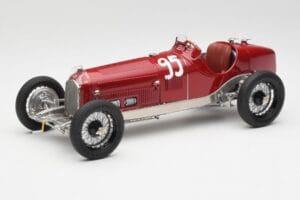
Alfa Romeo P3 #95 R. Caracciola Klausen Pass Hillclimb Winner 1932 CMC 1:18
Only 5 left
Price:
599.00 €
Last one
Used

Last one
Used

Collectors also bought
Browse all 1:18
Used

Last one
Used
Used
Last one
Used
Used

Ford Fiesta RS WRC Ford Abu Dhabi #3 M. Hirvonen / J. Lehtinen Winner Rally Australia 2011 Minichamps 1:18
Only 2 left
Price:
123.00 €
Last one
Used
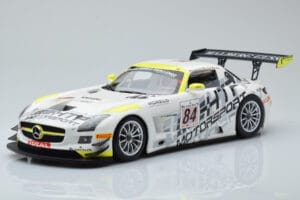
Mercedes SLS AMG GT3 HTP Motorsport Persson #84 B. Schneider / M. Buhk / M. Gotz Winners 24 Hours of Spa-Francorchamps 2013 Minichamps 1:18
Only 1 left
Price:
110.00 €
Last one
Used

Opel Commodore A Steinmetz #11 E. von Bayern / Johansson 24 Hours of Spa 1970 Minichamps 1:18
Only 1 left
Price:
109.00 €
Last one
Used
Back in stock
Porsche 911 934 Tebernum Racing Team #52 T. Schenken Nurburgring 300km 1976 Minichamps 1:18
Only 1 left
Price:
147.00 €
Recently viewed
{"id":1650462,"name":"Alfa Romeo Orlen C42 V. Bottas Testing Barcelona 2022 Minichamps 1:18","price":"151.00 €<\/span><\/bdi><\/span>","image":"https:\/\/models118.com\/wp-content\/uploads\/2026\/07\/alfa-romeo-orlen-c42-v-bottas-testing-barcelona-2022-minichamps-1-18-117229977-1-400x400.jpg","permalink":"https:\/\/models118.com\/alfa-romeo-orlen-c42-v-bottas-testing-barcelona-2022-minichamps-1-18-117229977\/","brand":"Alfa Romeo"}