Used
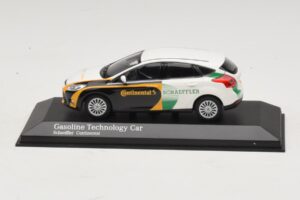
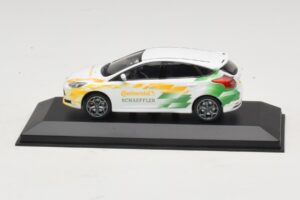
Ford Focus Gasoline Technology Car Continental Schaeffler Minichamps 1:43
Only 3 left
Price:
56.00 €
Concept cars exist to test ideas, and most never reach a showroom, which is exactly what makes their scale reproductions so distinctive. This range covers Audi, Buick, Chevrolet, and Mercedes concepts across 1:18 and 1:43, in diecast and resin.
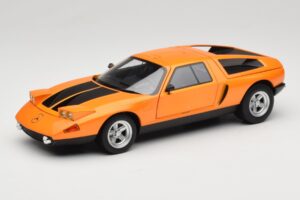
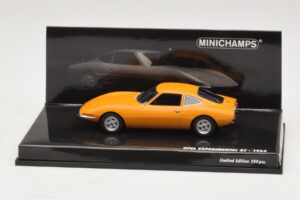
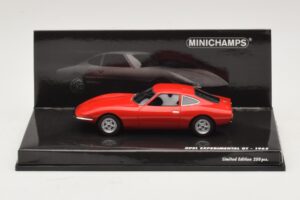



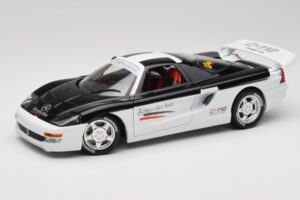
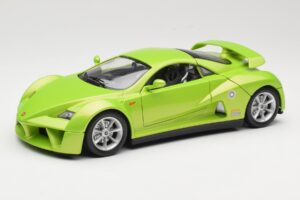
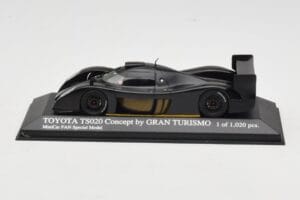

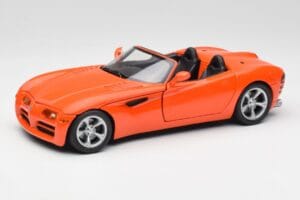

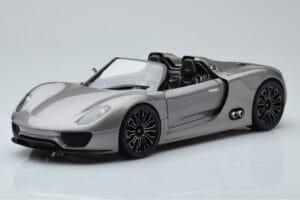

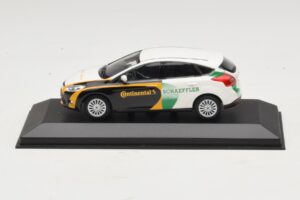
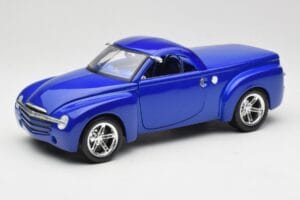
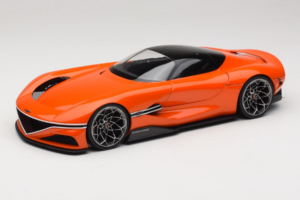

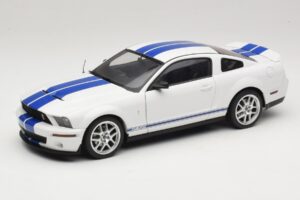
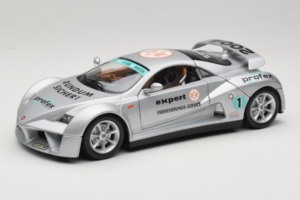
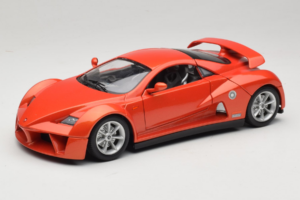



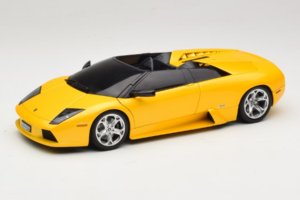


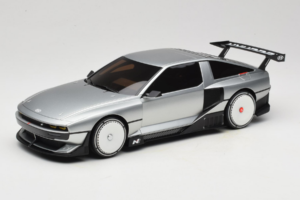
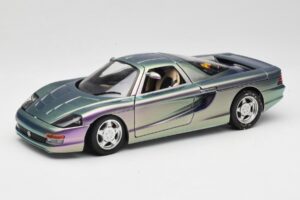


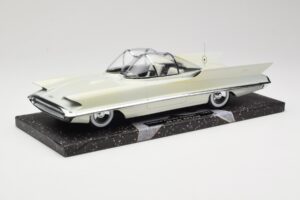
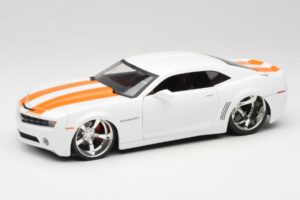
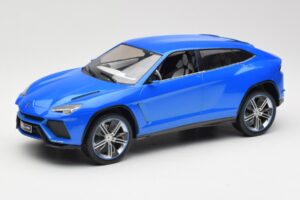
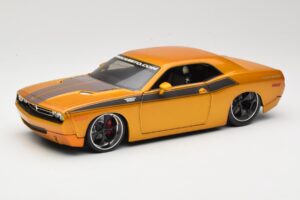
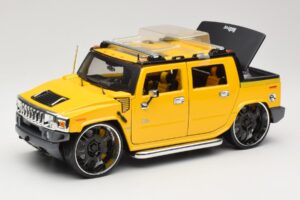
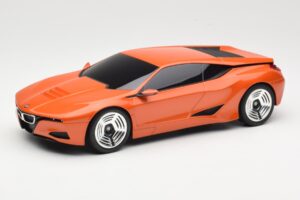
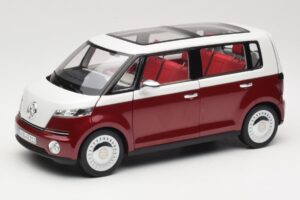
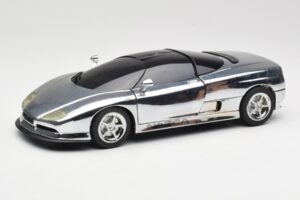

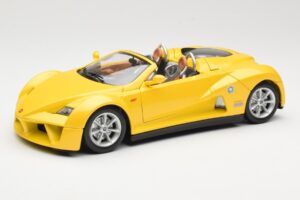
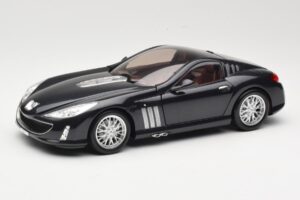

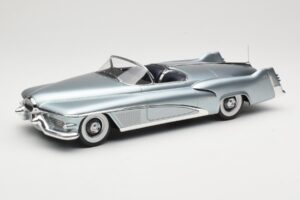


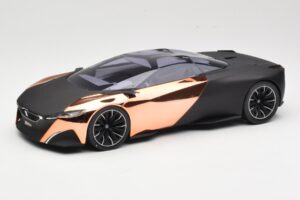
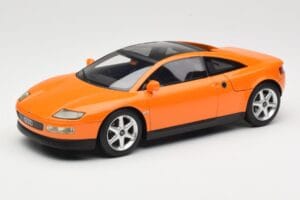
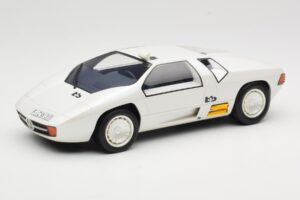
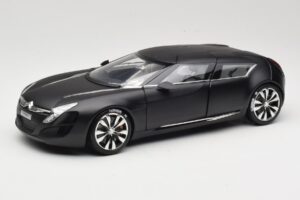
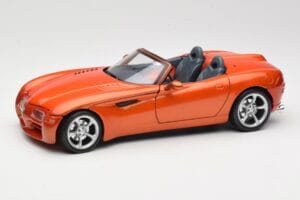

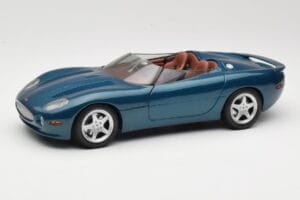


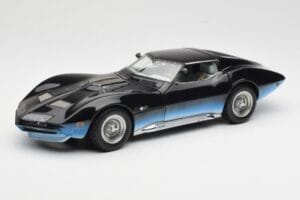
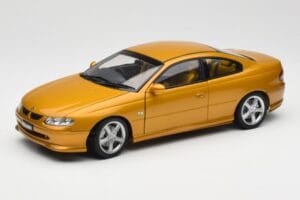


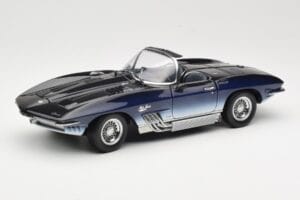

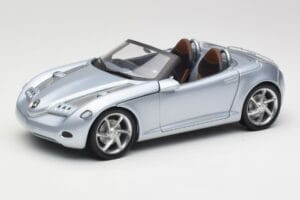


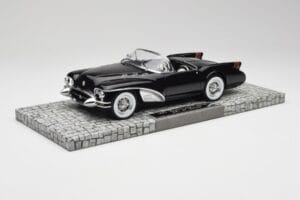
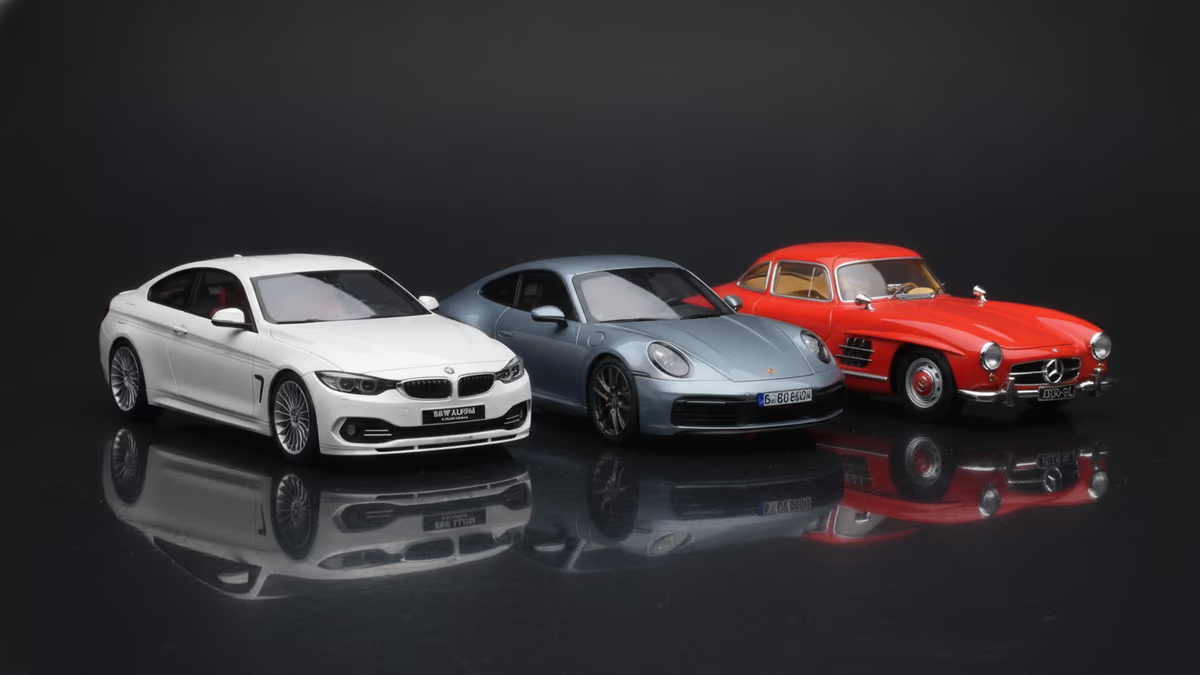
TL;DR: Concept car scale models document show cars and prototypes from Audi, Chevrolet, Mercedes, and Italdesign Giugiaro, built at 1:18 and 1:43 in diecast and resin. Coverage spans the 1950s through the 2020s, capturing design ideas that often never reached production.
A concept car is a manufacturer thinking out loud, and most of those thoughts never make it to a dealership. This range preserves those ideas in scale, from 1950s show cars through current design studies.
What makes concept cars collectible is exactly what makes them commercially risky for manufacturers: styling and engineering ideas pushed further than production constraints would ever allow. Audi, Chevrolet, and Mercedes concept subjects in this range often preview design language that eventually reached production years later in a toned-down form, giving collectors a chance to see a manufacturer's design direction before it was filtered through practical and regulatory compromise.
Concept cars have a particularly strong tradition with independent design houses, and Italdesign Giugiaro subjects in this range represent that coachbuilder side of the category, where design studios rather than in-house manufacturer teams shaped some of the era's most influential show cars. That distinction matters to collectors who follow design history as closely as brand history.
Maisto, Minichamps, Norev, Otto, and AUTOart all produce concept car subjects:
Era coverage spans the 1950s through the 2020s, giving collectors access to concept design across the full modern automotive history.
A concept car collection often works best paired with the production models a given concept eventually influenced, since displaying the two side by side shows exactly which design elements survived the journey to showroom and which were left behind. Collectors focused purely on unbuilt design history can also build a standalone concept collection without needing any production counterpart at all.
Concept cars let manufacturers test styling and engineering ideas publicly without the constraints of production cost, safety regulation, or manufacturing feasibility, which is exactly why so many push design further than any production model ever could.
Italdesign Giugiaro represents the independent coachbuilder tradition within concept design, where outside studios rather than in-house manufacturer teams shaped some of automotive history's most influential show cars.
Many concept subjects were one-off or extremely limited production show cars, and resin construction suits the smaller production runs and sharper surface precision that reproducing a unique, hand-built original demands.
Pairing a concept with the production model it influenced is a popular approach, since it visually demonstrates which design elements survived the transition from show car to showroom and which were left behind entirely.