Last one
New arrival
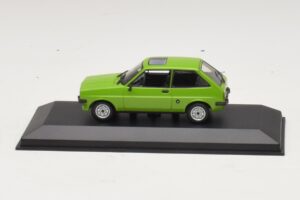
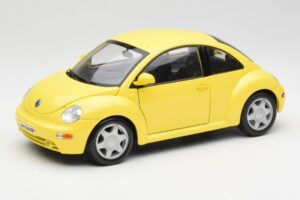
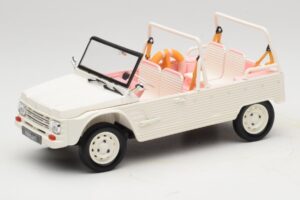
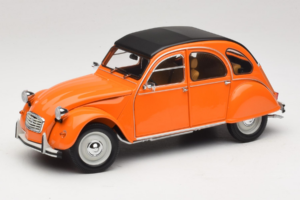
Retro City gathers the small, charming, culturally distinct city cars, Citroen’s 2CV, Fiat’s 500, the Volkswagen Beetle, and even the Trabant, each a national icon in its own right. Diecast and resin releases in 1:18 and 1:43 span the 1960s through the 1990s.

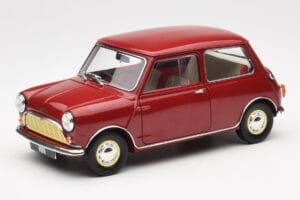
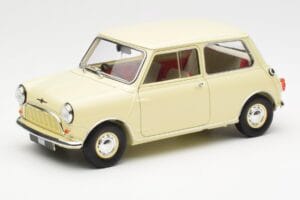
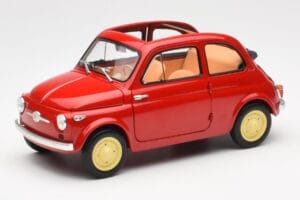




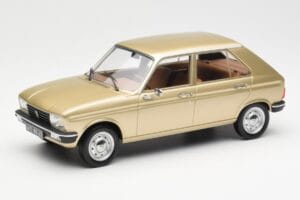

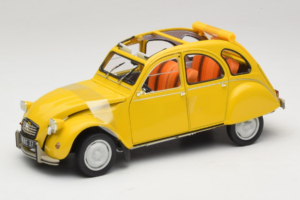
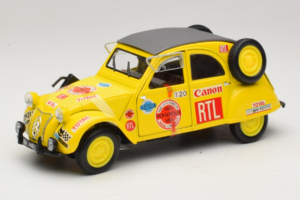

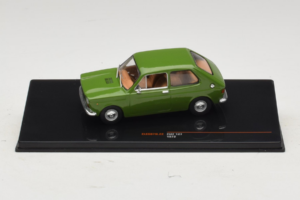
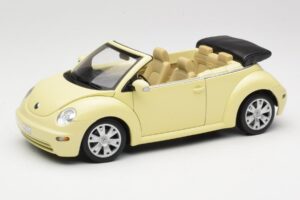
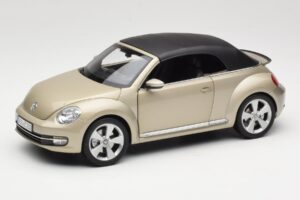
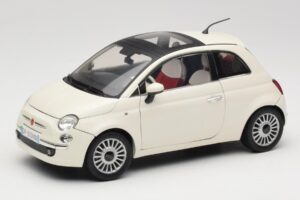





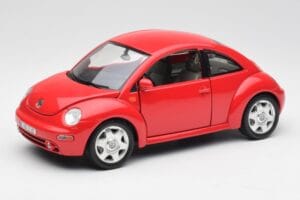
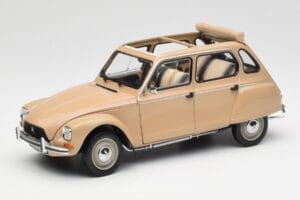


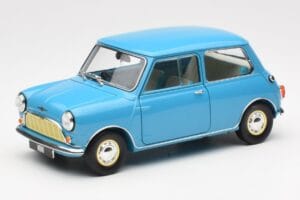


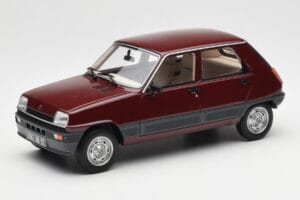
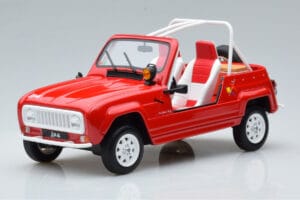


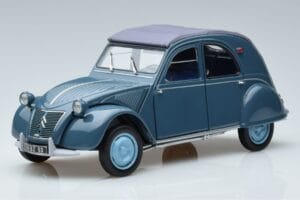
TL;DR: Retro City scale models cover classic small city cars from Citroen, Fiat, Volkswagen, Morris, Renault, Peugeot, and Trabant, in 1:18 and 1:43 diecast and resin, spanning the 1960s through the 1990s. Norev and Kyosho anchor coverage, with Otto adding resin depth.
Retro City brings together cars whose fame rests on charm and cultural weight rather than performance, the Citroen 2CV's utilitarian simplicity, the Fiat 500's postwar Italian mobility, the Volkswagen Beetle's global reach, and the Trabant's peculiar status as a symbol of a divided Europe. Each earned its place in national identity long before it earned a spot on a collector's shelf.
Norev covers this category with genuine French-marque depth, its Citroen and Renault subjects benefiting from a manufacturer closely tied to those brands. Kyosho and Minichamps add broader coverage across Volkswagen and Fiat subjects at mid-tier pricing. Otto works in resin, chasing the rounded, simple surfacing that these small cars actually reward, since their charm often lies in proportion rather than complex detail.
A retro city car's appeal comes from clean, uncomplicated shapes, which paradoxically makes proportion errors more visible than on a heavily detailed sports car. A 2CV or Beetle model that gets the roofline curve or headlight placement even slightly wrong reads as obviously off in a way that a busier design might disguise.
This category rewards a country-by-country approach, France's 2CV, Italy's 500, Germany's Beetle, and the former East Germany's Trabant together tell a story of postwar European mobility that no single marque collection can match. A shelf built this way carries genuine cultural narrative alongside the usual collecting appeal.
Retro City cars share cultural significance as national mobility icons rather than a common manufacturer or performance trait. The 2CV, Beetle, Fiat 500, and Trabant each defined everyday transport in their home country during the mid-20th century.
Simple, rounded shapes make proportion errors far more visible than on detailed sports cars. A slightly wrong roofline curve or headlight placement stands out clearly on a design this clean.
Norev offers particular depth on Citroen and Renault subjects given its close ties to French marques, while Otto's resin work captures the rounded surfacing these designs depend on for accuracy.
Yes, pairing France's 2CV, Italy's Fiat 500, Germany's Beetle, and the Trabant tells a broader story of postwar European mobility than a single-marque collection could achieve.